


 Share
Share

Sugar is a bit of a magician. Depending on how you heat it and what you invite to the pan, it transforms from a simple crystalline sweetener into a complex, gooey masterpiece. In the vibrant world of Indian confectionery, we are no strangers to the magic of reduced milk and toasted sugar. From the rich, grainy texture of Kalakand to the deep, caramelised notes of a slow-cooked Gajar ka Halwa, our palates are well-trained to appreciate the nuances of browning. However, when it comes to Western pastry basics, the lines between caramel, butterscotch, and dulce de leche often get blurred. While they all share a similar amber hue and a comforting, toasted flavour profile, they are distinct entities with unique chemical compositions and culinary roles. Understanding these differences is the secret to elevating your home baking from a simple hobby to a precise craft.
Defining The Differences
The primary difference lies in the base ingredients and the specific type of browning that occurs during the cooking process.
• Caramel: The purest of the trio, caramel starts with granulated white sugar. It is heated until it melts and breaks down. At this stage, it is just sugar and water (or just sugar in the dry method). To make it a sauce, cream and butter are added only after the sugar has reached its target temperature. Its flavour is complex, bittersweet, and sharp.
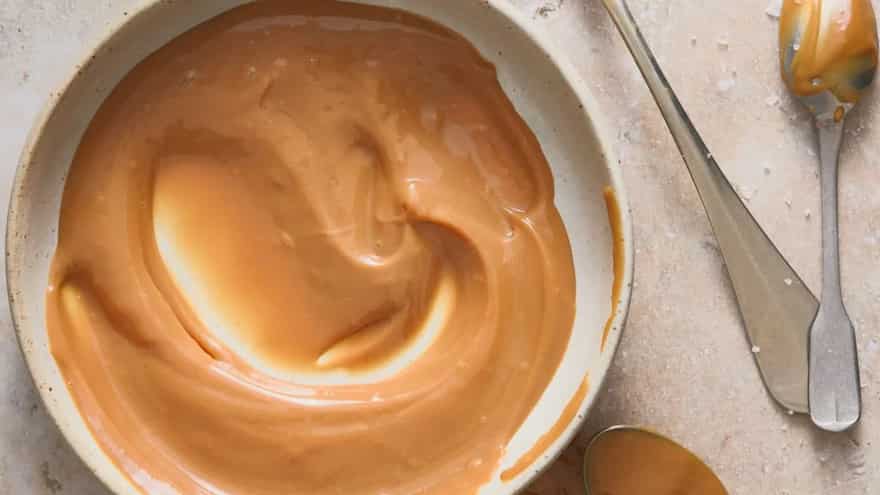
Image credit: Pexels
• Butterscotch: Unlike caramel, butterscotch uses brown sugar as its foundation. The presence of molasses in the brown sugar gives it a deeper, more earthy sweetness from the very beginning. It is cooked with butter from the start, resulting in a mellow, toasted flavour that lacks the bitter edge of a dark caramel.
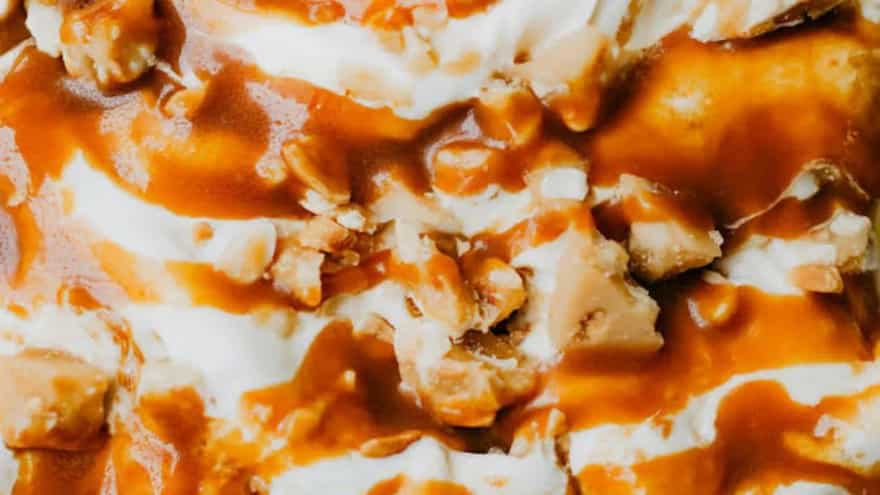
Image credit: Pexels
• Dulce de Leche: This is a milk-based confection. While the others are sugar-forward, this is made by slowly heating sweetened milk. The sugar in the milk browns over several hours, creating a thick, spreadable consistency. It tastes like concentrated milk or creamy toffee and has a much milder acidity than the other two.
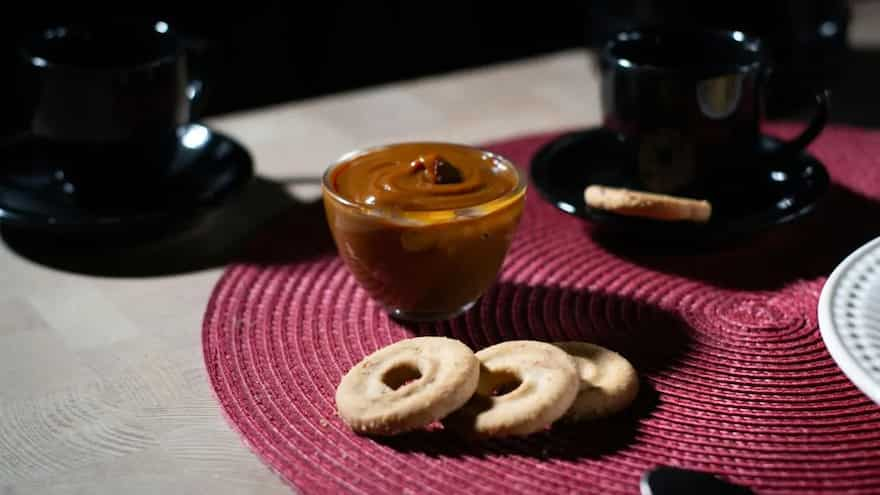
Image credit: Pexels
Caramel: The Art Of Controlled Burning
Caramel is the purest expression of sugar. When you heat white granulated sugar to about 170°C, the molecules break down and reform into new compounds that create a complex, bittersweet flavour. In an Indian kitchen, this is similar to the process used to give certain gravies or sweets a deep colour, though in Western baking, we often stop just before the sugar turns unpleasantly bitter.
How to Make Caramel
There are two main methods: dry and wet.
1. The Dry Method: You place sugar in a heavy-bottomed pan and heat it until it melts. This requires constant vigilance. As the sugar liquefies, it will turn from pale gold to a deep amber.
2. The Wet Method: You dissolve the sugar in a bit of water first. This is generally safer for beginners as it cooks more evenly, though it takes longer because the water must evaporate before the sugar can begin to caramelise.
Once the sugar reaches your desired colour, you can stop the cooking process by adding room-temperature butter or warm double cream. This creates a smooth sauce. If you leave the sugar to harden on its own, you get a brittle or a clear caramel shard.
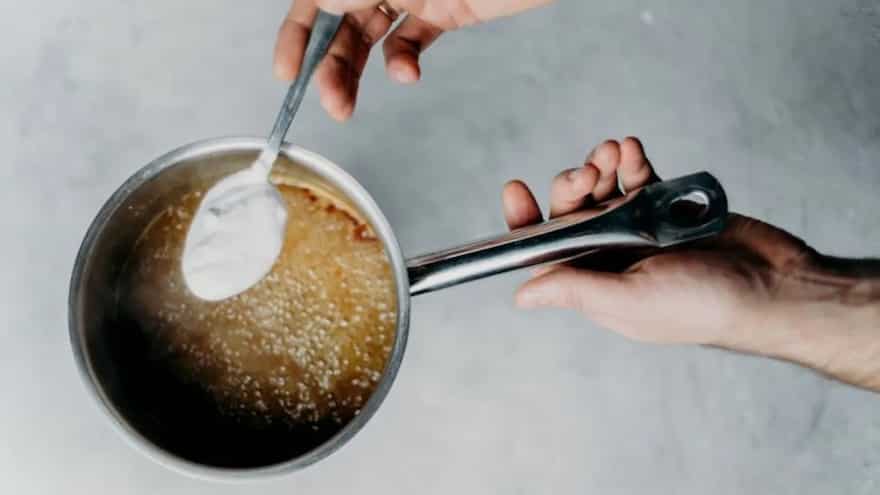
Image credit: Pexels
How to Use Caramel
Caramel is incredibly versatile. A thin caramel sauce is perfect for drizzling over a classic vanilla sponge or a bowl of Shahi Tukda for a fusion twist. If cooked to a higher temperature, it becomes the base for flans and caramel custards.
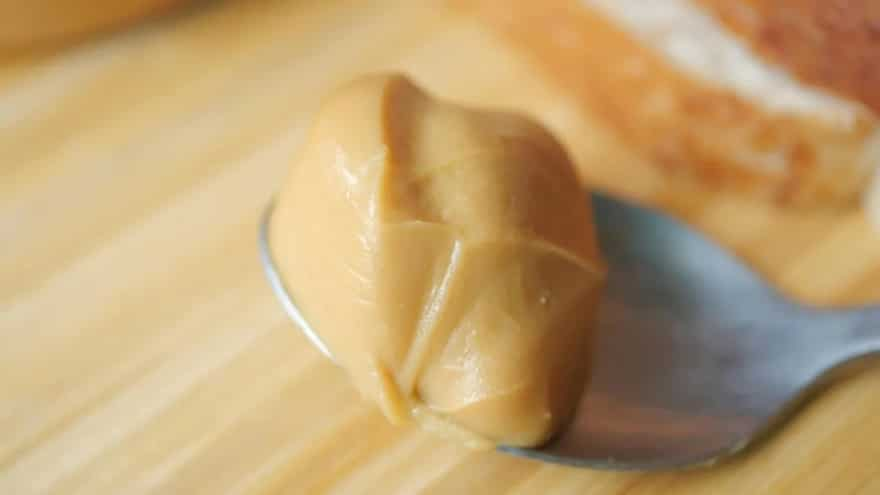
Image credit: Pexels
Butterscotch: The Molasses Marvel
While many people associate butterscotch with the hard yellow candies found in local kirana stores, authentic butterscotch is a rich, buttery delight. The defining factor here is brown sugar. Because brown sugar contains molasses, it introduces a depth of flavour that white sugar simply cannot match.
How to Make Butterscotch
Unlike caramel, where you usually melt the sugar alone first, butterscotch starts with butter and brown sugar melted together.
1. Melt a generous amount of unsalted butter in a saucepan.
2. Add dark or light brown sugar. In India, if you cannot find dark brown sugar, a high-quality organic jaggery powder can sometimes act as a fascinating local substitute, though it will change the flavour profile slightly.
3. Cook the mixture until the sugar has dissolved and started to bubble.
4. Add double cream and a pinch of sea salt. The salt is crucial as it cuts through the heavy sweetness of the molasses.
The result is a sauce that is less bitter than caramel and much more rounded and mellow.
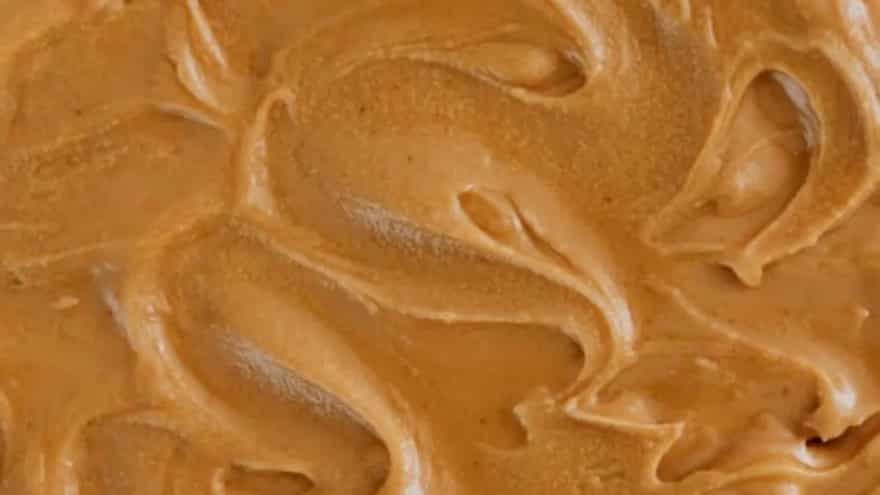
Image credit: Pexels
How to Use Butterscotch
Butterscotch is the soulmate of many tea-time treats. It is the traditional topping for a sticky date pudding. In India, it works wonderfully as a filling for fusion cupcakes or even as a swirl in homemade malai kulfi. It also pairs exceptionally well with bananas and nuts.
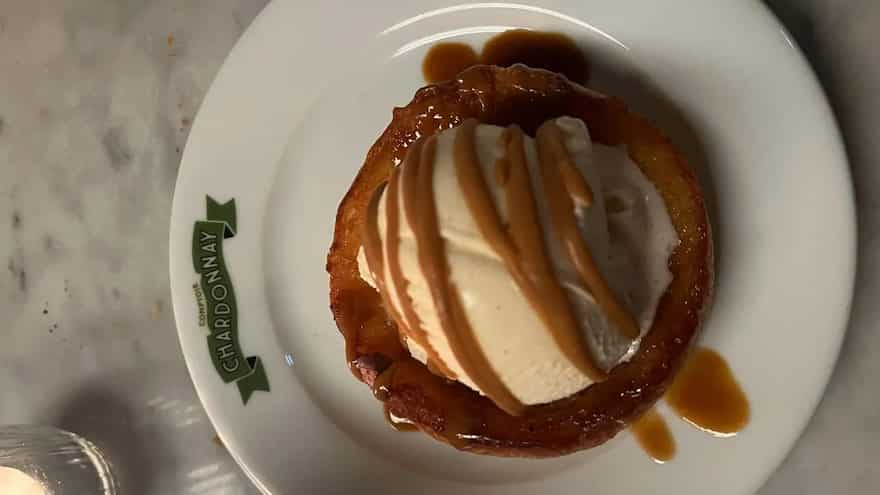
Image credit: Pexels
Dulce De Leche: The Confectioner’s Milk Jam
Dulce de leche, which literally translates to candy of milk, hails from Latin America but feels strangely familiar to the Indian palate. It tastes remarkably like a very smooth, pourable version of Rabri or the inside of a Peda.
The magic here is not just caramelisation, but the Maillard reaction. This is a chemical reaction between amino acids and reducing sugars that gives browned food its distinctive flavour. Because dulce de leche is cooked slowly at a lower temperature than caramel, the milk proteins brown without burning.
How to Make Dulce de Leche
The most popular modern method is the shortcut involving sweetened condensed milk.
1. Take a tin of sweetened condensed milk (ensure the label is removed).
2. Submerge it completely in a large pot of boiling water.
3. Simmer for about three hours, making sure the tin is always covered with water to prevent it from bursting.
4. Let it cool completely before opening.
Inside, the pale milk will have transformed into a thick, bronze-coloured paste that is intensely creamy. For those who prefer the traditional way, you can simmer whole milk and sugar for hours until it reduces to the same consistency, though this requires constant stirring to prevent scorching.
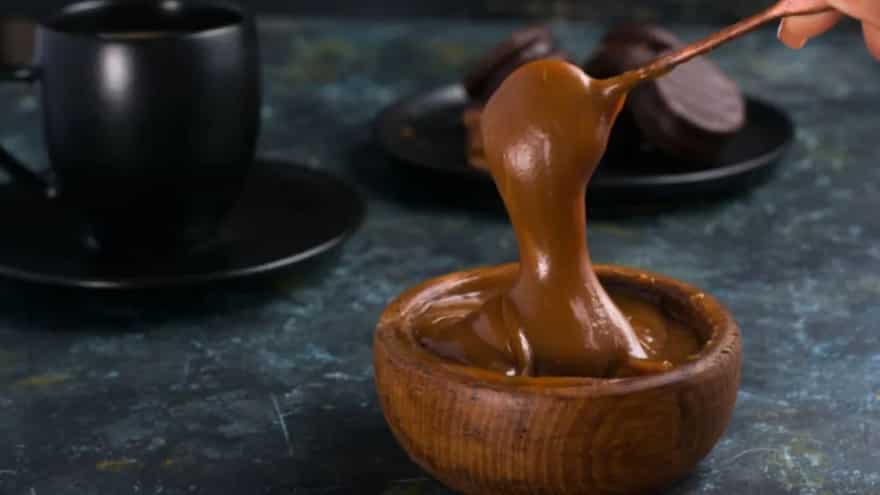
Image credit: Adobe Stock
How to Use Dulce de Leche
This is the thickest of the three, making it an excellent spread. Use it between layers of a cake, as a filling for cookies, or even spread it on a warm paratha for a decadent breakfast. It is also the star ingredient in Banoffee Pie.




