


 Share
Share

Stone fruits - or fruit that essentially have flesh surrounding a pit - are at their freshest and most delicious during the period between June and September i.e. the same time as the Indian monsoon showers. Available seasonally, most stone fruit such as cherries, peaches and plums are delicate and are consumed across a variety of cooking applications, aside from being relished in their original forms. From salads to bakes, stone fruits make a prominent appearance even in preserves, jams and chutneys. However, the exquisite produce isn’t always ripe with flavour or at its peak when purchased and looking for certain parameters can be a great way to identify how to pick the best ones.
Peaches
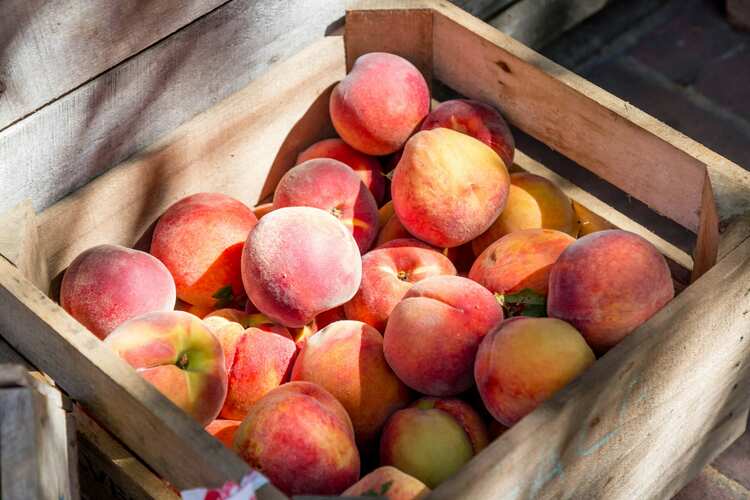
Image Credits: Unsplash
With ripe peaches, fragrance becomes a telling sign to know if they are ready or not. The aroma around the stem should be sweet, floral and strong, for one. This, followed by their weight - look for heavy but slightly soft fruit which yields when pressed gently; similar to an avocado. The deeper the golden-yellow colour of the fruit, the more likely it is to be ready for use. Unlike flat or pointy ends of unripe peaches, the ripened fruit is plump and round, with a slight crease on the side.
Plums
From deep purple to ruby red and even yellow, plums arrive in a variety of different colour tones. However, ripe plums have a deep coloured, vibrant outer skin with no green patches in sight. When squeezed around the stem area, the flesh should yield slightly without being overtly mushy, which might indicate an overripe fruit. Much like blueberries, fresh, ripe plums have a powdery white coating known as the ‘bloom’ - which becomes the natural protective layer for the fruit and an indicator that it hasn’t been meddled with too much.
Also Read:
Cherries
While cherries come in a few different varieties when in season, sweet and tart cherries have similar characteristics when they are ready for consumption. Deep coloured fruit which have a shiny exterior rather than a matte finish is what one should look for when deciding to make a purchase. Think dark red, bright yellow, blush fruit which are firm but not hard to touch. Another great way of determining their freshness is to look for green coloured stems instead of brown or blackened ones, which might indicate overripeness or spoilage.
Nectarines
The fuzz-free skin of nectarines is one of the telling differentiations between peaches, along with their smaller, firmer size. Their slightly glossy surface should make way for smooth outer skin, along with a fruity fragrance and no bruises or wrinkles. Ripe nectarines appear distinct due to their orange-blush hue and soft flesh around the stem, which takes a few seconds to bounce back to its original form, when pressed. Avoid fruit with green patches or spots which might indicate a premature harvest or unripe produce.
Apricot
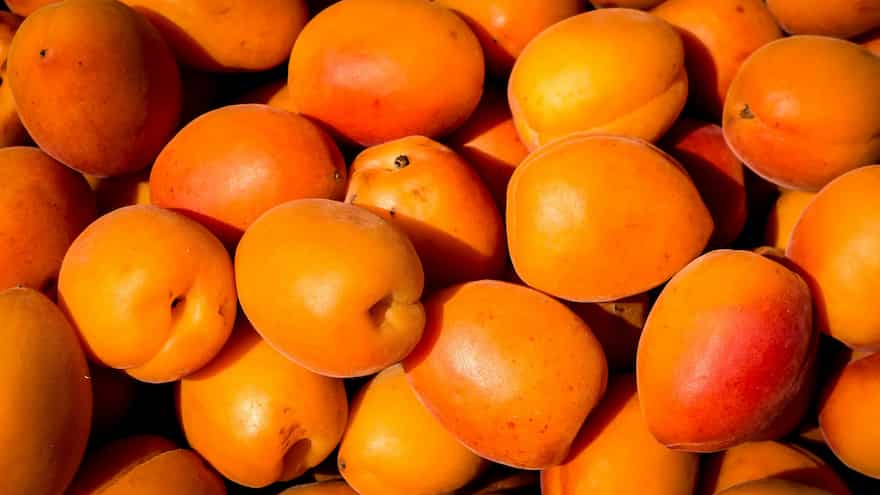
Image Credits: Unsplash
Ripe apricots are a fairly easy buy when identifying their dark orange or red skin colours - which mean that they are full of sweet-tart flavours. One should be able to smell their floral aroma before it is held close to the nose; along with checking for any blemishes, wrinkles or dark spots that signify spoiled fruit. Fresh, good quality apricots have a natural specking which are a good sign to know that they are organically cultivated, with little to no chemical interference, along with their slightly soft flesh that isn’t mushy to the touch.




