


 Share
Share

The word organic has become one of the most appealing labels in grocery shops. From fruits and vegetables to grains, pulses, spices, and even packaged foods, everything seems to have turned organic. But simply labelling a product "organic" does not make it authentic. This is precisely why the Food Safety and Standards Authority of India (FSSAI) has frequently advised consumers to examine beyond what the packaging claims.
FSSAI is the statutory body accountable for handling food safety standards across India. Along with ensuring food quality, it also lays out clear guidance on products consumers should look for when buying. Genuine organic food must follow recognised certification systems and include specific details that allow consumers to verify its authenticity. Reading these labels takes only a few seconds, but can help you in distinguishing true certified products. Understanding these labels is important as the demand for organic food is rising continuously, and premium prices make the category vulnerable to any false claims.
Jaivik Bharat Logo: India's Common Organic Identity
The Jaivik Bharat logo is the simplest certification mark that you can recognise because it was introduced by FSSAI as a single identity for the certified organic foods that are sold in India. Instead of asking the shoppers to comprehend multiple certification procedures instantly, this logo acts as a quick visual confirmation that the product falls under India's food safety regulations, which are laid down for organic products.
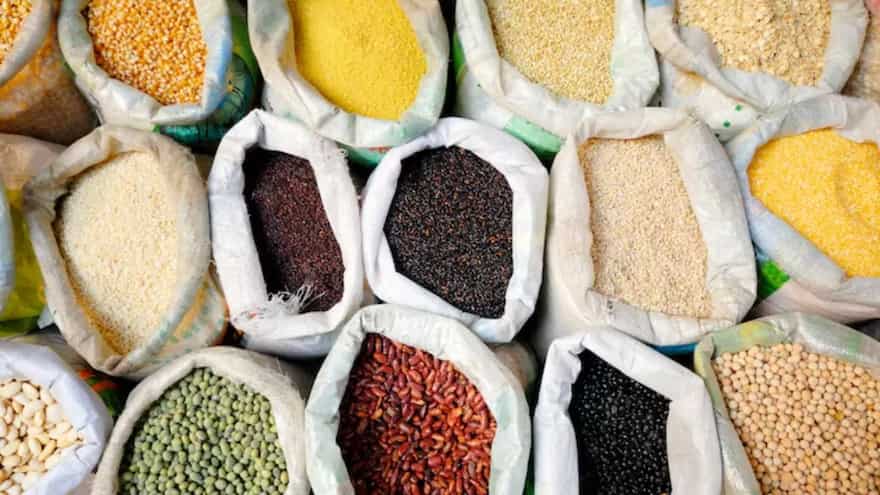
The Jaivik Bharat logo can be found on packaged foods, varying from pulses and spices to grains and even processed products that claim to be organic. If a product is labelled as organic but does not have the Jaivik Bharat logo on the packaging, you should think twice before buying.
(Image credit: Freepik)
India Organic (NPOP): Certified Through National Standards
The India Organic logo symbolises products approved under the National Programme for Organic Production (NPOP), issued by the Government of India. This certificate follows the detailed national standards surrounding cultivation, processing, warehousing, packaging, and even transportation. Independent accredited certification agencies regularly review farms and the production units before granting approval.
The NPOP certification is also acknowledged globally, making it one of the most specified organic certificate programs. For consumers, looking for the India Organic logo gives the belief that the product has gone through a detailed verification process rather than depending on the claims alone.
PGS-India Organic: Community-Based Organic Certification
The PGS-India Organic logo is for the Participatory Guarantee System, a certificate programme especially designed for small and local farmers. Unlike the third-party retail certificate, PGS works through community participation, where farmers collectively confirm farming practices while pursuing the standards that are laid down by the Government.
The system enables transparency, local responsibility, and reasonable certification for small farmers. Many fresh fruits, vegetables, grains, and local produce now have the PGS-India Organic logo. If you see this mark on the package, you can be assured that the product has been approved through an officially identified participatory method.
Read The Entire Label, Not Just The Word 'Organic'
FSSAI advises consumers not to stop examining even after spotting the word "organic" on the package. Genuine organic products usually have the certification body, licence details, certification number, and even the manufacturer's information printed on the label. Marketing terms such as "natural", "purified", "chemical-free", or "farm-fresh" may sound promising, but are not identical to certified organic food.
Sparing a minute to read the full label can help customers differentiate genuine certification and reduce the risk of purchasing uncertified products.
(Image credit: Freepik)
Buy Organic Foods From Reliable Sellers
Even appropriately certified products should ideally be bought from trusted vendors, authorised supermarkets, specified online platforms, or well-known organic stores. Reliable sellers typically source products straight from certified suppliers and keep better documentation throughout the supply chain. If purchasing directly from farmers or local markets, you, as a consumer, can also ask about certification or farming practices.




