


 Share
Share

Mid-April is the time for the arrival of the vibrant Thingyan Festival, a five-day celebration that celebrates the Burmese New Year with water, festivity, and shared meals. In 2026, this spirit extends into May as Thingyan Festival in Burma Burma, India, brings the experience to diners across the country from May 1 to 31, 2026. You don’t just walk into a meal here—it’s the place where food, culture, and community come together as experience. Traditionally, Thingyan is about cleansing the past and welcoming new beginnings, often symbolised by water rituals, but equally by tables overflowing with thoughtfully prepared dishes.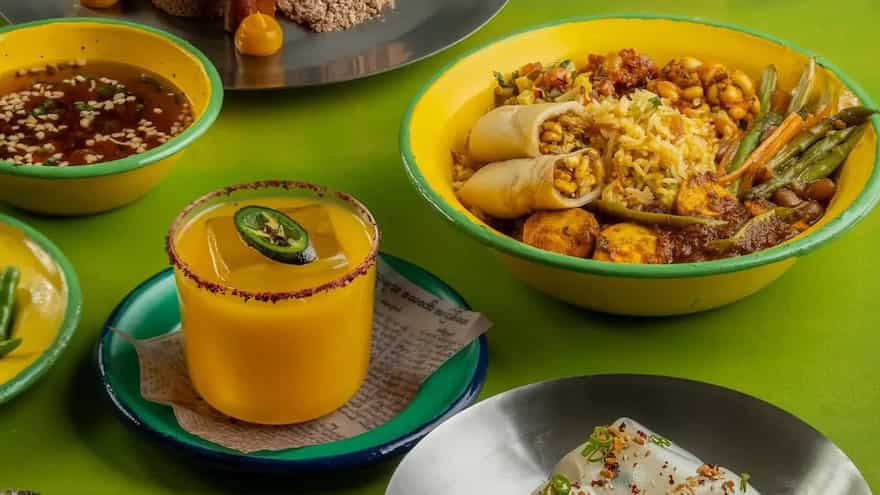
Image Courtesy: Burma Burma India
At Burma Burma, the vibe mirrors a sense of life with flavours, textures, and conversations. Starting from generous rice bowls, street-style small plates, to mind-boggling seasonal drinks, and nostalgic desserts, you are invited to explore Burmese cuisine in its celebratory form. The food leans into balance—tangy, savoury, mildly spiced, and texturally layered. From comforting curries to crisp fritters and cooling beverages, the dishes represent Burmese home-style cooking. Besides the menu, this is an experience designed to recreate the feeling of gathering, sharing, and starting anew.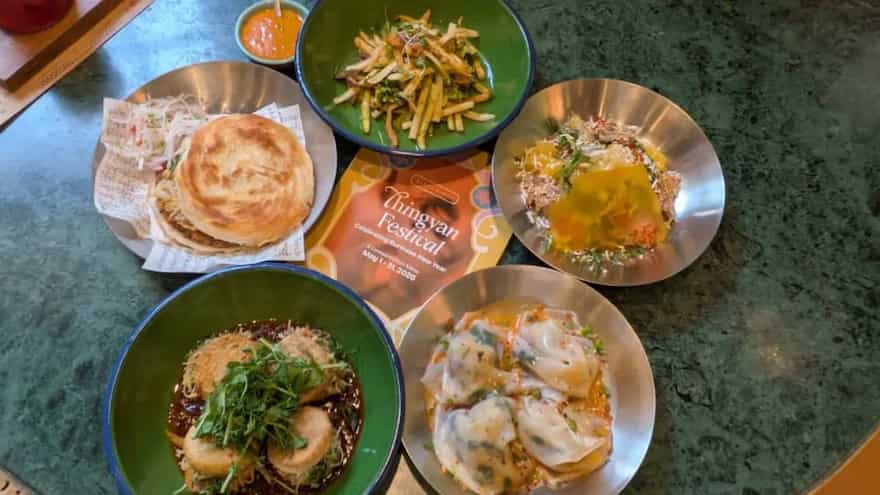
Image Courtesy: Saborni Saha
While cherishing the memory of the festival, Ankit, one of the owners, mentioned,
“During Thingyan, the streets in Burma completely transform with the smell of fritters frying, vendors with fresh and preserved fruits laid out in rows and people splashing water. My mother once told me, "You couldn't walk ten steps without someone handing you something to eat or drink. The whole city was one big table." That image stuck with me. It's actually the feeling we try to recreate with our in-restaurant Thingyan experience, such as the fruit leather vendor, the popsicle station - A meal that spills beyond the plate.”
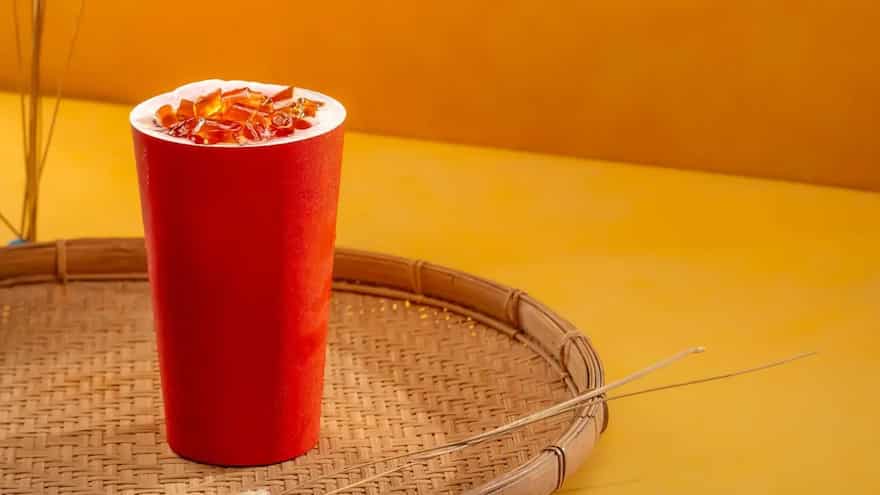
Image Courtesy: Burma Burma India
Ankit also shared some of his most vivid childhood memories of celebrating Thingyan together, and how those moments have shaped your connection to Burmese culture. He mentioned, “The prep was always more fascinating than the meal itself. My mother would start pickling roselle leaves and fruits ahead of time, and that tangy smell meant Thingyan was coming. What those memories gave me was an understanding that Burmese food is not complicated for the sake of it; it's layered because every element has a role.”
He further said, “While growing up, there was also a special pantry full of Burmese ingredients, and you knew a celebration was coming when my mother reached for that shelf. This is why we try to do something special every year for Thingyan at Burma Burma. It's the anticipation, the excitement, and the feeling of sharing something truly special with loved ones.
Thingyan Festival Feast At Burma Burma, India: Celebrating Burmese New Year Through Food Traditions
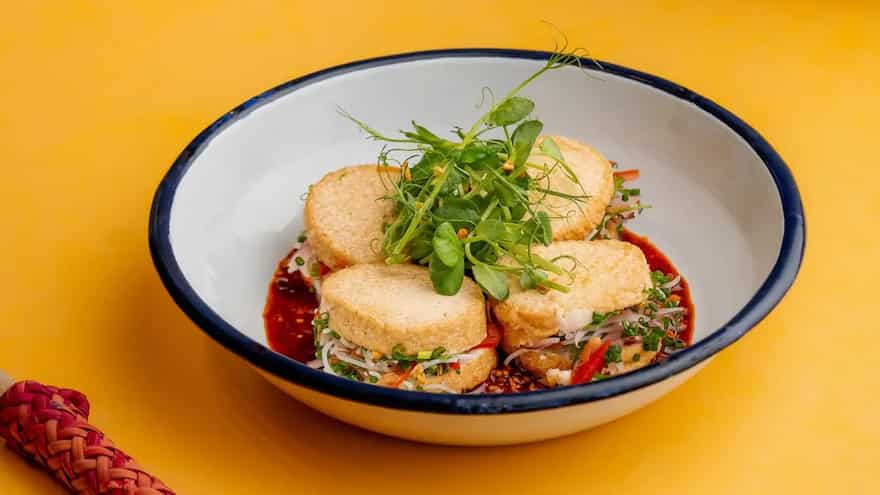
Image Courtesy: Burma Burma India
Burma Burma India menu is built around the idea of abundance and shared indulgence, much like the festival itself. Food during Thingyan is not meant to be consumed in isolation—it is layered, passed around, and experienced collectively.
The meal's soul, rice bowls, show how Burmese cuisine balances flavor and texture. A lemongrass, ginger, and shallot-infused jasmine rice base makes the Mohinga Rice Bowl fragrant. Following contrast and subtle sweetness, red pumpkin and peanut curry are served. Stir-frying mustard greens, mushrooms, and radish in soy and garlic adds earthiness.
On the other hand, the Hawker's Rice Bowl uses bold street-style flavors, including rice with chilli oil and tamarind. Spicy tofu curry, black-eyed beans stir-fried with chilli and tomato, and fried onions add crispiness and authentic flavours.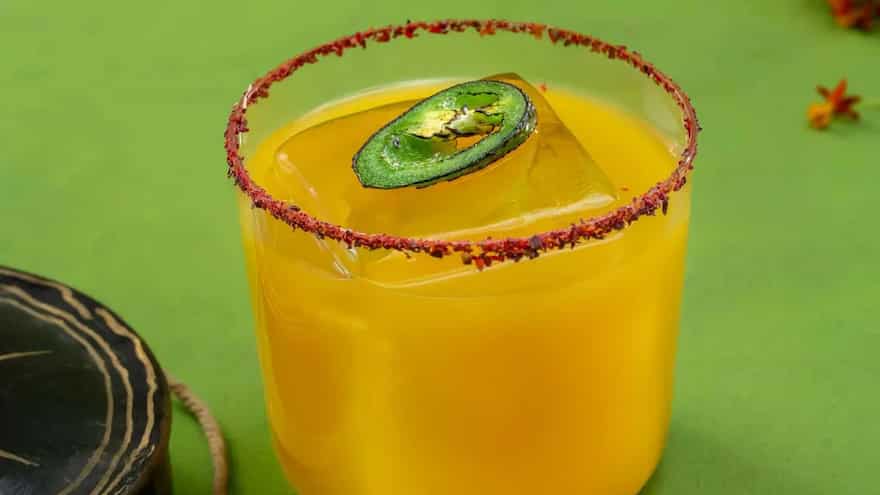
Image Courtesy: Burma Burma India
The Rustic Rice Bowl takes a different direction, focusing on smoky, slow-cooked notes reminiscent of country cooking. The split peas and fake meat curry make it rich. Broccoli with ginger and scallion sauce, and sautéed broad beans add freshness to the heavy dish, and oyster mushroom shells and chilli chutney bring in a certain taste of umami and heat.
The Pickled Roselle Bowl tastes fruity and refreshing. When fermented roselle leaves are added to the rice, they give the dish a tangy note that cuts through its richness. Tofu marinated in soy sauce and garlic is stir-fried with bok choy and garlic sauce to make it taste better.
Besides the rice bowls, the smaller plates have dishes like the Street-style Rice Crêpes, which are soft and come with a peanut-coconut sauce that tastes nutty. Palata Sando has a flaky, layered texture, a radish salad, and bold fake meat inside.
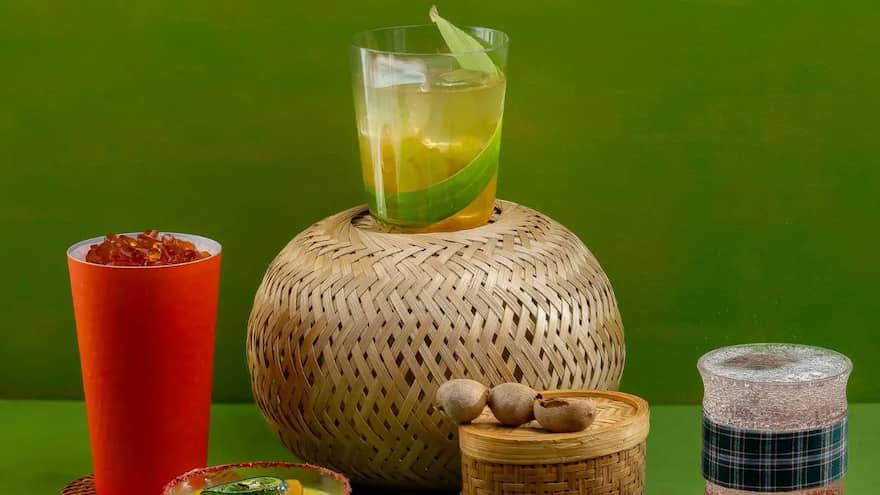
The drinks are just as important to the experience as the food. The Pandan Tamarind Fizz has just the right amount of sourness and sweetness, and the Hibiscus Lemonade has floral notes mixed with creamy and citrus undertones. Mango Picante scores the highest for its savoury-spicy flavour, with a hint of ripe mango, chilli, and coriander. The Ice Plum Soda, on the other hand, is a mix of sweet, sour, and fizzy refreshment that you have hardly experienced before. 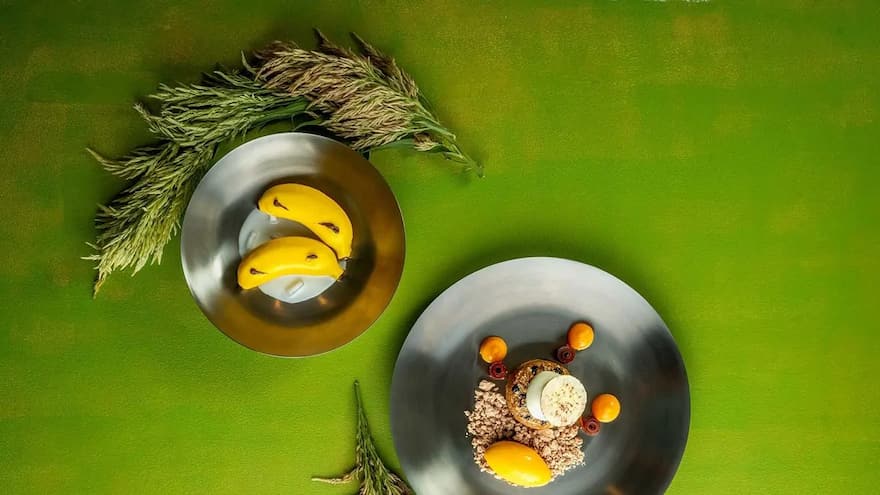
Image Courtesy: Burma Burma India
Desserts complete the journey by revisiting traditional Burmese sweets in a contemporary format. Banana Bliss offers a rich yet light combination of banana mousse and caramel, while Mango Bein Mont reinterprets a classic jaggery-based dessert with tropical fruit elements. Even the final touch, a paan-infused jelly, adds a familiar yet unexpected finish.
In conversation with Ankit V. Gupta, Slurrp got the insights into the Thingyan Festival celebration by Burma Burma, and also the thoughts behind the entire celebration.
Slurrp: How do you personally experience the spirit of the Thingyan Festival, and what does the Burmese New Year mean to you as a family?
Ankit: For us, Thingyan was never just a date on the calendar. It was a shift in energy at home where my mother would start pulling out recipes she rarely made at other times of the year, and the kitchen would take on a completely different character. My mother puts it simply: "In Burma, this is the time when you clean your house and feed everyone you know." That about sums it up. The festival is generous by nature, and that spirit is something we have always tried to carry into Burma Burma during this time of year, not just with the limited-edition menu and experiences but also the decor and energy.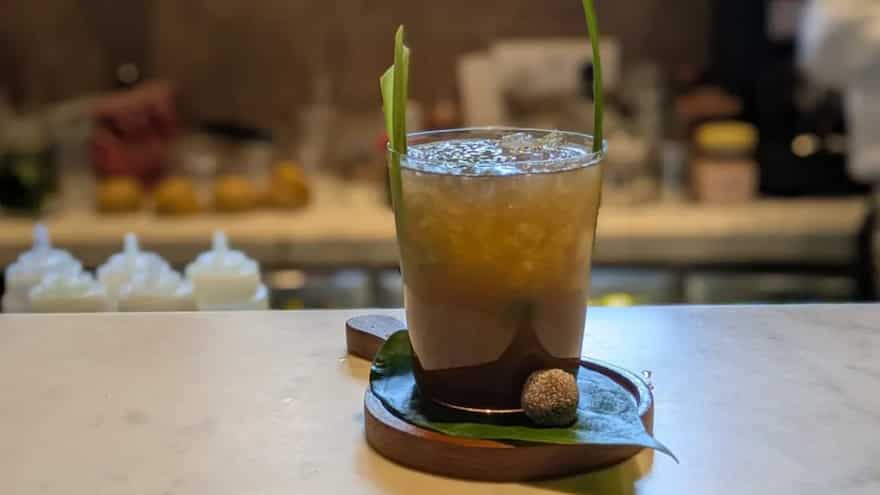
Slurrp: What are the most important rituals you follow during this time, and how did you learn or inherit these traditions from your family?
Ankit: I grew up seeing how my mother set a Thingyan table with food meant to be shared. Nothing was plated individually. Everything was placed in the centre and passed around. That itself is a ritual, even if it doesn't look like one. She learned it from her family, who lived in Burma. The meal is structured with rice at the centre, curries alongside, munching on crispy snacks between bites and something sweet always has to be there. So it’s not a ritual I was taught, but I learned it through watching and experiencing the love shared around a table.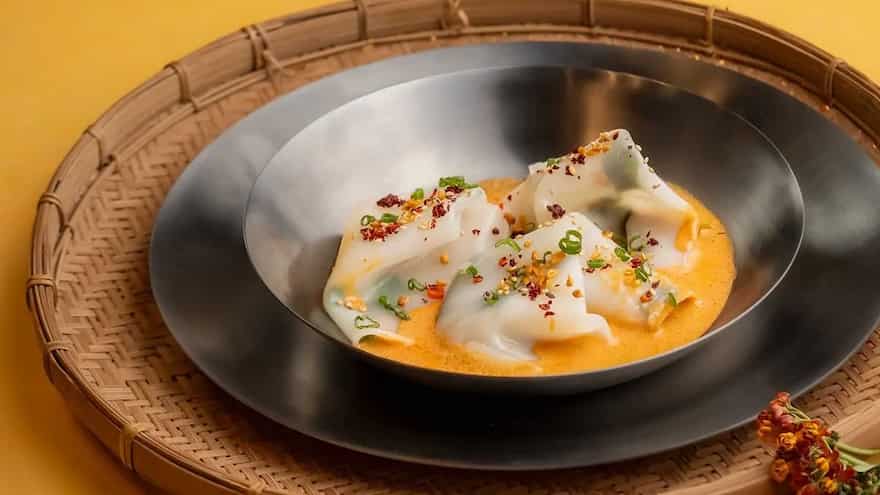
Slurrp: What are the special dishes you prepare or enjoy during the festival, and what makes those foods significant for the occasion?
Ankit: Any festive table is incomplete without my mother's Khowsuey. Every family makes it their own way and thinks it’s the best way to make it, but let me tell you…my mother has the best version. Beyond that, the Thingyan table at home always had a specific set of things. Mont Lone Yay Baw or rice flour dumplings filled with palm jaggery. It is a tradition to fill one of them with a chilli, and then it's a game of waiting to see who eats it. There are always fritters. Onion or split pea fritters that honestly don’t last till we start eating, they’re always the first to be finished. We also cannot have a celebration without something sweet, so there’s always a big batch of jellies and a simple semolina cake that we make and share with our neighbours and friends.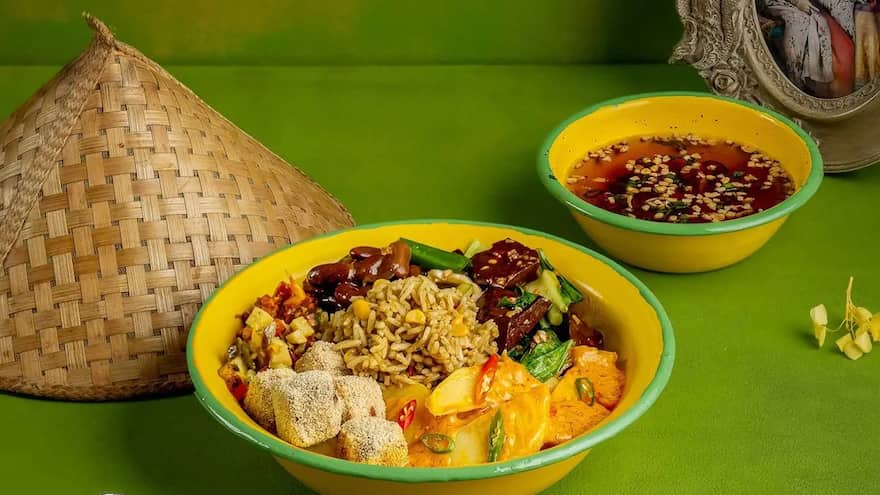
So, how do they reinterpret or recreate these New Year traditions today through your restaurant and personal celebrations, especially while being away from Myanmar?
Ankit mentioned, “What we try to recreate at Burma Burma is not just the food but the occasion around it. Thingyan is fundamentally about sharing meals with your loved ones. The Burmese Lunch House during festival season is the closest thing to it - generous and chaotic in the best way. That energy is what we brief our teams on every year before Thingyan. The in-restaurant touches matter as much as the menu. The fruit leather vendor, the popsicle station with the fortune spin wheel, the thanaka application and the Burmese hand wash experience all nod to the tradition of communal feasting.”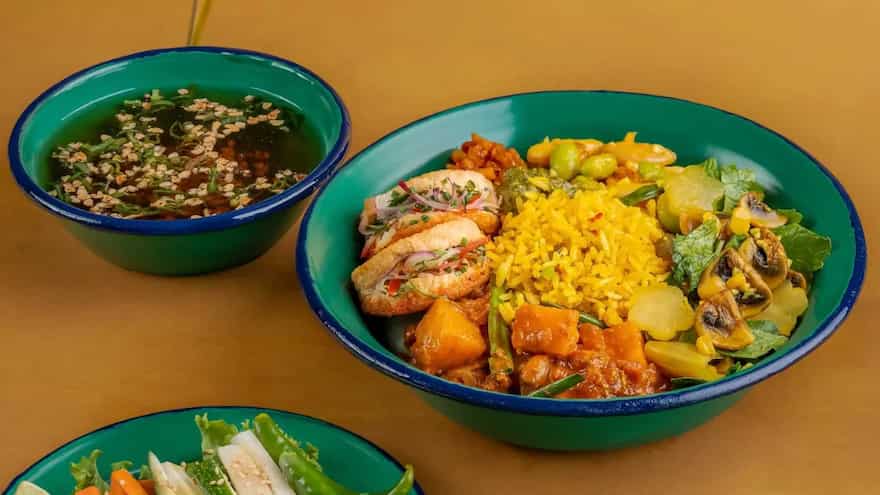
He also added, “The Thingyan special rice bowls this year are the centrepiece of the menu, made for two, meant to be shared, each one inspired by a different tradition of Burmese home cooking. But they're the end point of a longer thought. The real reinterpretation is in making sure that when someone sits at Burma Burma this May, the meal feels like an occasion. That's what Thingyan always was at home. So, while we are away from Burma, the people there are also on our minds.”
From curated rice bowls to interactive elements, Burma Burma’s Thingyan menu goes beyond seasonal dining. The Burmese New Year festival is translated into a format that feels both authentic and accessible.
Restaurant Details
- Burma Burma (Multiple locations across India)
- Cities: Ahmedabad, Bengaluru, Chandigarh, Delhi-NCR, Kolkata, Hyderabad, Mumbai
- Contact: Available via individual outlets
- Opening Hours: Lunch & Dinner
- Price for Two: ₹1800++




