


 Share
Share

HAVE YOU EVER BEEN warned not to eat cheese before bed unless you're in the mood for bizarre dreams?
Perhaps you've been told a late-night cheeseboard could unleash nightmares. Or maybe you've heard that a wedge of cheddar before sleep is practically an invitation for your subconscious to start screening surreal arthouse films.
As it turns out, this isn't just a modern internet myth. Humans have been blaming cheese for strange things for centuries. Nightmares are merely the latest charge in a surprisingly long rap sheet.
The latest accusation comes courtesy of a Canadian study involving more than 1,000 university students. Researchers found that some participants believed dairy products, particularly cheese, made their dreams stranger and their sleep worse. Yet while the study found a perceived connection, it didn't prove that cheese was secretly directing the brain's nighttime entertainment.
Still, the findings raise a more fascinating question:
Why are we so willing to believe cheese is capable of mischief?
To answer that, we have to travel through folklore, superstition, medieval medicine and a few centuries of humanity being deeply suspicious of dairy.
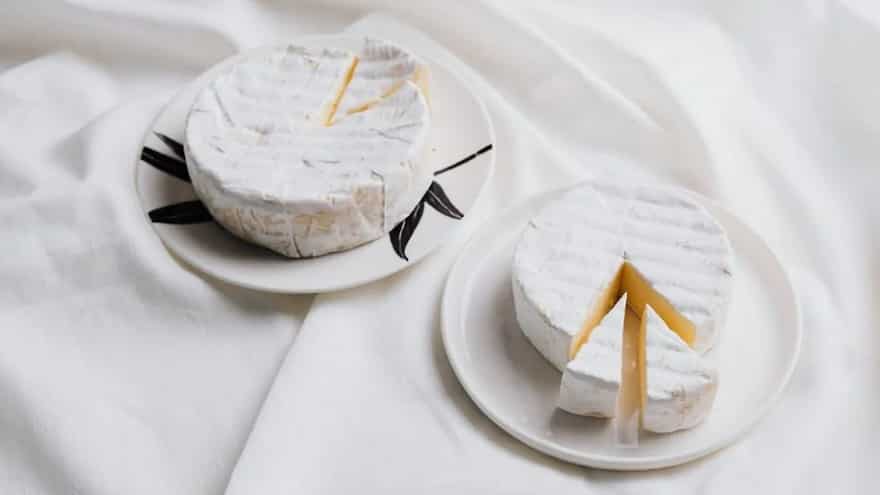
The moon was made of cheese. Apparently.
Long before sleep scientists entered the picture, cheese had already become tangled up with fantasy.
One of Europe's most enduring folk beliefs was the idea that the Moon was made of cheese. Versions of the tale appear in stories, poems and proverbs dating back hundreds of years. The joke wasn't really about astronomy. It was a playful way of mocking gullibility. If someone could be convinced that the giant glowing orb in the sky was essentially a celestial wheel of Gouda, they could probably be convinced of anything.
Yet the idea endured because cheese itself often seemed mysterious. Milk transformed into something entirely different through a process that most people didn't fully understand. Before the science of fermentation was understood, cheesemaking could feel almost magical.
Perhaps that's why people kept connecting cheese to things that couldn't easily be explained.
Dreams included.
When fairies took an interest in dairy
Across Ireland and Scotland, dairy products occupied a curious place in folklore.
Milk, butter and cheese regularly appeared in stories involving fairies, household spirits and other supernatural beings. In some regions, families left offerings of dairy to appease fairy folk. In others, if milk soured unexpectedly or a batch of cheese failed, invisible mischief-makers were often blamed.
It wasn't entirely irrational.
For farming communities, dairy represented wealth, survival and security. Losing milk or cheese could be devastating. Blaming fairies was often easier than accepting bad luck or admitting something had gone wrong during production.
To be fair, every industry could probably use a supernatural scapegoat now and then.
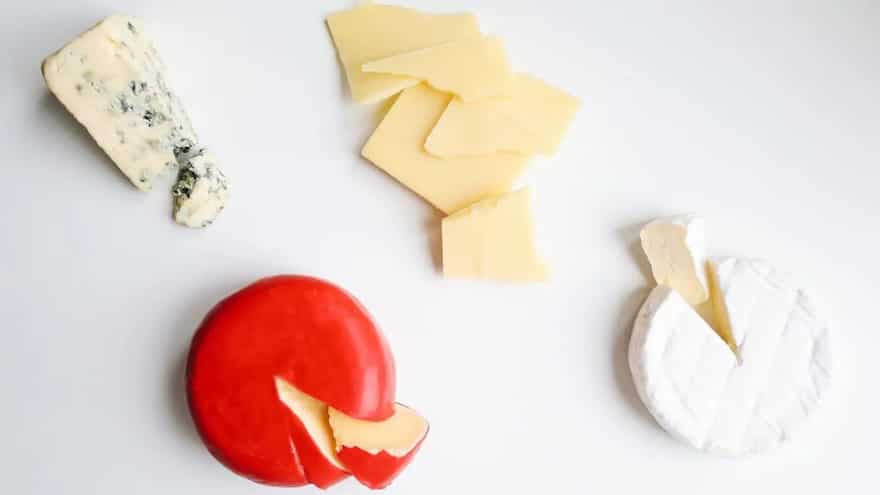
Medieval doctors were suspicious too
The fairy stories were charming. Medieval medicine was less forgiving.
For centuries, European physicians subscribed to humoral theory, the belief that health depended on balancing bodily fluids and temperaments. Foods were classified according to qualities such as hot, cold, wet and dry, and many were thought to influence mood and behaviour.
Aged cheese frequently found itself on the suspect list.
Some physicians warned that it could encourage melancholy, sluggishness or digestive troubles. Rich, heavy foods were believed to burden both body and mind, especially when eaten late in the day.
They weren't talking about nightmares exactly. But cheese was already earning a reputation as a food that could interfere with mental well-being.
Centuries before sleep trackers and wellness apps, cheese had already become a dietary troublemaker.
Spirits in the Alps
Even cheesemaking itself attracted supernatural explanations.
In parts of Switzerland, isolated alpine dairies inspired stories about mountain spirits who watched over cheese production. Some legends suggested respectful cheesemakers could earn the favour of these unseen guardians, while careless or arrogant ones risked spoiled batches and bad fortune.
Whether these stories were cautionary tales or attempts to explain why one wheel matured beautifully while another failed remains unclear.
Either way, cheese once again found itself at the centre of forces that people struggled to understand.
Did the moon help cheese ripen?
The Moon and cheese weren't finished with each other yet.
In rural parts of France, cheesemakers and farmers sometimes paid close attention to lunar cycles, believing the Moon influenced everything from planting schedules to the ageing of cheese. Certain phases were thought to produce better flavours, textures or maturation.
Modern science remains sceptical, but the belief persisted for generations.
Humanity, it seems, couldn't quite decide whether the Moon was made of cheese or simply responsible for making better cheese.
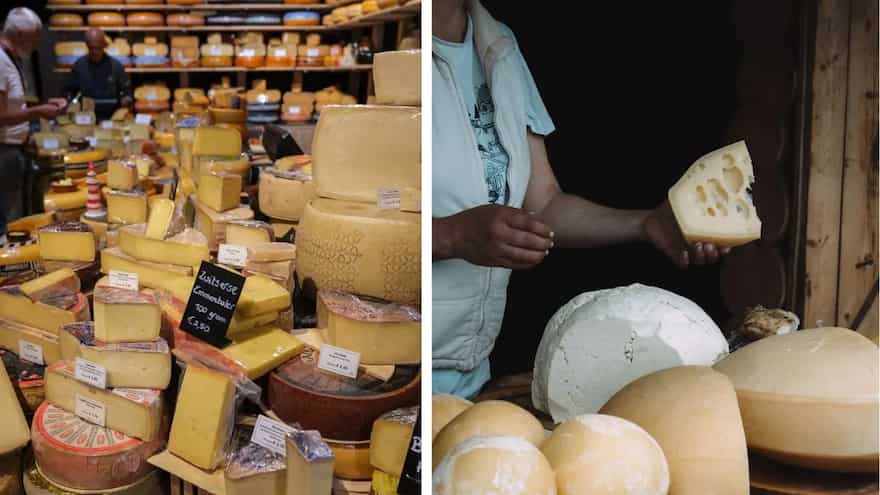
The English had a warning, too
The English even turned cheese into a proverb.
One traditional saying claimed:
"Cheese in the morning is gold, at noon silver, and at night lead."
The message was straightforward. Cheese might be wonderful, but it was considered harder to digest later in the day.
Curiously, modern sleep research arrives at a surprisingly similar conclusion, although with considerably fewer references to precious metals.
So does cheese actually cause nightmares?
After centuries of accusations, the scientific answer is somewhat anticlimactic.
There is currently little evidence that cheese directly causes nightmares
What researchers do know is that eating rich foods close to bedtime can affect sleep quality. Cheese contains substantial amounts of fat and protein, both of which take time to digest. If your digestive system is still hard at work while you're trying to sleep, your sleep may become more fragmented.
That matters because vivid dreams are closely associated with REM (rapid eye movement) sleep.
When sleep becomes disrupted, people are more likely to wake during REM sleep and remember dreams they might otherwise forget.
In other words, cheese may not be creating strange dreams.
It may simply be improving your chances of catching them in the act.
For people who are lactose intolerant, the effect may be even more noticeable. Digestive discomfort can interrupt sleep, making vivid dreams and nightmares easier to recall.
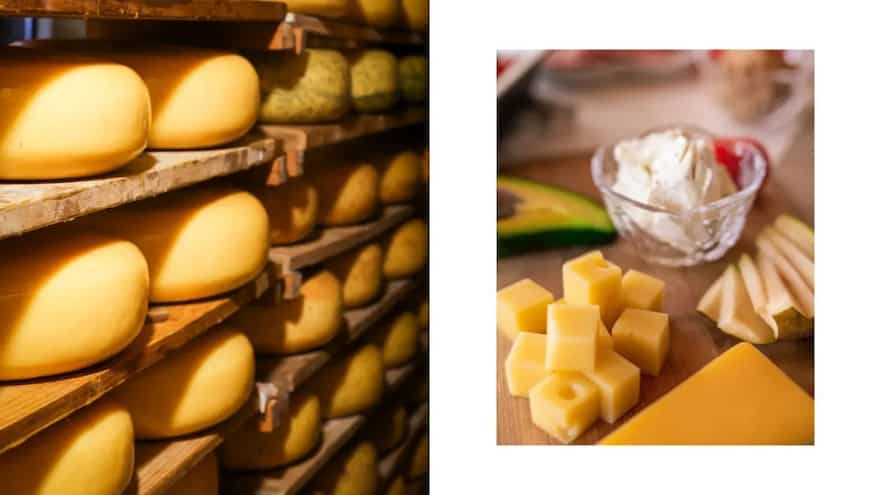
The verdict on cheese
After all the folklore, fairies, moon myths, mountain spirits and medieval warnings, cheese turns out to be surprisingly innocent.
The real culprit isn't necessarily the Brie, the Camembert or the Stilton.
It's timing.
Most sleep experts recommend avoiding large meals in the two hours before bed, giving your body time to digest before sleep takes over.
So if you're eyeing a late-night cheese board, there's no need to panic.
Just remember that humans have spent centuries blaming cheese for everything from supernatural encounters to lunar foolishness.
A few weird dreams are probably the least dramatic accusation it has faced.
And frankly, after everything cheese has been accused of over the years, a nightmare or two feels almost flattering.




