


 Share
Share

WHETHER it's a perfectly crisp pakora dunked in green chilli chutney or a fiery plate of Sichuan hotpot, many of us have a love-hate relationship with spicy food. It hurts. And yet, we keep coming back for more.
So what exactly is going on when we eat something that feels like it’s trying to set our mouth on fire?
The science of spice
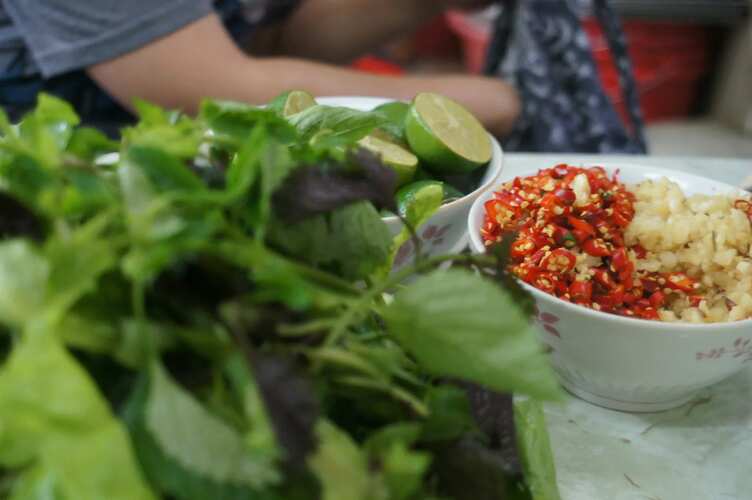
That burning feeling comes courtesy of capsaicin, the compound that gives chilli peppers their heat. It tricks our pain receptors — specifically, something called TRPV1 — into thinking we’ve touched something dangerously hot. Not “hot” as in temperature, but hot like a stovetop moments before a burn.
These TRPV1 receptors exist to protect us. In the wild, they’d help us avoid food that's gone off, or literal flames. But when capsaicin hits, they short-circuit and we end up sweating through a vindaloo anyway.

The evolutionary twist
Interestingly, most mammals (including our furry garden foes, squirrels) steer clear of chilli peppers. But birds? They eat chillies like they’re snacking on sunflower seeds. The twist: birds don’t have the same receptors and can’t taste the heat. This works out well for the plants—birds swallow seeds whole and spread them far and wide, while mammals tend to crush them. Evolution clearly has its favourites.
Some scientists believe this is why chillies evolved to be spicy in the first place: as a clever bird-friendly, mammal-repelling tactic. Others argue that spiciness also helps protect the plant from fungi and microbes.

A pain we learn to love
But humans are weird. We know it hurts, and yet, we enjoy it. Psychologists call this benign masochism — the idea that our minds override our bodies. We feel in control of the pain, so it becomes exhilarating. Like horror films or rollercoasters, it's discomfort with a safety net.
There may be a health angle too. Some studies suggest chillies can reduce blood pressure, act as a mild antimicrobial, and even release endorphins — those lovely brain chemicals that make us feel good. It’s culinary masochism with perks.

Measure for measure
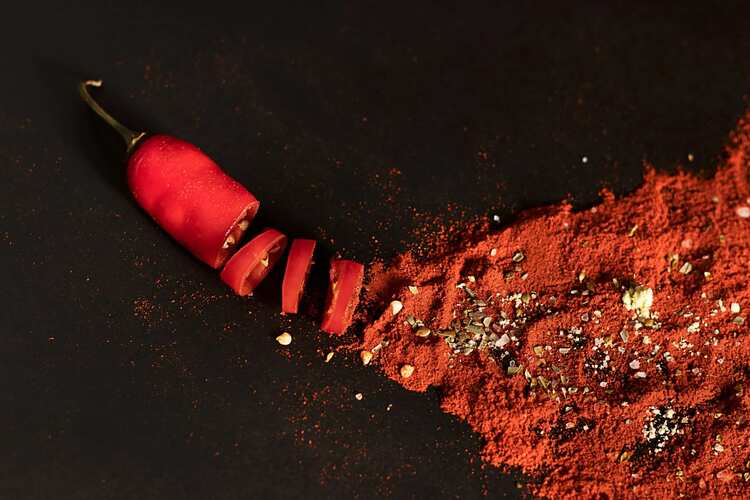
Not all chillies are created equal. In 1912, a pharmacist named Wilbur Scoville devised the Scoville scale, still used to measure chilli heat in SHUs (Scoville Heat Units). Bell peppers register at zero. Jalapeños hit around 5,000. Habaneros, the stuff of legend, clock in at 350,000.
And the infamous Carolina Reaper? A blistering 2.2 million SHU. For context, that’s about two-thirds the power of bear spray.
The cooling myth
So what do you reach for when your mouth feels like it’s melting? Not water — it won’t help. Capsaicin is hydrophobic, meaning it repels water the way oil does. Beer won’t do much either (and in some cases, might make it worse).
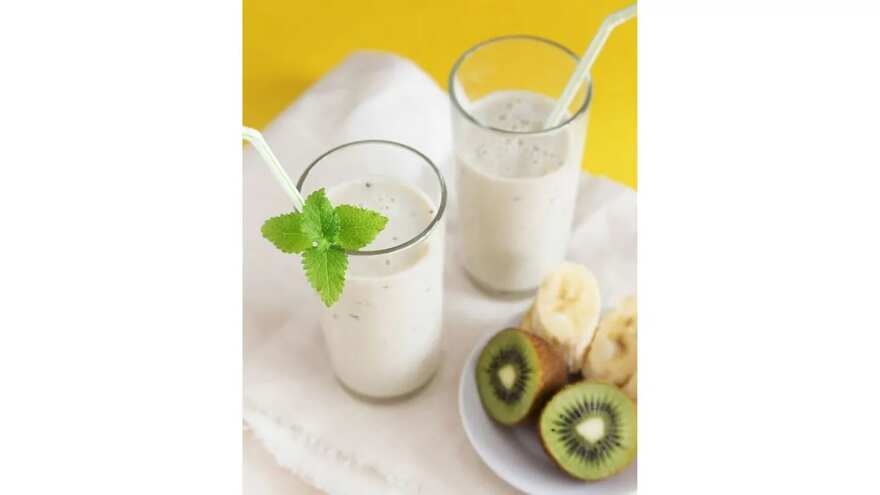
Instead, turn to dairy. Milk, yoghurt or even ice cream works because of casein, a protein that binds with capsaicin and helps wash it away — like soap for your tongue. Sugar can also distract your taste buds and tone down the torture.
From street snacks to YouTube smackdowns
Chilli worship has gone global. Beyond biryanis and burritos, we now have entire YouTube shows like Hot Ones, where celebrities are interviewed while eating increasingly spicy chicken wings. The real thrill? Watching them sweat and stammer through the Scoville scale.
It’s no wonder a quarter of the world’s population eats chilli every day. In a world full of blandness, spice is rebellion. It’s chemistry. It’s culture. It’s pain, but with pleasure.
And honestly? We like it like that.
(Based on “Why Some Like It Hot: The Science of Spiciness” by Roberto Silvestro, published in The Conversation)




