Share
Share

Some scents and flavours announce the arrival of a Bengali festive season before the calendar does. The smell of shiuli early in the morning, the first basket of kash phool, a sudden craving for khichuri when the monsoon sky glowers, and then there is tal. The large, dark-purple ripened fruit of the palmyra palm that arrives towards the end of monsoon, bringing with it a fragrance and flavour that is unmistakably Bengali.
Popularly known as ice apples or talshash in Bengali, tal is the ripened version of the same fruit. What was once lightly sweet and refreshing as talshash (resembles a plump, larger litchi) turns into a dark, distinctive and intensely aromatic pulp that is sweet, slightly fermented in character and wonderfully earthy. For generations, Bengali kitchens have transformed this seasonal fruit into everything from fritters and regional pancakes to creamy desserts.
It is particularly associated with the festival of Janmashtami (the celebration of the iconic birth of Lord Krishna), when tal er bora becomes almost inseparable from the divine prasad platter as well as the festive table. But Bengali cooks have never been particularly interested in letting a good seasonal ingredient do just one job. They are far too versatile to not utilise it fully.
Tal can be mixed into flour, simmered with milk, folded into batter, cooked with jaggery, or turned into a luxurious dessert. Its naturally dense pulp gives each preparation a characteristic texture, while jaggery, coconut, cardamom, and rice flour bring out different sides of its personality.
And if you have ever struggled with the slightly messy business of extracting tal pulp, then you are already aware that culinary reward comes only after a little kitchen patience. The fruit contains fibrous sections and seeds, so the pulp needs to be scraped and strained carefully before it becomes ready for cooking. However, once that work is done, the possibilities are deliciously varied.
Tal Er Bora: The Bengali Monsoon Classic
Crisp around the edges and soft within, they have an almost pudding-like interior when made well. The trick is patience. If the oil is excessively hot, the exterior can brown before the tal-rich centre cooks properly.
Ingredients (Serves 4-6)
1 cup ripe tal pulp
½ cup rice flour
- ¼ cup plain flour
- ¼ cup grated fresh coconut
- ½ cup grated jaggery, or according to taste
- ¼ tsp cardamom powder
- A pinch of salt
- Oil, for deep-frying
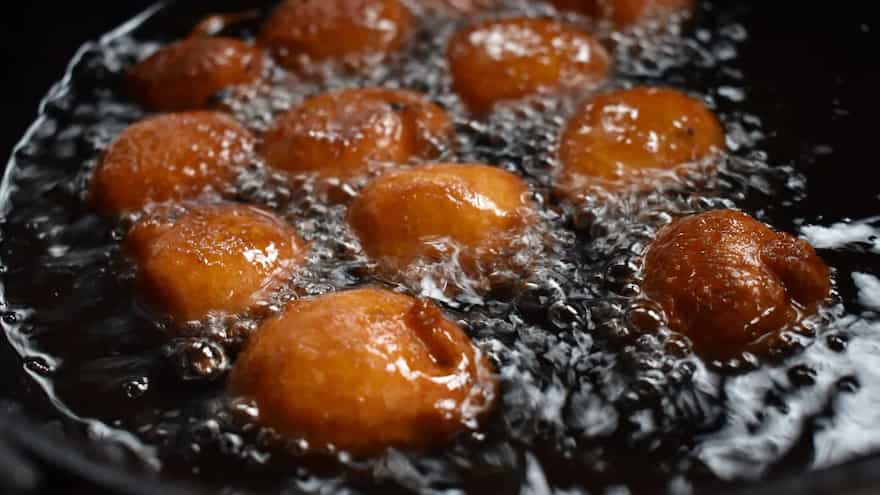
Image credit: Pexels
Method
- Place your tal pulp in a bowl and mix it with grated jaggery until the jaggery dissolves fully.
- Now, add rice flour, plain flour, grated coconut, cardamom, and a tiny pinch of salt.
- Mix all into a thick, spoonable batter. If the pulp is particularly watery, then add a little more rice flour.
- Now, allow the batter to rest for 10–15 minutes.
- Then heat oil over medium heat. Drop small portions of your batter carefully into the hot oil.
- Fry slowly, turning them occasionally, until the fritters become deep golden brown and crisp outside.
- Drain on kitchen paper and serve warm.
Tal Er Malpua: A Softer, Syrupy Celebration
Here, tal pulp goes into a pancake-like batter that is fried until golden and then soaked briefly in sugar syrup. The fruit gives the malpua a distinctive fragrance that regular flour-based versions simply cannot replicate. The ideal taler malpua is crisp around the perimeter but soft and aromatic in the middle.
Ingredients (Serves 2-3)
For the malpua
- 1 cup tal pulp
- ¾ cup plain flour
- 2 tbsp rice flour
- ¼ cup grated coconut
- 2 tbsp semolina
- ¼ tsp cardamom powder
- 2 tbsp jaggery
- ½ cup milk, approximately
- Ghee or oil, for shallow-frying
For the syrup
- ½ cup sugar
- ½ cup water
- 2 cardamom pods
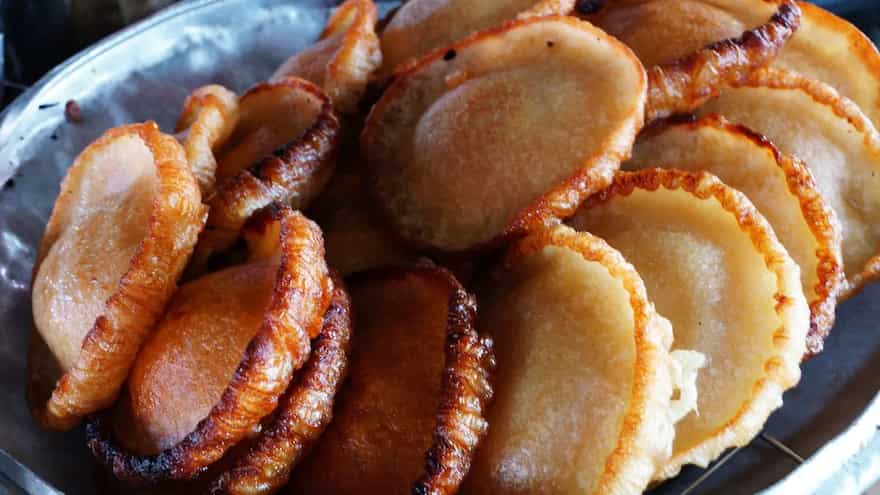
Image credit: Pexels
Method
- In a bowl, combine tal pulp, plain flour, rice flour, semolina, coconut, jaggery, and cardamom.
- Now, gradually add milk to make a thick but pourable batter. Let it rest for 20 minutes.
- Meanwhile, simmer sugar, water, and cardamom until you have a light syrup. Keep it warm.
- Now, heat a little ghee in a shallow frying pan.
- Pour a small ladleful of batter into the ghee pan and gently spread it into a thick round.
- Cook it over medium-low heat until golden underneath, then flip and cook the other side.
- Repeat with the remaining batter.
- Finally, dip each hot malpua briefly into the warm syrup.
- Serve immediately, preferably with a little thickened milk or rabri.
Tal Er Luchi: When A Seasonal Fruit Meets A Bengali Staple
Tal er luchi takes the beloved Bengali fried bread and gives it a seasonal twist. The tal pulp adds sweetness, colour, and aroma to the dough, creating luchis that are slightly richer and more fragrant than the everyday version. A moderately spicy vegetable preparation can complement the fruit-based Indian bread beautifully.
Ingredients (Serves 2 People)
- 1 cup plain flour
- ½ cup tal pulp
- 1 tbsp rice flour
- 1 tbsp semolina
- 1 tbsp ghee
- A pinch of salt
- Warm water, as required
- Oil, for frying
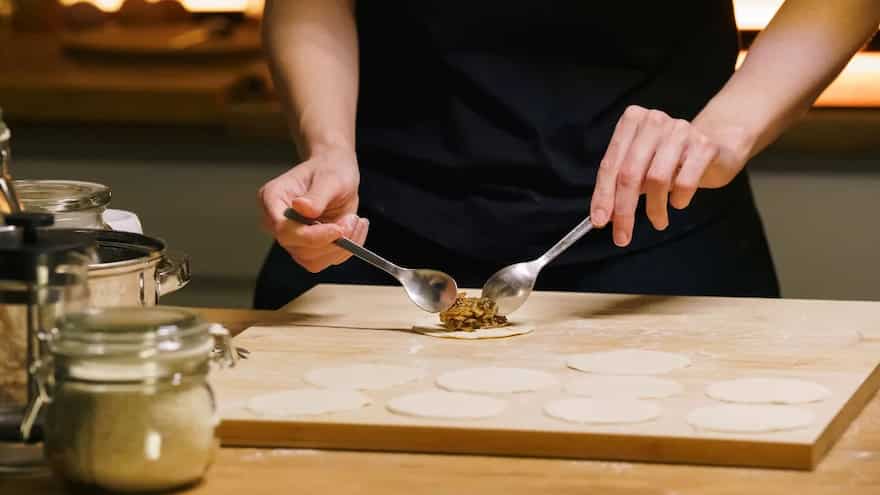
Image credit: Pexels
Method
- Combine your flour, rice flour, semolina, salt, and ghee.
- Then add tal pulp and knead into a soft dough.
- Now add a little warm water only if required, as tal pulp already contains considerable moisture.
- Knead until smooth and allow the dough to rest for 20 minutes.
- Now, divide into small balls and roll each into a small, slightly thick disc.
- Heat oil and gently slide in one luchi at a time.
- Press lightly with a slotted spoon to encourage it to puff in the oil.
- Turn once and fry until cooked and lightly golden.
- Finally, drain and serve hot.
Also read: Satiate your sweet tooth with these ice apple dessert recipes
Tal Er Payesh With Coconut And Nolen Gur
This version is particularly good when you want a dessert that tastes seasonal rather than simply sweet. The ingredient combination is gloriously aromatic: tal brings its deep fruity character, coconut adds creaminess, while nolen gur contributes the smoky caramel notes that Bengali desserts are famous for.
Ingredients (Serves 4-5)
- 1 cup tal pulp
- 500ml full-fat milk
- ½ cup coconut milk
- 3 tbsp nolen gur
- ¼ tsp cardamom powder
- 2 tbsp grated coconut
- 1 tbsp chopped cashews
Method
- Reduce your milk over low heat until it becomes slightly thick.
- Then add the tal pulp and simmer gently for 5–7 minutes.
- Stir in coconut milk and continue cooking for another 3–4 minutes.
- Now, turn off the heat and allow the mixture to cool slightly.
- Add nolen gur and cardamom, stirring until completely incorporated.
- Finish with grated coconut and chopped cashews.
Tal Er Sandesh: A Little Experiment For The Dessert Plate
Tal does not necessarily have to remain confined to traditional tal-based sweets. A simple tal sandesh can bring the fruit into the world of chhana-based Bengali confectionery.
Ingredients (Serves 6)
- 250g fresh chhana
- ½ cup strained tal pulp
- 3 tbsp powdered sugar
- ¼ tsp cardamom powder
- 1 tbsp milk powder, optional
- Chopped pistachios, for garnish
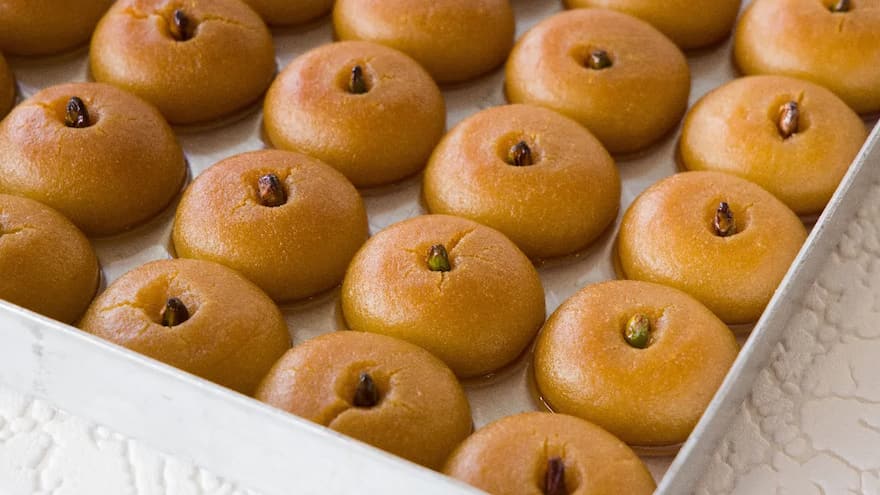
Image credit: Pexels
Method
- First knead the chhana until smooth.
- Then add your tal pulp, sugar and cardamom.
- Transfer the mixture to a non-stick pan and cook over low heat, stirring constantly.
- Continue until the mixture thickens and begins leaving the sides of the pan.
- Let it cool until comfortable to handle.
- Finally, shape into small discs with your hands or kitchen tools, or press into a sandesh mould.
- Garnish with pistachios and chill before serving.