


 Share
Share

As the festival of Mahashivratri passes, we often feel the first subtle shifts in the seasonal cycle. We are officially at the tail end of winter, and with the transition approaching, the shift can be tricky for the body to navigate. Although the afternoon sun might begin to show its face, the cold remains as strong as ever during the early mornings and late evenings. In Indian households, this specific period calls for dietary adjustments that bridge the gap between the heavy, insulating foods of deep December and the lighter fare required for the upcoming spring. Enter Osaman, a culinary gem from the heart of Gujarat. While the world is familiar with the thick, creamy consistency of a standard yellow dal, the Gujarati community has long cherished a thinner, more ethereal preparation known as Osaman. It is often described as the Gujarati cousin of the South Indian Rasam, yet it possesses a distinct personality shaped by the region’s love for the balance of sweet, sour, and spicy flavours.
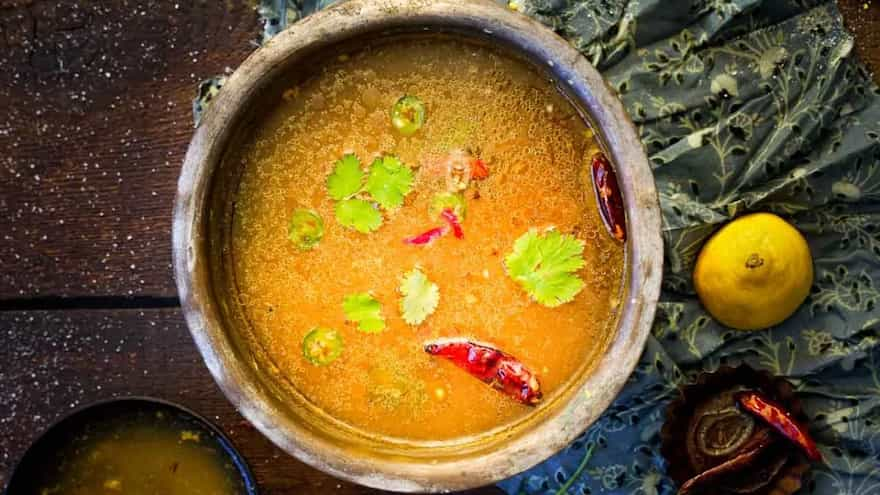
Image credit: Indiaphile
Osaman is a clever example of zero-waste cooking that has existed in Indian kitchens for generations. It is typically prepared alongside Lachko Dal, which is a thick, dryish preparation of boiled tur dal (pigeon peas). When the dal is boiled with an excess of water, the nutrient-dense liquid is strained off to become the base for Osaman, while the solid lentils are tempered to make the Lachko Dal. This duo, usually served with steamed rice and a dollop of ghee, represents the pinnacle of Gujarati comfort food during these lingering chilly months.
What Exactly Is Osaman?
To the uninitiated, Osaman might look like a simple lentil soup, but its complexity lies in the layering of its ingredients. Unlike a regular dal which relies on the bulk of the legumes for texture, Osaman is a clear, translucent broth. Its primary body comes from the starch and protein released into the water during the boiling of pigeon peas.
The character of the dish is defined by its tempering and the addition of specific souring agents. While Rasam often uses tamarind as its base, a traditional Gujarati Osaman frequently employs kokum or sometimes lime juice. The sweetness, a hallmark of Gujarati cuisine, comes from jaggery, which also provides a deep, earthy undertone that complements the sharp heat of green chillies and the warmth of ginger.
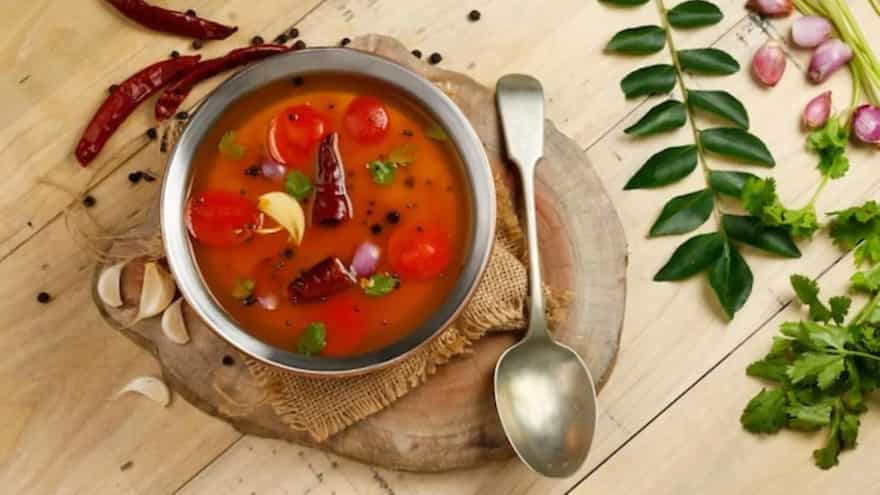
Image credit: Freepik
In many households, this preparation is considered a liquid gold that can revive a flagging appetite or soothe a scratchy throat. It is light enough to be sipped from a bowl like a consommé but flavourful enough to be poured over a mound of soft, steaming rice.
The Health Benefits Of Osaman
During the late winter and the transition beyond, the body’s immunity often faces challenges due to fluctuating temperatures. Osaman serves as a functional food that addresses several health needs during this period.
1. Superior Digestion
The use of ginger, asafoetida (hing), and cumin in the tempering makes Osaman an excellent digestive aid. Since it is a thin broth, it does not tax the digestive system, making it perfect for those days when you feel slightly sluggish or heavy.
2. Hydration and Mineral Recovery
Winter air is notoriously dry, and we often forget to drink enough water. Osaman provides essential hydration along with water-soluble B-vitamins and minerals that leach out of the lentils during the boiling process. It acts as a natural electrolyte balancer.
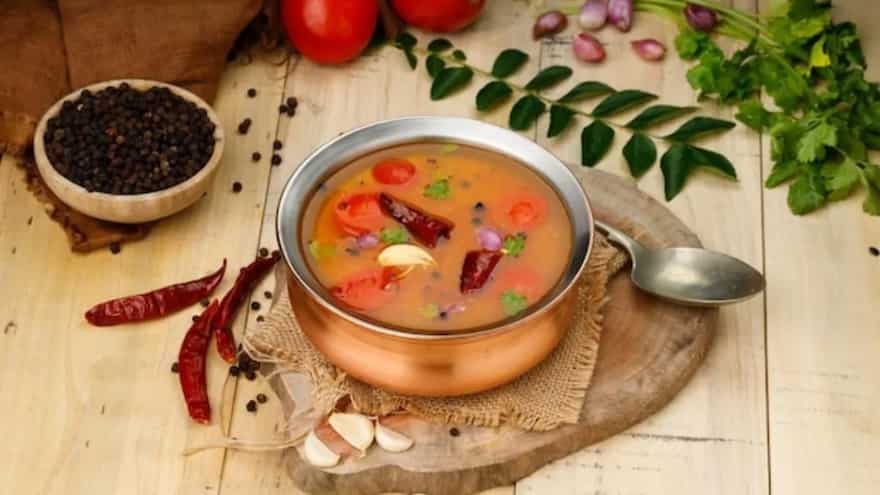
Image credit: Freepik
3. Respiratory Support
The combination of black pepper, cloves, and cinnamon used in the traditional tempering provides a gentle warmth to the respiratory tract. This is particularly beneficial when the cold is still strong, helping to clear congestion and keep the internal body temperature stable.
4. Anti-Inflammatory Properties
Turmeric and ginger are staples in this recipe. Both are well-documented for their anti-inflammatory properties, which help the body recover from the minor aches and pains often associated with the damp or lingering cold of late January.
The Traditional Osaman Recipe
This recipe yields a light, fragrant broth that serves four people. The secret lies in the quality of the tur dal water and the precision of the tempering.
Base Ingredients
• Water strained from boiled Tur Dal: 4 Cups
• Dry Kokum (soaked): 3 to 4 pieces
• Jaggery (Gur): 2 tablespoons (adjust to taste)
• Turmeric powder: 1/4 teaspoon
• Salt: To taste
• Ginger-Green Chilli paste: 1 tablespoon
Tempering Ingredients
• Ghee: 1 tablespoon
• Mustard seeds: 1/2 teaspoon
• Cumin seeds: 1/2 teaspoon
• Fenugreek seeds (Methi): 1/8 teaspoon
• Whole Cloves: 2 to 3
• Cinnamon stick: 1 small piece
• Curry leaves: 8 to 10
• Asafoetida (Hing): A pinch
• Fresh Coriander: Handful, finely chopped for garnish
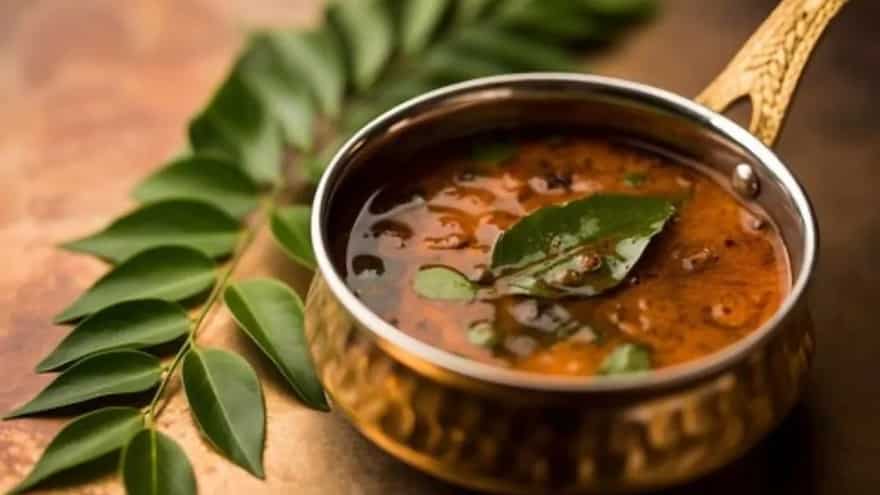
Image credit: Adobe Stock
Preparation Method
1. Obtaining the Base: Begin by pressure cooking half a cup of washed tur dal with four to five cups of water. Once cooked, do not mash the dal. Instead, carefully strain the liquid into a separate pot. This thin, yellowish water is your base for the Osaman. The remaining solid dal can be used to make Lachko Dal.
2. Infusing Flavours: Place the pot containing the dal water over medium heat. Add the jaggery, kokum, salt, turmeric, and the ginger-chilli paste.
3. Simmering: Let the mixture come to a gentle boil. Allow it to simmer for about five to seven minutes. This ensures that the raw smell of the ginger and chillies disappears and the kokum releases its signature pinkish-maroon hue and tartness into the broth.
4. The Tempering (Tadka): In a small frying pan, heat the ghee. Once hot, add the mustard seeds. When they begin to crackle, add the cumin seeds, fenugreek seeds, cloves, and cinnamon.
5. The Final Touch: Add the curry leaves and the asafoetida to the ghee. Immediately pour this aromatic tempering into the simmering dal water. Cover the pot with a lid for two minutes to trap the essential oils and aromas.
6. Finishing: Turn off the heat. Remove the lid and stir in a generous amount of fresh coriander leaves.
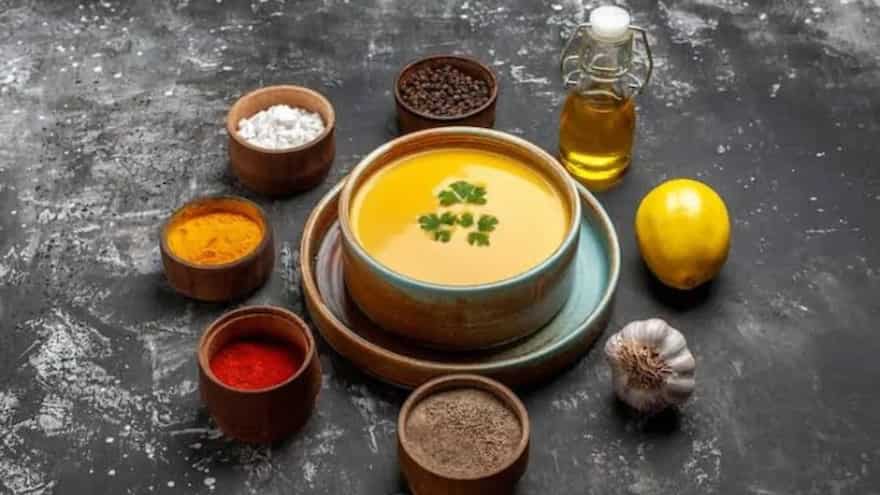
Image credit: Adobe Stock
Tips For The Perfect Osaman
To achieve the authentic taste of a Gujarati household, consider the following nuances:
• Consistency is Key: Osaman should never be thick. If the liquid feels too viscous, add a little hot water to thin it out. It should have the clarity of a soup, not the density of a gravy.
• The Sweet-Sour Balance: The soul of this dish is the equilibrium between the jaggery and the kokum. Taste the broth after simmering: it should dance between sweet and sour without one overpowering the other.
• Ghee over Oil: While oil can be used, ghee provides a necessary richness and a nutty aroma that defines the winter experience. It also helps in the absorption of the spices.
• Freshness Matters: Always use freshly pounded ginger and green chillies. The pre-packaged pastes often lack the vibrant zing required for such a light preparation.




