


 Share
Share

Mumbai’s food culture is facing a major disruption following the ban on coal and wood-fired ovens. The order, aimed at reducing air pollution, has directly impacted more than 300 bakeries across the city, many of which have been in operation for decades.
These establishments have long been central to daily life in Mumbai, producing pav, kharis, biscuits, and breads that feed millions. During the COVID-19 lockdowns, many bakeries remained open and provided affordable food when most of the city was shut. Their sudden closure or forced transition now risks affecting not just businesses but also the thousands of workers and vendors who depend on them.
The move towards cleaner fuels such as piped natural gas (PNG), LPG, and electricity has been promoted as an alternative. However, the city’s infrastructure has struggled to keep pace. PNG supply has been limited due to delays in pipeline expansion across densely built neighbourhoods. LPG usage remains restricted, with permissions capped at two cylinders per establishment. Electricity-based ovens, on the other hand, are significantly costlier and more suited to large, industrial-scale bakeries than smaller, family-run operations.
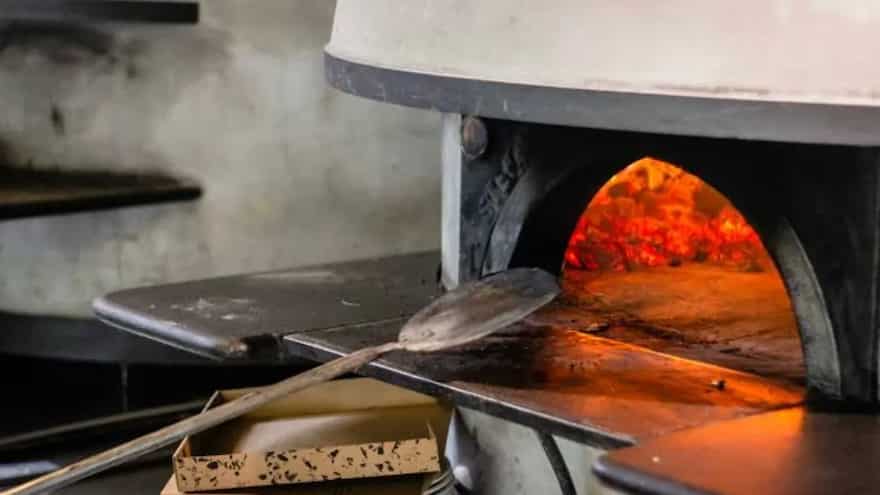
Despite these challenges, the ban has been implemented uniformly, treating small local bakeries and larger commercial outlets on the same footing. The result is a sudden disruption with no phased plan, no subsidies, and little clarity on how smaller establishments can realistically adapt.
Bakeries contribute only a small fraction of Mumbai’s total emissions compared to traffic congestion and large-scale construction, yet they are among the hardest hit. The knock-on effects are expected to extend beyond bakery owners and staff to street food vendors, delivery workers, and everyday consumers, especially those who rely on low-cost staples like pav for meals.
An industry member, speaking anonymously, called the move disproportionate. “The reasoning behind this order is unfair. Pollution in the city is overwhelmingly caused by traffic congestion and large-scale construction activity. Bakeries, on the other hand, contribute barely 3% to the pollution load. Established bakeries have always maintained the highest quality. Yet, our entire industry has been penalised based on one-sided information.”

The order reflects an intent to curb pollution, but the execution highlights gaps in planning and coordination between civic bodies and utility providers. Without clear support systems or transition measures, the city risks losing not only an affordable food supply chain but also a vital part of its culinary heritage.




