


 Share
Share

Just mention biryani in any part of India. Chances are the conversation will soon turn into a passionate debate. Is Hyderabadi better than Lucknowi? Does Kolkata-style chicken or mutton biryani’s iconic potato and egg make it the ultimate winner? Should biryani be spicy or fragrant? Dum-cooked or one-pot? While these famous opinions have divided foodies into rebellious groups, they remain united by their unequivocal love for the iconic dish. However, India's biryani story stretches far beyond the usual favourites.
Biryani is widely attributed to the royal kitchens of the Mughal Kings, blending ancient Persian and Central Asian pilaf preparation techniques with zesty Indian spices. While the name and cooking methods, such as the dum technique (slow cooking over charcoal), have Persian roots, the marriage of rice, meat, and spices was organised in India. And each region did its bit for the gastronomical wedding.
They interpreted biryani in their own way, influenced by local produce, spice traditions, geography, and culinary history. From bamboo tubes used as cooking vessels in the Northeast to seafood-infused coastal recipes in the South and lesser-known rural and community-style preparations all around, these regional avatars deserve far more recognition than they currently receive.
Unique Biryani Variations That Can Be Your Next Comfort Food
If you are an adventurous eater who loves discovering new flavours, here are six unique biryanis from across India that deserve a place on every foodie's bucket list.
1. Bamboo Biryani
One of the country's most fascinating biryanis comes from the forests of Kerala's Wayanad region as well as parts of the Northeast. Over there, the cooking technique is as memorable as the dish itself. Instead of being prepared in a traditional handi, the rice, marinated meat and aromatic spices are all packed inside fresh bamboo stalks before being sealed and slow-cooked over an open fire.
As the bamboo heats up, it releases a subtle, woody aroma that infuses the rice and meat, creating an unmistakable earthy flavour. Further, the gentle steaming process helps retain moisture, resulting in exceptionally tender meat and proper, fragrant rice. While chicken is the most common choice nowadays, mutton and even vegetarian versions can be found during local festivals and food fairs.
As a result, Bamboo biryani is light, mildly fragrant, and delicious with a smoky undertone. The meat holds center stage while the scented rice and spices perform perfectly alongside till the final act.
2. Goan Fish Biryani
While Goa is synonymous with seafood, its fish biryani remains surprisingly underrated outside the state. Unlike richer Mughlai-style biryanis, this coastal version celebrates fresh catch and vibrant local spices.

Image Credit: Unsplash
Kingfish, pomfret, or seer fish are usually the fish of choice. They are marinated with turmeric, red chillies, garlic, ginger, and lime juice before being layered with rice. Many home cooks also incorporate coconut milk, kokum, or vinegar, ingredients that reflect Goa's Portuguese-influenced culinary heritage.
The result is a light, tangier biryani with delicate seafood flavours that pair beautifully well with fresh salads or cooling raita. For anyone who thinks biryani must always feature chicken or mutton, this coastal speciality offers a refreshing change.
3. Kashmiri Biryani
The cuisine of Kashmir is celebrated for its subtle use of spices along with the generous use of dried fruits. And its underrated biryani gently reflects these traditions.
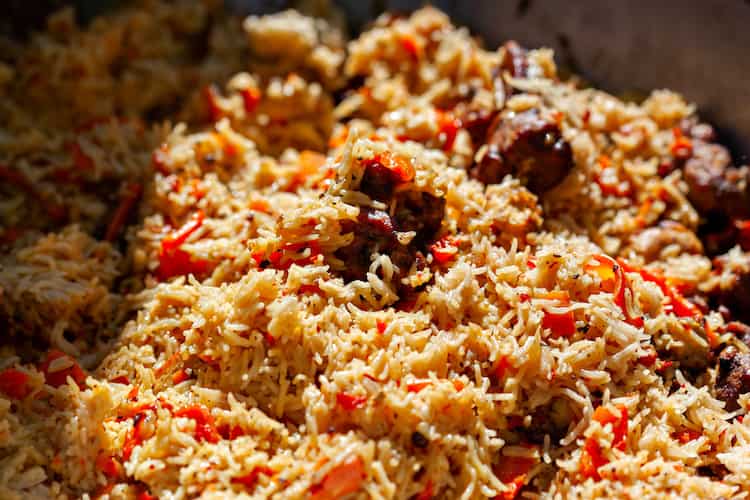
Image credit: Pixabay
Unlike fiery southern biryanis, Kashmiri biryani leans towards aromatic flavours and a richer mouthfeel. Long-grain rice is layered with tender meat, saffron-infused milk, yoghurt, fennel, dry ginger powder and whole spices. Almonds, raisins, walnuts and cashews commonly make their way into the dish, adding luxury, taste and texture.
The flavour profile is elegant rather than overpowering, with saffron and dried fruits balancing the savoury meat. Every mouthful feels special, unique and rich yet refreshing. It is usually a festive preparation that showcases the royal culinary traditions of the Kashmir Valley.
4. Sindhi Biryani
While Sindhi biryani is immensely popular within Sindhi households, it rarely receives the same mainstream attention as its popular counterparts, namely Hyderabadi or Lucknowi biryanis.

Image credit: Unsplash
Known for its bold, spicy character, this biryani is packed with green chillies, tomatoes, yoghurt, fresh mint and coriander. Unlike other regional styles, potatoes are commonly included alongside succulent pieces of mutton or chicken, making the dish even more hearty (a dish that will surely resonate amongst Kolkata-style Biryani lovers).
A defining feature of Sindhi Biryani is its refreshingly mild acidity, often achieved with dried plums (aloo bukhara), which add a gentle sweetness and slight sourness to balance the robust spices. Every spoonful of this biryani offers layers of heat, freshness and comforting richness, making it a hit at weddings and family celebrations.
5. Mangalore Biryani
The coastal city of Mangalore has developed its own distinctive biryani that reflects the bold flavours of Karnataka's western shoreline. Prepared with fragrant jeera samba or long-grain rice, depending on family traditions, Mangalore biryani typically features chicken marinated in a masala made from roasted spices, fresh coconut, mint, coriander and green chillies.
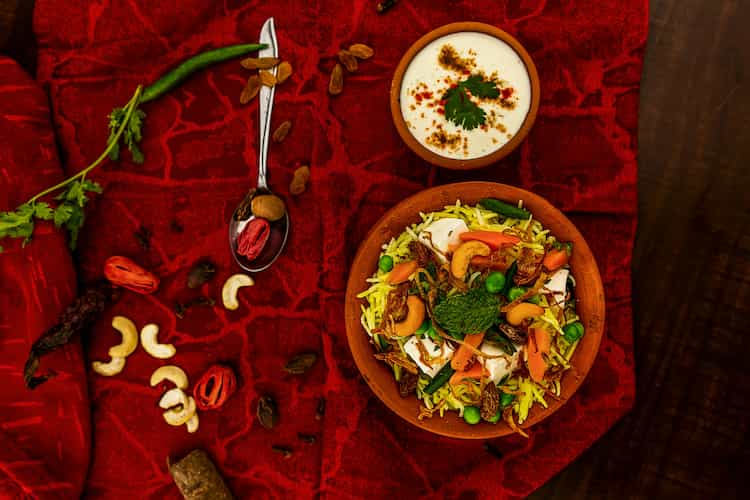
Image credit: Pexels
Some versions also include ghee-roasted onions and curry leaves for added nuance and depth. The spice mix is noticeably different from North Indian biryanis, lending freshness instead of excessive richness. The result is a beautifully balanced biryani that is aromatic, mildly spicy, and deeply comforting. The taste is unlike any other biryani you have had before.
6. Nagpur Biryani
Nagpur's cuisine often combines the lively flavours of Maharashtra with influences from central India, and its biryani is no exception. Nagpur biryani is known for its generous use of spices, slow-cooked meat and robust masala that gives the rice a rich, orange hue like the setting sun. Unlike subtler biryanis, this version is unapologetically full of flavours.
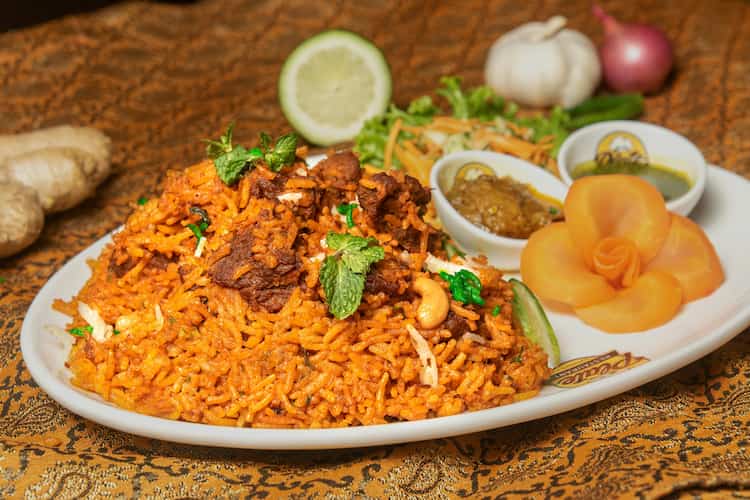
Image credit: Pexels
It features the likes of black pepper, cloves, cinnamon, bay leaves, red chilli powder and caramelised onions, among other ingredients. Many local eateries prepare it using mutton, though chicken versions are equally popular. The final taste is mouthwatering, with a solid dose of heat and the mildest sweet aftertaste due to caramelised onions. This powerful combination leaves every biryani eater yearning for more.
Nagpur biryani does not arrive alone. This unique biryani is often served with spicy salan or cooling raita, making it a wholesome meal that reflects the city's love for hearty, spicy food.




