Share


“Bhaai er kopale dilam fota,
Jom duare porlo kaanta…”
Just two days after Kali Puja, Bengali homes are surrounded by the humming of brotherly love that arrives with hush and hunger. Sisters wait, often fasting, until the forehead mark is placed, while brothers place themselves on an asana. However, apart from all these rituals, there’s a kitchen smelling delicious with coconut, ghee and the smell of fish. So, yes, you can rightfully say that the occasion of Bhaifota is about family gathering, delicious food and prayer for a healthy life. This year it falls on 11 November 2026, and the stoves are already warm.
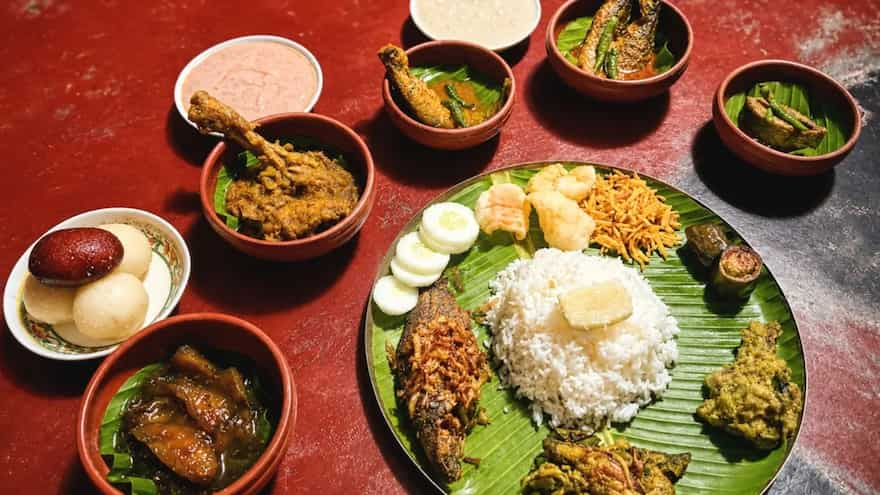
Image Credit: Freepik
Slurrp brought four voices together to learn what they are cooking fot the occasion: Chef Samita Gopal Halder, Chef Dyuti Banerjee, Chef Panchali Dutta and Lopamudra Kamilya. One is laying out a generous fish thali for her brother while the other culinary artist is cooking for a brother she never had. Their menus differ, yet each carries a mother’s hand or a grandmother’s memory.
Looking Back At The Mythological Part Of How Bhaifota Began
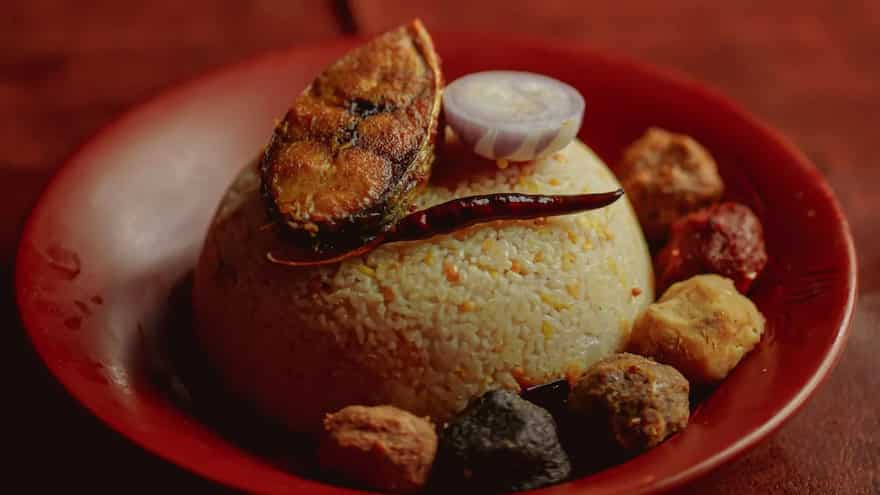
Image Credit: Freepik
The mythological connection of Bhaifota links to Yama and Yamuna's story. According to tradition, Yamuna invited her brother, the god of death, to her house and prayed for his well-being. The Rig Veda describes them as twins born to Surya. According to popular accounts, Yama finally paid a visit on Kartik's Shukla Paksha Dwitiya after turning down numerous invitations. Yamuna requested that the day be reserved for brothers and sisters after he bestowed a blessing.
The day is also associated with Krishna's visit to his sister Subhadra following his victory over Narakasura. Another describes how, after Mahavira reached nirvana, King Nandivardhan was consoled by his sister Sudarshana.
Chef Samita Gopal Halder: A Thali That Connects To The Rural Bengal
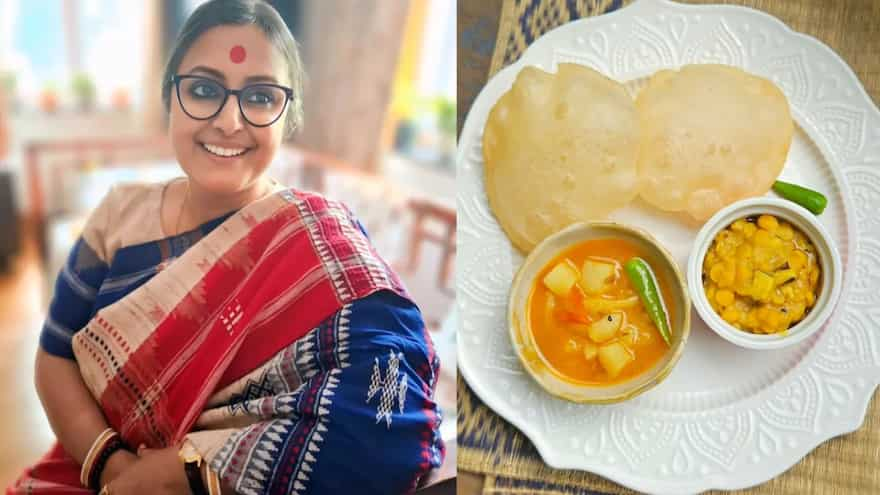
Image Credit: Chef Samita Halder | Instagram
Chef Samita Gopal Halder cooks the food of undivided rural Bengal. She digs out forgotten recipes, old methods, indigenous ingredients and seasonal flavours. Bhaiphota, however, is the one day she doesn’t treat as a project. Her memories begin in the kitchen. “For me, Bhaiphota has always been about family, affection and food. It is one of those occasions when the kitchen becomes the heart of the home.”
She starts with the very first ritual for the day, mentioning, “One tradition I particularly cherish is the morning folar. A simple but beautiful spread of chire, doi, khoi, coconut and sandesh.” She also remembers the smaller rituals: making kajal in belpata and collecting osh or sisir for fota.
Some things, she says, are too precious to alter. “I strongly believe that food is an important part of our cultural inheritance.”
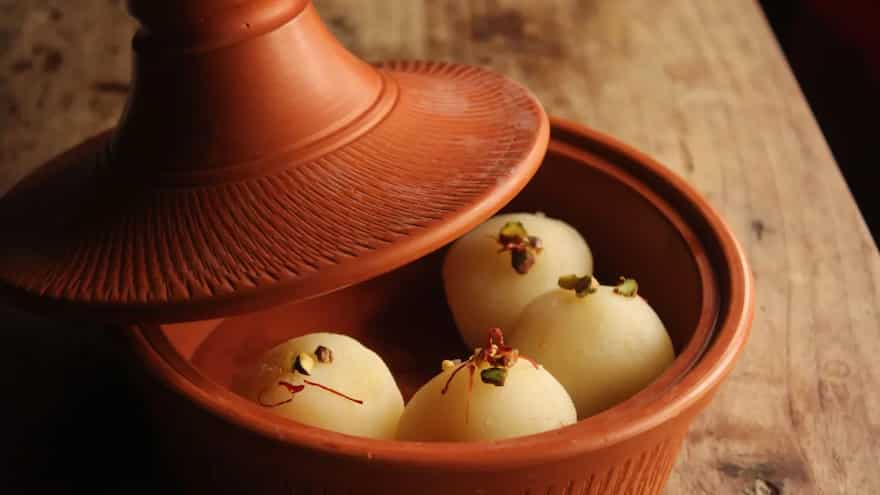
Image Credit: Freepik
This year, the main attraction is a special thali for her brother, with fish front and centre. It includes Bhetki Paturi, Doi Katla, Fish Fry, Fragrant Polao, Bhaja Moong Dal, five varieties of bhaja, Fulkopir Roast and Payesh. Her family favourites, chapa narkel sandesh and kucho nimki, will sit alongside. “For me, this meal is not about making something extravagant. It is about cooking generously for someone you love.”
If she must pick one dish, she doesn’t hesitate. “If I have to choose one, it would be chapa narkel sandesh.”
On creativity, she is clear. “I believe tradition and creativity need not be separate.” At home, though, she keeps experiments aside: “I would rather cook the food my family looks forward to.”
Chef Dyuti Banerjee: Cooking For A Brother She Doesn’t Have
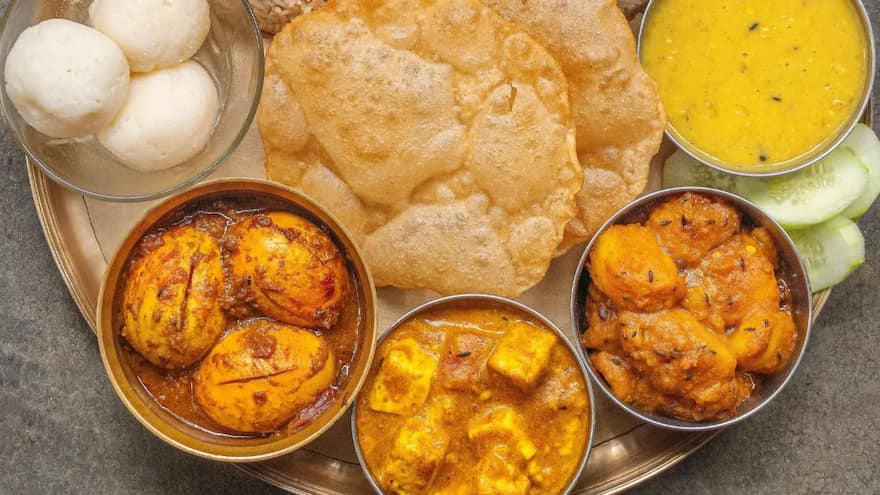
Image Credit: Freepik
Chef, food researcher, educator, and MasterChef India Season 7 contestant Dyuti Banerjee shares an unusual Bhaifota story. She has no sibling, yet the day still helped her prepare her palate. Her menu carries a Bengali identity wherever she travels.
Without a brother, she gave fnota to relatives. “Since I don’t have a sibling, I used to give fnota to my cousin, if he used to be home from school and then IIT.” Her grandfather, whom she called Baboojidada, received it too until he passed away in 2022. The food she remembers was a “big thala of mishtis,” especially her favourites: “kalakand, chomchom, chitrokut, naroos, chondropuli.”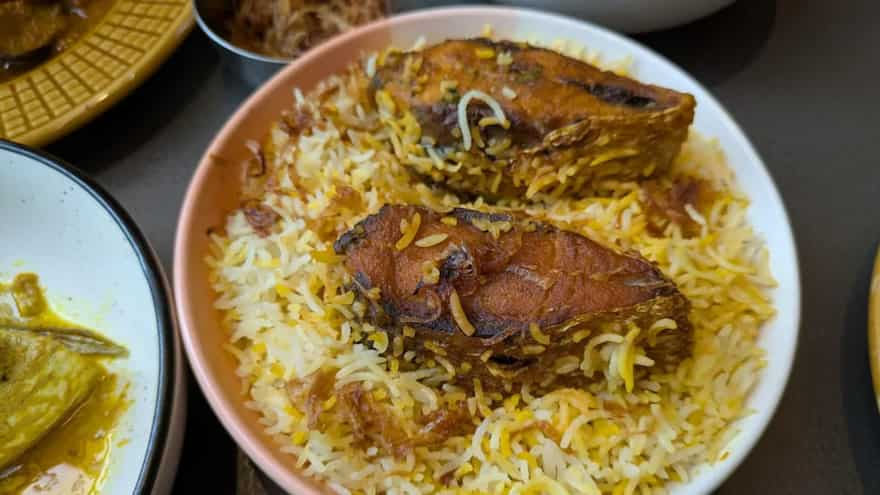
Image Credit: Saborni Saha
Rituals in her home were never rigid. “We never had any Bhai Fnota rituals set in stone, it was very flexible.” Some years meant luchi and payesh, a pairing she still loves. Her best memory involves her grandfather: “My favourite part was offering a tiny bite to Baboojidada, after which he would feed me all the mishtis on the plate!”
This year she has “no bhai to give fnota to,” so she is doing a pop-up menu. It features Mahua Kanika, Gushtaba Sufiana Malaikari and Chingri Chutney. She explains that “Kanika is the traditional sweet rice served as part of the Chappan Bhog at Puri’s Jagannath Temple.” She has reimagined it with mahua flowers, which add “a beautiful caramel-honey note.” Her favourite remains plain, and it has to be narkel naroo. As she puts it, “There is no bigger history than that it is my favourite, and I think that’s the sweetest history that can be for me!”
Chef Panchali Dutta: Silchar Memories On A Silver Platter
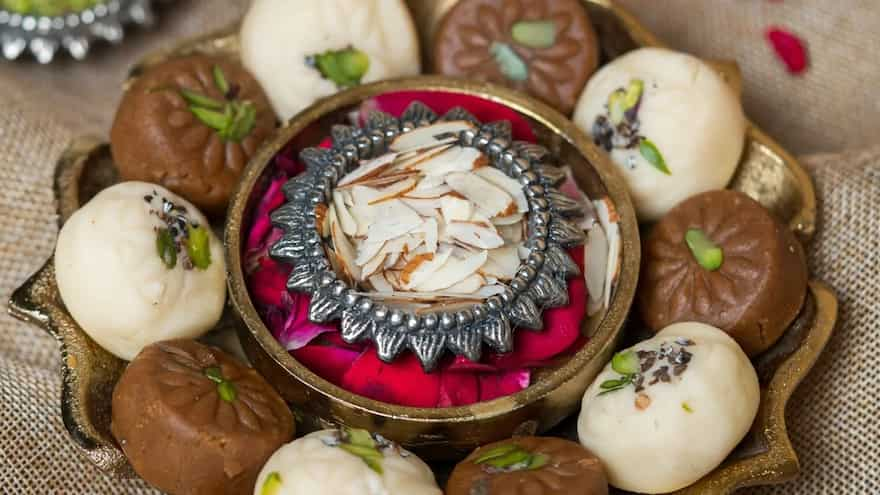
Image Credit: Freepik
Panchali Dutta, currently associated with Nescafé and chef at Bhooter Raja Dilo Bor, a well-known Kolkata restaurant, says her Bhaiphota begins far from the city, in the Assam town of Silchar and in a Sylheti household.
“My fondest memories of Bhaiphota go back to our month-long Puja vacations.” The family gathered at her paternal grandparents’ home, with uncles, aunts, cousins and several of her five Pishis. Silchar offered few good sweet shops, so the women cooked everything themselves. “Watching them work—and occasionally lending a playful hand—is how I first learned to cook.”
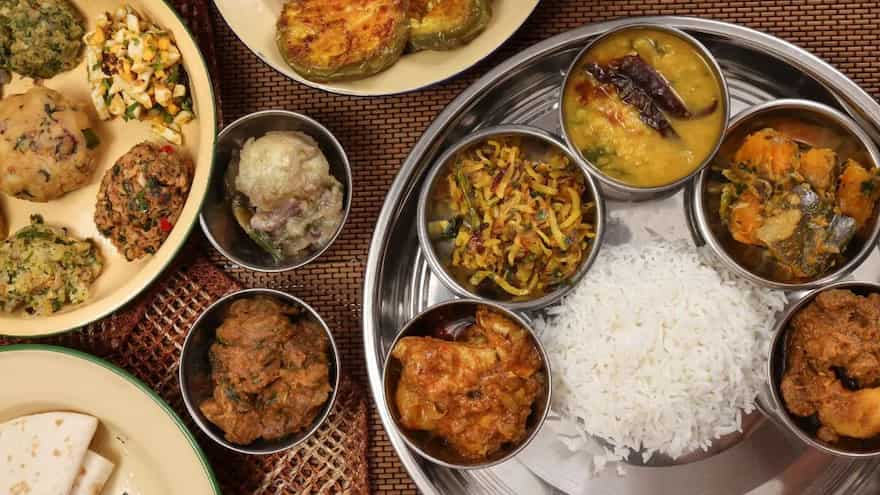
Image Credit: Freepik
Their kitchen blended recipes from several in-laws’ homes. The feast featured Shoshar Shukto, Boal Macher Bilashi and Shidol Chutney. Narkeler Chhancher Sandesh, Tiler Tokti, Khoi-er Bora and Kucho Nimki followed. She smiles about the chutney: “In our family, people would happily pass up meat or fish for Shidol Chutney.”
This year a personal commitment will keep her from celebrating on the day itself, so she plans to meet her brothers later. At the restaurant, though, her recipes take over. The menu offers festive thalis, including “a grand Roopor Thali where brothers are served an elaborate spread on a traditional silver platter.” The rituals are performed there too.
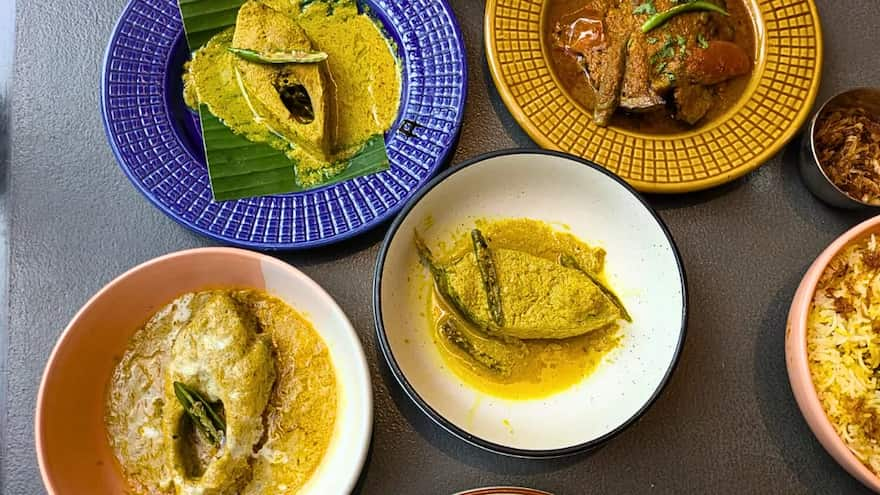
Image Credit: Saborni Saha
The restaurant itself, named by Mr. Rajib Pal, is a tribute to Satyajit Ray. Its Bhoot Chaturdashi dishes borrow names from Ray’s ghost stories, such as Ami Bhooter Ilish Bhorta and Neel Atonker Murgir Patishapta. “It is our small way of passing down Bengali heritage, literature, and culinary tradition to the next generation.”
Her own philosophy is simple. “My culinary creativity is never solely about my own expression; it is a dialogue between traditional Bengali flavors, my personal touch, and what the guests will truly enjoy eating.”
Lopamudra Kamilya: Seven Courses And One Sugarless Payesh
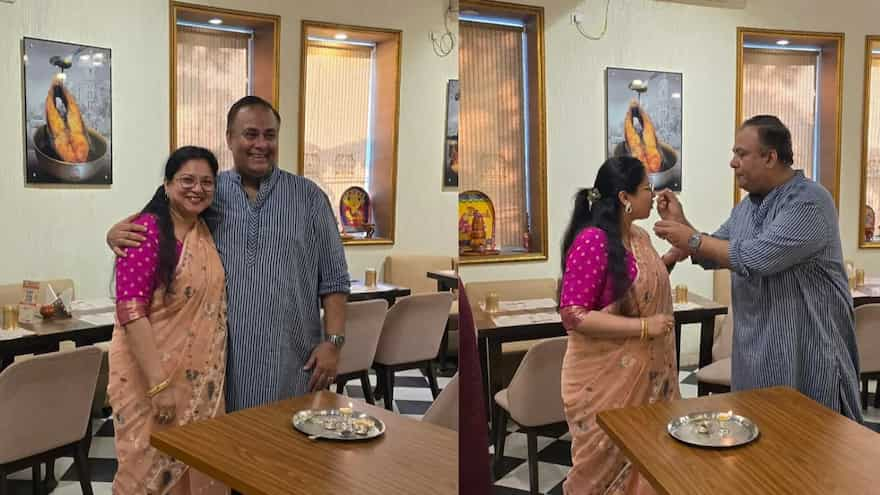
Image Credit: Lopamudra Kamilya
Lopamudra Kamilya owns Ilish Truly Bong on Park Street, Kolkata. She curates every recipe on its menu. Her Bhaiphonta story starts with her mother, a woman who planned the festival months ahead.
“My mother began planning for Bhaiphonta as soon as she received her Puja bonus.” She bought fabric for her brothers’ shirts and trousers, and young Lopamudra tagged along. Hired cooks prepared the feast, but one dish stayed in the mother’s hands. “My mother always made the sugarless payesh for her brother herself. That bowl of payesh is what I remember the most.”
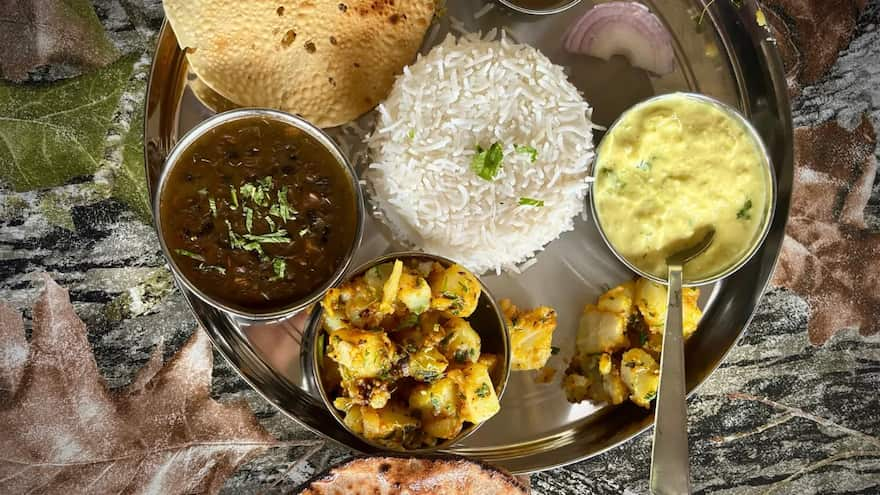
Image Credit: Freepik
She carries the same habit forward. “I find myself planning their meal throughout the year, thinking about what each of them would enjoy.” She hosts her brothers at Ilish each year, and this year’s plan is a seven-course meal. It opens with Eight-Hour Smoked Mutton, paired with a floral drink called Eden Whisper. Boneless Smoked Ilish follows, then Ilish Biryani with Gondhoraj Bhetki Grill. Basanti Pulao with Kacha Lonka Mangsho comes next, with Moshla Mohol to drink. Pardanashin closes the meal. The Bhetki Grill comes “from my mother’s recipe with my own twist.”
Payesh remains the soul of the day. “We consider it an auspicious offering, and for me its a tradition which lingers in my mind through generations.”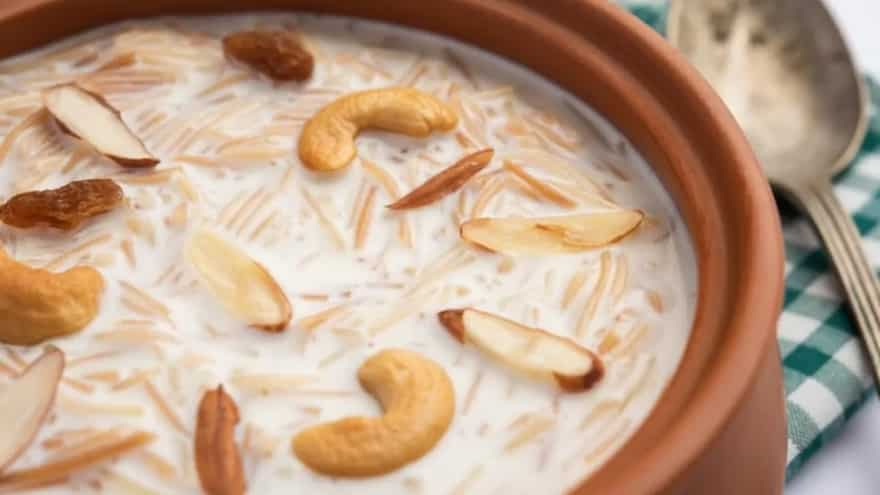
Image Credit: Freepik
When she creates a dish, she says, “I start with the Bengali flavours I grew up loving.” Only then does she play with texture or pairing. Her parents shaped her outlook: “They taught me to take joy in bringing people together.” The best part, she adds, is “sitting down with my brothers over a meal I’ve planned especially for them.”
Whether it is a rural Bengal thali, a mahua-scented kanika, a silver platter in Kolkata or seven courses at Park Street, Bhaifota food is cooked with a person in mind. The recipes change, and the ingredients travel, but the gesture holds.