


 Share
Share

As the festival of Navratri arrives, the fragrance of fasting favourites like kuttu puris and sabudana khichdi fills Indian households. Yet, beyond these everyday dishes, the festival brings with it a variety of regional preparations that are shaped by local ingredients and family traditions. In Tamil Nadu, sundal is closely knitted with Golu celebrations, whereas Maharashtra has its own forms of turning fasting-approved flours into delectable savoury dishes. Elsewhere, ingredients like water chestnut flour or singhare ka atta, bhagar and sweet potato or shakarkandi find their way into vrat menus, giving the nine-day festival a unique culinary essence across different parts of India.
These foods showcase how local cooking habits shape the festival menus, giving the same nine-day observance a diverse flavour from one place to another. Here are five lesser-known Navratri fasting preparations from around India that are worth discovering, along with what goes into them and how they are traditionally prepared. Since vrat rules vary from family to community, ingredients should always be checked against individual fasting rules.
Bhagar And Farali Handvo, Gujarat
Bhagar, also called samo or moriyo, is a small-seeded ingredient that is used in many Indian fasting kitchens as an option to traditional grains such as rice and wheat. In some farali handvo recipes, it is mixed with sago, curd and grated bottle gourd or lauki to make a thick batter, with some crushed peanuts that add texture.
The mixture is first cooked until the outside gets a golden crust, whereas the centre remains soft. Sesame seeds also add a toasted taste, whereas curd gives a slight tang to the dish. Since fasting rules vary, the ingredients and preparation method should be reviewed as per the practices followed by the household.
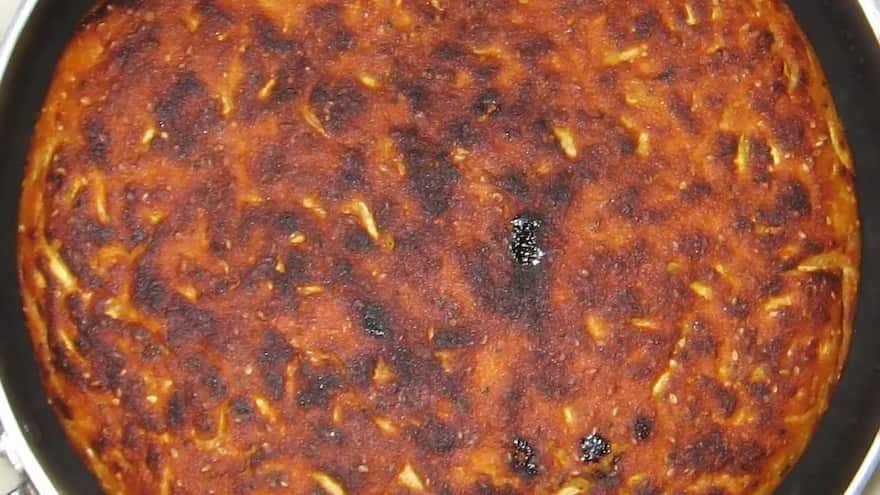
(Image credit: Wikimedia Commons)
Arbi Ki Kadhi And Singhara Katra, Uttar Pradesh And Uttarakhand
Arbi, or colocasia root, can also be added to the vrat meal beyond the usual potato preparations. In arbi ki kadhi, cooked pieces of the arbi are simmered in a curd-based gravy that is thickened with singhare ka atta in place of regular besan. The gravy gets a light tang, whereas arbi has a soft, earthy texture.
Another preparation, singhara katra, uses water chestnut flour that is cooked with water and vrat-friendly seasonings until it makes a firm mixture. Once the mixture has been cooled down, it is cut into small pieces and then shallow-fried, making a lightly crisp exterior with a soft centre. The taste is mild and earthy, making it a good accompaniment to the vrat ki kadhi or also the potato-based curry. You can also serve it warm with a bowl of plain curd, which adds a cooling, tangy distinction to the fried pieces.
Sundal, Tamil Nadu
During Navratri, many Tamil households arrange a Golu, a stepped display of dolls representing deities and scenes from mythology, and make sundal as an offering. The ingredients often get changed every nine days, with families using peanuts (verkadalai), chickpeas (kondakadalai) or green gram (pachai payaru) for the preparation.
The pulses are first soaked when required, boiled until soft and tempered with some mustard seeds, curry leaves and green chillies. Freshly grated coconut is added only towards the end, giving the dish a light sweetness and fresh fragrance. Sundal is offered as prasadam and then distributed among guests during Golu gatherings.
Upvas Bhajani Thalipeeth, Maharashtra
Upvas thalipeeth adapts Maharashtra’s familiar favourite flatbread format to the fasting ingredients. Relying on household preference, its flour mixture typically uses vrat-friendly flours such as rajgira or bhagar, along with some crushed peanuts to get a nutty taste and some added texture. The addition of cumin and green chillies adds a gentle seasoning, whereas mashed potato helps in binding the mixture.
The dough is lightly patted into thin rounds and then cooked on a greased tawa until golden spots appear on both sides. Once cooked, upvas bhajani thalipeeth can be best enjoyed warm, when its edges get a slight crispness, and the centre remains soft.
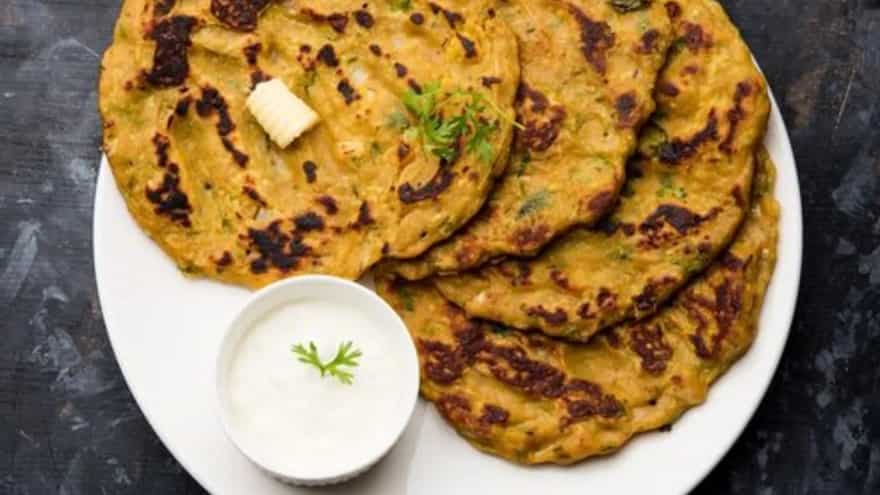
(Image credit: Freepik)
Shakarkandi Kheer, Central India And Bihar
Shakarkandi kheer is a festive dessert that is prepared with sweet potato in place of the regular rice or sabudana used in more familiar kheer recipes. Finely grated sweet potato is added to simmering milk and then cooked until the shreds turn soft and the liquid gets thickened. Cardamom gives the dessert a warm aroma, whereas using saffron gives it a colour and a light fragrance.
Chopped nuts or roasted makhana are added to give the dessert a contrast against the creamy base. Sweet potato adds natural sweetness, although you can also add sugar as per preference. The consistency is lightly thickened milk to a denser pudding, depending on the time of cooking time and preference.




