


 Share


The arrival of Bestu Varas brings a profound sense of renewal across households and commercial districts alike. Celebrated on the first day of the bright fortnight in the Hindu month of Kartik, this festival marks the commencement of the new calendar cycle for Gujarati communities globally. Families awaken before sunrise to prepare homes with intricate colourful rangolis, fresh marigold garlands, and glowing oil lamps. The atmosphere vibrates with optimism as neighbours and relatives exchange warm greetings of Saal Mubarak, wishing one another health, harmony, and commercial abundance for the upcoming months. It is a period for closing old chapters, forgiving past grievances, and stepping forward with an open heart. The air carries the sweet scent of cardamom, saffron, and freshly melted ghee, setting a festive tone that transcends generations. Elders bestow blessings upon the younger members, while children eagerly anticipate receiving cash gifts known as ghodi and traditional sweets. This cultural cornerstone honours the interconnectedness of community life, blending spiritual devotion with joyous social interactions that have endured for centuries. 
The historical foundation of Bestu Varas traces its origins to King Vikramaditya of Ujjain, who established the Vikram Samvat calendar following a legendary victory. Over centuries, the day evolved into a unique expression of cultural identity, spiritual rebirth, and social harmony. Every ritual performed during this period reflects a deep reverence for time, relationships, and natural cycles. From the meticulously scrubbed entryways of suburban homes to the decorated storefronts of traditional spice markets, every space undergoes a dramatic physical and energetic transformation. The celebration serves as a vital bridge connecting younger generations living abroad with their ancestral heritage, reinforcing values of hospitality, generosity, and familial unity that define the global Gujarati diaspora.
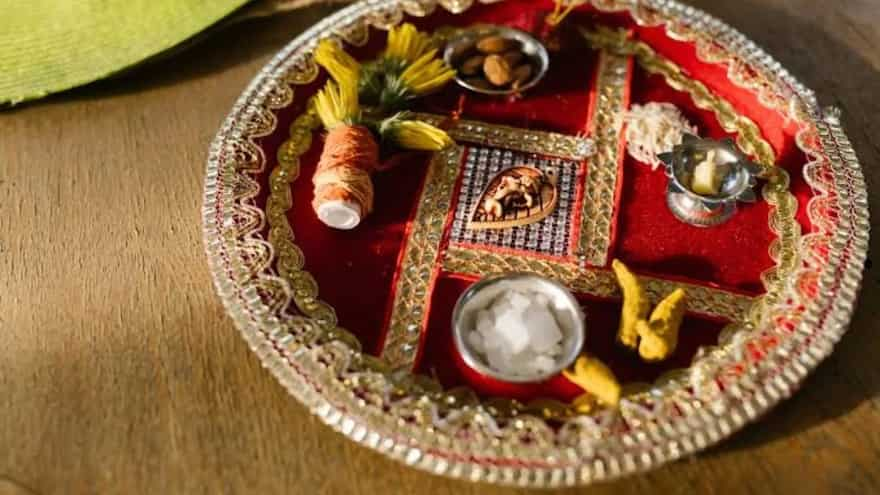
Image credit: Pexels
Gujarati New Year 2026 Date And Auspicious Timings
In the year 2026, Bestu Varas falls on Tuesday, November 10. This auspicious date corresponds with the beginning of Vikram Samvat 2083. According to traditional astronomical calculations, the Pratipada Tithi begins on the afternoon of November 9 and extends until the afternoon of November 10. Because the sunrise observance dictates festival scheduling in the Hindu calendar, the day is officially celebrated on November 10 when Shukla Pratipada prevails at dawn. This timing allows families to transition smoothly from the introspective rituals of Diwali into the celebratory dynamism of the new year. Astrologers highlight specific auspicious windows, known as Choghadiya muhurats, for initiating new ventures, performing prayers, and launching commercial enterprises. Businesses align their operational calendars with these divine hours, ensuring that every endeavour begins under favourable celestial alignments. Understanding these precise timings helps households orchestrate their daily pujas, community visits, and festive feasts with precision and grace. 
The calculation of these sacred timings relies on ancient lunar cycles meticulously documented in traditional panchangs. Astrologers calculate the exact planetary transits to determine the precise hours for Labh Choghadiya, Shubh Choghadiya, and Amrit Choghadiya. Engaging in major financial transactions or commencing new business ventures during these designated hours is believed to attract lasting stability and growth. On the morning of November 10, families convene in prayer rooms at designated muhurat times to light the primary ghee lamp of the year. This ritualistic alignment of human action with cosmic order provides practitioners with confidence and peace of mind as they embark upon twelve months of commercial and personal activities.
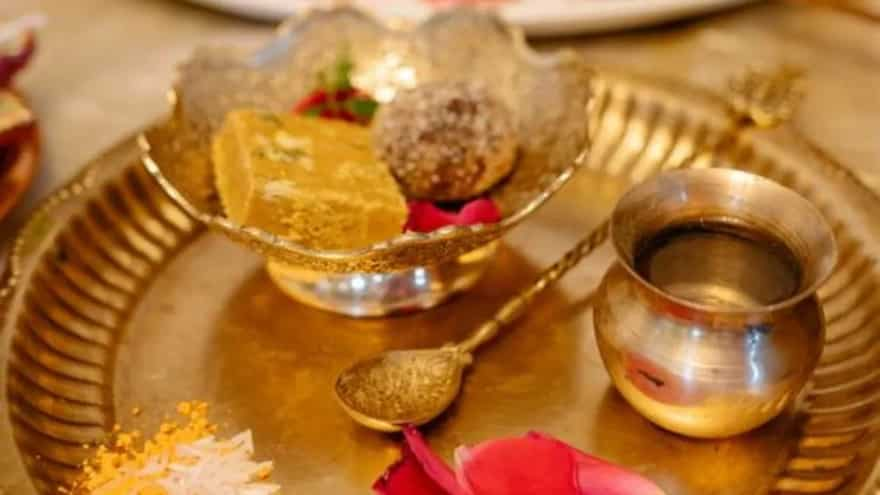
Image credit: Pexels
Festive Autumn Food Traditions In Authentic Gujarati Kitchens
Culinary arts take centre stage during Bestu Varas, transforming home kitchens into bustling hubs of hospitality as the crisp autumn chill settles over the region. Gujarati households prepare an extravagant spread of nourishing sweet and savoury delicacies designed to warm the body, celebrate the post-monsoon harvest, and welcome guests with unmatched generosity. Rich festive sweets feature prominently, such as golden mohanthal made from slow-roasted chickpea flour, fragrant lapsi sweetened with unrefined jaggery, crumbly magas, and melt-in-the-mouth ghari stuffed with dried fruits and khoya. Savoury snacks cooked in generous amounts of ghee and spices line decorative serving platters, including crispy mathri, spiced suvali, flaky khasta kachoris, and crunchy bhakharwadi filled with poppy seeds and coconut.
As autumn transitions into early winter, seasonal produce makes its grand appearance on the New Year thali. Families prepare regional winter specialties such as spicy methi na dhebra crafted from pearl millet and fresh fenugreek leaves, paired with freshly churned white butter and sugarcane jaggery. Another central highlight of the season is the early harvest of Surti papdi beans, tender purple yams, and sweet potatoes, which are slow-cooked with aromatic green garlic and sesame into rich seasonal curries. On the morning of the new year, family members partake in a cherished breakfast featuring piping hot, freshly fried fafda seasoned with carom seeds, served alongside sweet jalebi and warm, spiced papaya sambharo. Guests arriving throughout the day for traditional Saal Mubarak visits are welcomed with silver trays loaded with roasted dry fruits, homemade mithais, and steaming cups of masala chai infused with dry ginger and nutmeg to ward off the cool autumn air. Every single dish served reflects gratitude for the seasonal bounty of the earth and a collective wish for sweet, harmonious relationships. 
Chopda Pujan Rituals And Sacred Ledger Worship
While Bestu Varas marks the dawn of the new calendar year, the formal financial and commercial transition takes place during Chopda Pujan on the preceding night of Diwali. Business owners, traders, accountants, and shopkeepers gather in their commercial establishments or home offices to consecrate their new account books, known as chopdas. These traditional ledger books are bound in vibrant red cloth and inscribed with sacred symbols like the auspicious swastika, the sacred syllable Om, and the phrase Shubh Labh alongside divine invocations addressed to Goddess Lakshmi and Lord Ganesha. Participants perform elaborate purification rites using holy water, offering turmeric, vermilion, fresh marigold flowers, unbroken rice grains, and sweets to invoke divine grace for ethical commerce and continuous growth. 
The closing of old ledgers signifies the peaceful resolution of outstanding debts, the forgiveness of past business rivalries, and the complete audit of financial affairs. The opening of fresh pages embodies absolute honesty, transparency, and high moral standards for all future financial dealings. In the modern digital era, many commercial firms now place laptop computers, tablet devices, and accounting software alongside traditional paper ledgers on the puja altar, seeking blessings for digital enterprise as well as physical books. As morning breaks on Bestu Varas, these freshly consecrated ledgers and digital devices are brought into active service, symbolising a clean slate, structural organization, and divine sanction for all economic endeavors throughout Vikram Samvat 2083.
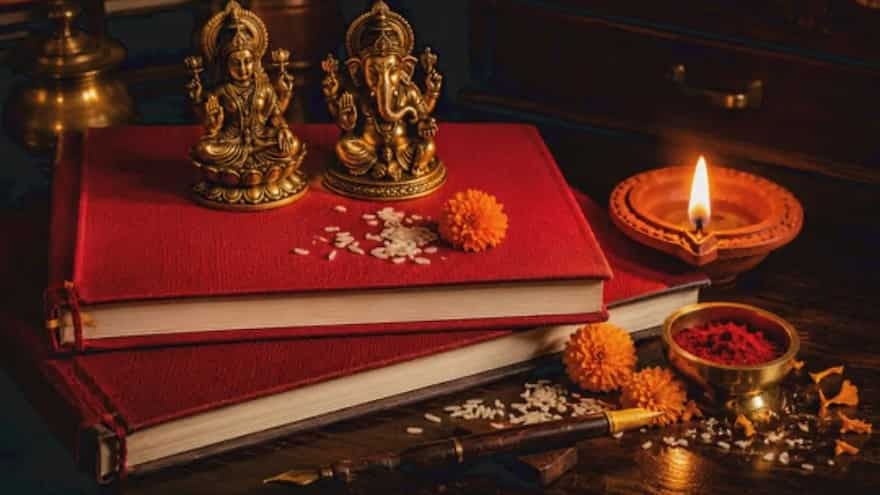 Image credit: Pexels
Magnificent Annakoot Rituals At Nathdwara Temple
One of the most visually spectacular manifestations of the post-Diwali festive season unfolds through the Annakoot festival, celebrated with unmatched grandeur at the sacred Shrinathji temple in Nathdwara. Annakoot, which translates directly to a mountain of food, commemorates the historic event where Lord Krishna lifted Mount Govardhan to shield the inhabitants of Vraja from torrential rains, teaching humanity to revere nature and offer thanks for agricultural sustenance. At the temple sanctuary, priests, temple cooks, and devotees construct a staggering mountainous heap of hundreds of kilograms of hot cooked rice within the inner courtyard, representing the sacred hill. Surrounding this central rice mound are elaborate stepped wooden platforms displaying hundreds of distinct culinary preparations collectively known as Chhappan Bhog.
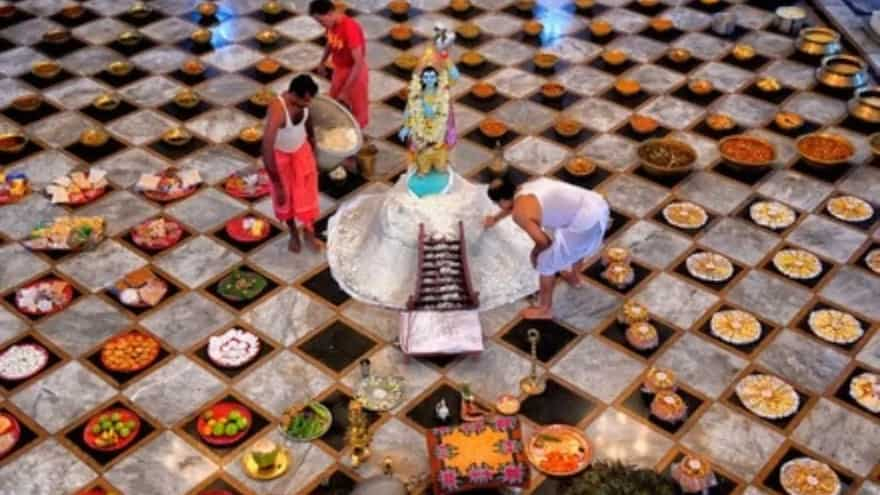 Image credit: Shutterstock
The visual presentation of sweets, savouries, complex herbal curries, lentil preparations, traditional pickles, and milk delicacies creates a breathtaking panorama of devotion. Devotional singers perform classical thaal kirtans for hours, describing each dish and humbly requesting the deity to accept the grand feast. Following the elaborate morning prayers and the grand Rajbhog aarti, a legendary tradition known as the Annakoot Loot takes place, where tribal devotees from surrounding regions are granted exclusive rights to leap forward and collect the sanctified rice mound as divine blessings. Pilgrims travel from all corners of the globe to witness this magnificent spectacle, returning home with small portions of blessed prasadam. This grand celebration reinforces timeless cultural values, reminding every participant to live in harmony with the environment, protect livestock, and share human prosperity with the wider community.




