Share
Share

It wakes you up, soothes you down and is a constant companion no matter what your job, background or where you live. For those who love coffee, this incredible ingredient is a part of everyday life and one that most people can’t do without. For coffee lovers worldwide, from delicious hot and cold beverages, as well as dishes infused with it. For those who didn’t know, there is a term known as ‘coffee cupping,’ that can determine the quality, aroma, acidity and more for the coffee you indulge in. Moreover, it is a professional way of saying you’re a coffee enthusiast.
For most people, coffee remains even today the base for beverages and nothing more. From Italian espressos to Indian filter kapi, coffee beans are used to create a wide variety of liquid infusions. But did you know that including coffee in dishes to add a depth of flavour is also a practice around the world? And if you want to take your skills up a notch this year, it’s time to learn the whats and hows of coffee cupping!
What Is Coffee Cupping?
Coffee cupping is a technique used to describe the quality and taste characteristics of various coffee varietals. It is done specifically for coffee importers and roasters who want to learn more about the batch of coffee they plan to purchase. The origin, density and moisture of coffee beans, sugar content, coffee processing method, and roasting technique all affect the coffee's flavour profile.
You can have a better grasp of how to bring out the best flavours in coffee by analysing its sweetness, acidity, and aftertaste. For instance, a pour-over method might work best if the coffee tastes cleaner and brighter since it retains the coffee's natural flavours. Developing one's palate can also be accomplished by cupping. People can learn to taste and recognise the subtle differences between coffees by sampling a range of different varieties. Developing your palate with cupping is a fantastic method. When cupping, make sure to take notes on aromatics, flavour, and appearance. It’s especially important to take these notes during the dry and wet aromatics as well as during the tasting. There are several flavours and coffees to sample, ranging from chocolate and nutty to bright and fruity.
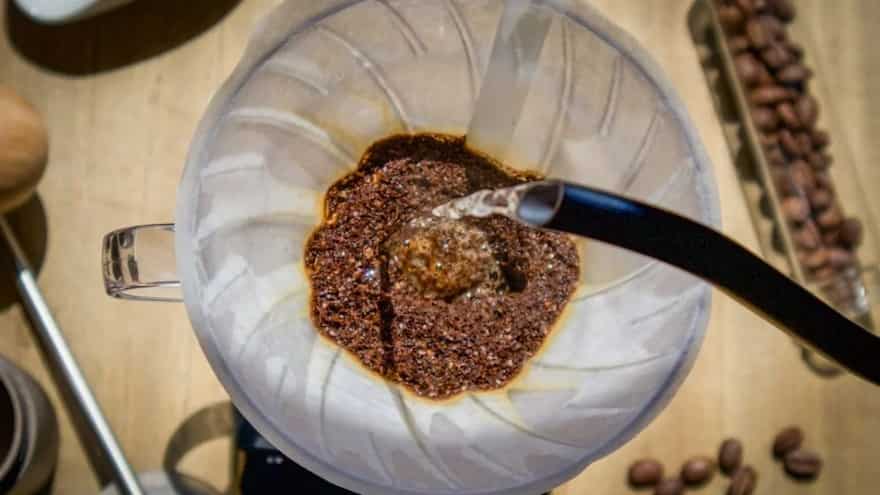
Image Credit: Pexels
Introducing, learning about, and evaluating the flavours and aromas of various coffees is the aim of cupping. It's entertaining to compare the flavours you sense with those of others because everyone detects coffee in various ways.
Until you take part in a cupping, you might not be aware of the variety of scents and flavours present in each bean and mix. When you take the time to smell and taste, you'll often notice undertones of cocoa, berries, citrus, and other flavours. Tasting the variety of beans from various farmers, regions, and crops may be an amazing experience.
Every coffee cup is made in the same manner. In order to guarantee that there is no variance and that your requirements are fulfilled, use the same water at the same temperature and brew via filter at the same time for each cupping. To enable the flavours to emerge before you become blind to them, the coffee is gently chilled. One spoon is placed in the coffee cup, and the other is placed in the taster's mouth. Then, the coffee is most often spit out after the senses take in the entire flavour profile because dozens of coffees and sometimes, even more are often tasted in one sitting. That’s a lot of caffeine!
Creating a vocabulary for characterising your coffee is one of the best methods to improve your cupping and coffee tasting abilities. Your experience will be improved, and your sensory perception will be expanded as a result. Practising palate training and sensory exercises can improve your ability to express your sensations.
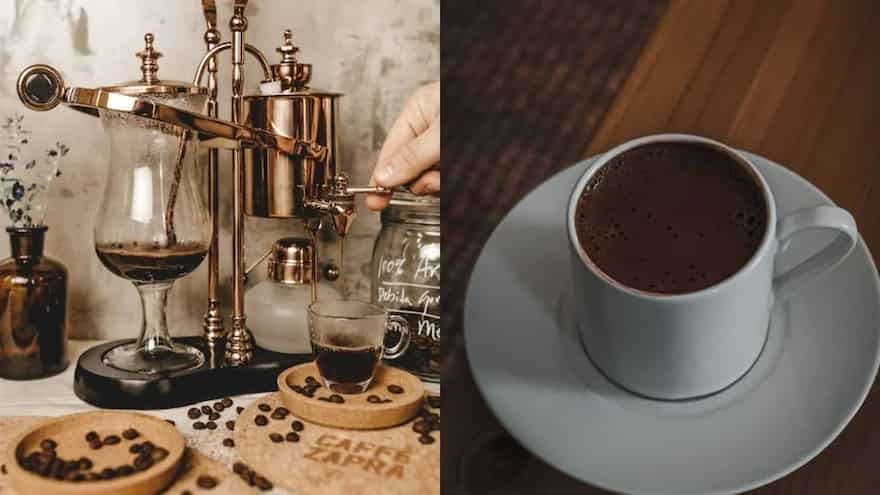
Image Credit: Pexels
Learning Coffee Cupping As A Beginner
Try engaging in various forms of palate training and sensory exercises. Through coffee research, this will also assist you in creating your own coffee-tasting technique. Learn more about the different brewing methods and origins of speciality coffee. This will provide you with a clear picture of how a specific brewing technique might affect coffee's flavour and aroma. You can also try out different coffee lots from various origins to understand each flavour.
You can learn more about coffee taste by interacting with the coffee community through seminars, internet forums, and other means. You can participate in many conversations around coffee and online coffee bean purchases. Additionally, you can share your experiences and learn from coffee professionals.
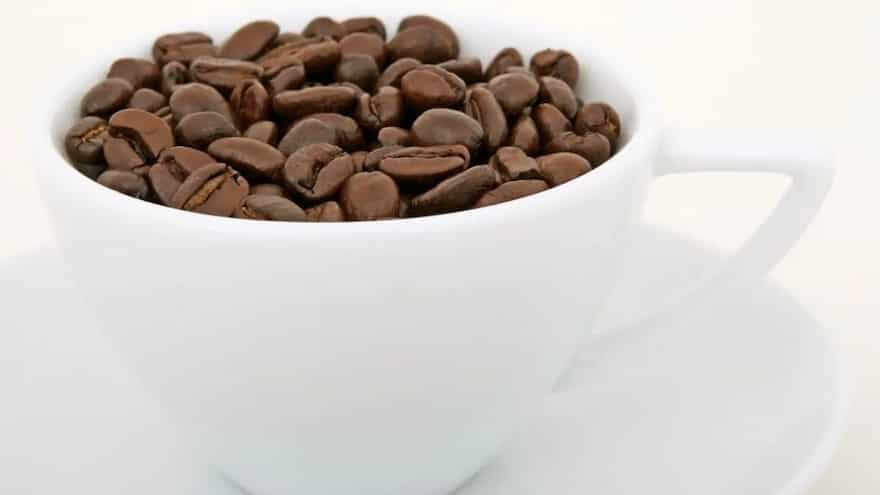
Image Credit: Pixabay
In addition to the bean itself, other factors that affect flavour include the climate, soil, and elevation in which it is cultivated, as well as how the beans are processed and transported. Not to mention the beans' technique of roasting, grinding, and brewing. Numerous factors are involved. The final flavour of a brewed cup of coffee can even be influenced by the water you use! This is just another justification for the importance of coffee cupping.
You may ensure that the quality is maintained at every stage of processing by cupping on a regular basis. When talking about standards, it means talking about the Speciality Coffee Association's (SCA) cupping standards, which everyone around the world adheres to.