


 Share
Share

Introduction
Beetroot has qualities that make it particularly helpful in everyday meals. It is a good source of iron, folate and antioxidants. These nutrients play a role in maintaining healthy blood and supporting energy levels, especially for women, children and vegetarians who may not always get enough iron from other sources. When beetroot is incorporated into roti, the vegetable’s earthiness softens. Its natural sweetness adds a mild flavour without being intrusive, and the vibrant colour brings something new to the plate without requiring major changes to the rest of the meal. What makes it practical is its versatility, it can be paired with a wide range of sabzis, dals or even eaten on its own with curd or chutney.
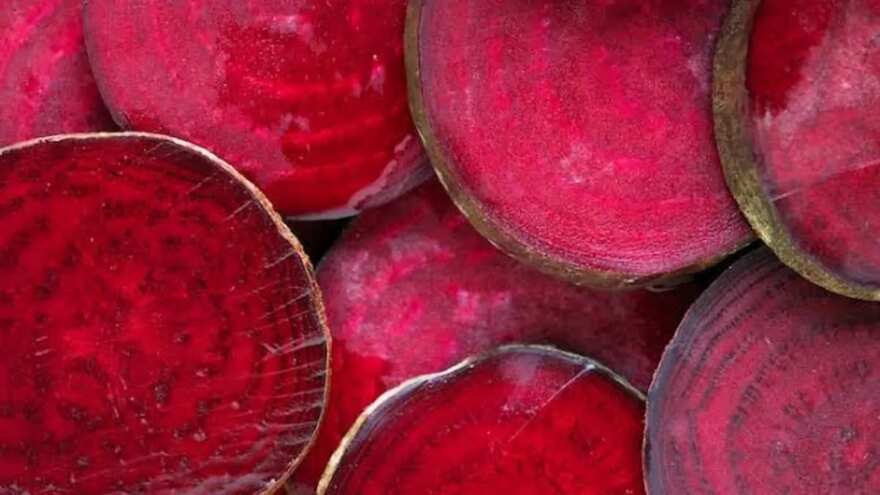
Beetroot Roti Recipe
Ingredients:
- 2 cups whole wheat flour
- 1 medium beetroot (grated raw or boiled and mashed)
- 1 tsp oil (for the dough)
- Salt to taste
- 1/2 tsp ajwain or cumin seeds (optional)
- Water (only if needed)
- Ghee or oil, for cooking
Method:
- In a mixing bowl, combine flour, beetroot, salt, oil, and ajwain or jeera if using.
- Mix and knead into a soft dough. Add water only if needed. Rest for 15 minutes.
- Divide into balls, roll into rotis using dry flour.
- Cook on a hot tawa until both sides develop golden spots.
- Brush with ghee or oil if desired. Serve warm.
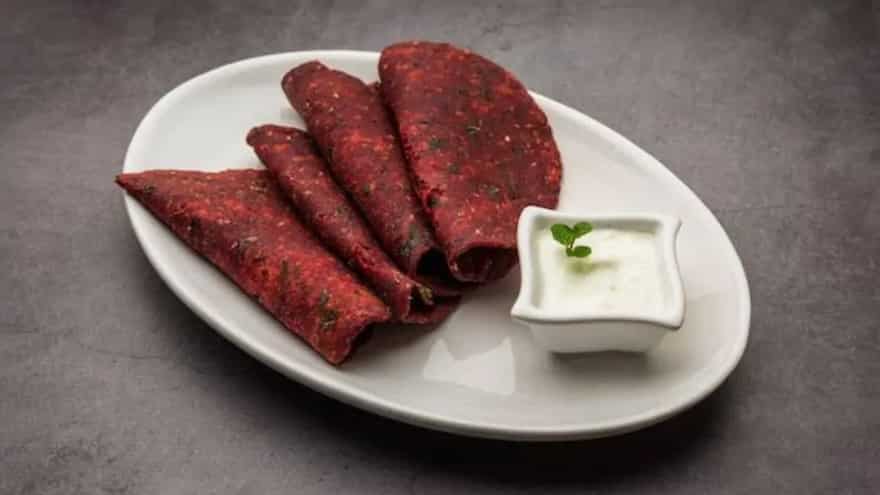
Best Pairings And Serving Suggestions
Beetroot roti pairs well with both strong and simple side dishes. Its slightly sweet undertone works best with sharp or spicy accompaniments. Dishes like baingan bharta, capsicum masala, or dry aloo sabzi bring out the best in the roti’s flavour. On quieter days, a bowl of curd with roasted cumin and a pinch of salt is more than enough to accompany it. Children enjoy it with ghee and jaggery, often rolled up as a snack. Because beetroot roti holds up well after a few hours, it is also a good choice for tiffin or travel food. The colour also makes it visually appealing to younger eaters who might otherwise avoid vegetables in their obvious forms.
Nutritional Benefits Of Beetroot Roti
Many who shy away from beetroot cite its strong taste or the hassle of cooking it. However, when it’s used in roti, the amount is modest and the flavour integrates into the dough rather than standing out. This is one of the reasons it suits family meals where not everyone may be open to eating beetroot cooked separately. Nutritionally, beetroot brings fibre, natural sugars, and compounds that are believed to help lower inflammation and improve blood flow. For those trying to improve their iron intake, combining beetroot roti with foods rich in vitamin C, like lemon juice over sabzi or a raw salad, can help improve absorption.

What To Keep In Mind
While beetroot roti is generally simple to prepare, a few things are worth keeping in mind. Beetroot has a strong pigment that can stain, so using gloves or a steel grater can save some mess. It also releases water, so dough can become sticky if not balanced with the right amount of flour. For individuals with kidney stone issues, beetroot may need to be eaten in moderation due to its oxalate content. But for most people, especially when eaten as part of a varied diet, beetroot roti is a wholesome and low-effort addition.




