


 Share
Share

When Basant Panchami arrives, yellow takes over Indian homes, not just on plates, but in mood and purpose. This year, it will be celebrated on January 23, 2026. This festival reflects the mustard fields extending across North India, signalling the end of the harsh winter season and the beginning of soft spring. Yellow is associated with Goddess Saraswati, representing clarity, learning, and new thought. Eating yellow foods on this day is considered to invite brightness into the mind and warmth into the body. Ingredients such as turmeric, saffron, chana dal, ghee, and seasonal grains inherently have this colour, making the ritual extremely rooted in the kitchen.
These dishes are lighter, sun-kissed, and comforting after having the heavy winter meals. There is also a quiet psychological comfort in yellow; it feels bright, peaceful, and full of energy without being overwhelming. On Basant Panchami, choosing yellow foods is a mindful act, representing knowledge, seasonal change, and positivity.
Why Are Yellow Dishes Considered Auspicious?
Basant Panchami celebrates the arrival of the spring season and is dedicated to Goddess Saraswati, representing learning, knowledge, and revival. Yellow carries a deep significance in this festival as it means mustard fields in colour, fortune, positivity, and vitality. In Indian tradition, yellow is considered to attract clarity, warmth, and good fortune. Seasonal ingredients such as turmeric, saffron, chana dal, and jaggery or gud naturally give a golden hue to the festive dishes. Preparing yellow foods is not just symbolic; it marks seasonal produce, lighter flavours, and the shift from winter heavy dishes to the freshness of spring.
Kesari Sheera
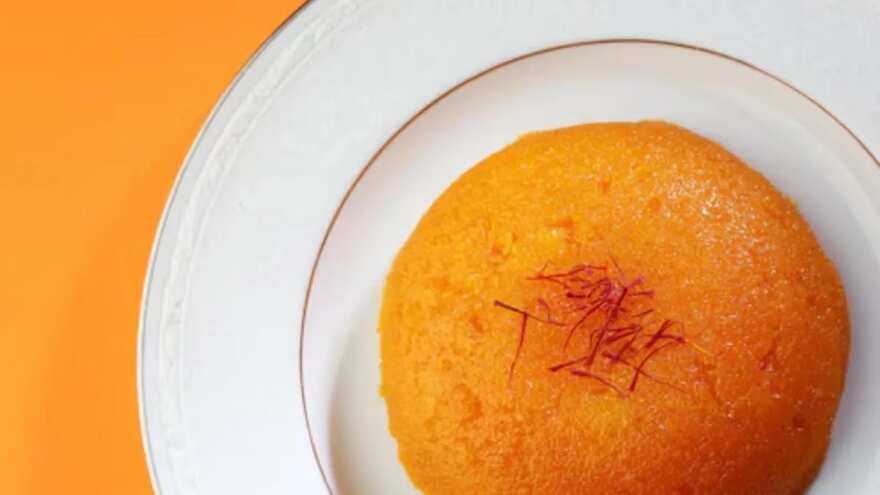
Kesari sheera is a traditional Basant Panchami dessert that shines with saffron and ghee. Suji or semolina is slow-roasted until it gets nutty, then cooked with sugar syrup scented with saffron strands. Ghee gives it richness, whereas cardamom adds to the warmth. The bright yellow colour represents prosperity and new beginnings. Soft, coarse, and fragrant, kesari sheera is offered as prasad on this day. Not only is it easy to make, but also extremely comforting. This dessert feels festive without being too heavy, and is perfect for welcoming spring mornings.
(Image credit: Freepik)
Rajbhog
Rajbhog is a Bengali sweet where soft paneer balls are filled with dry fruits and soaked in saffron-infused sugar syrup. The yellow shade comes from kesar and a hint of turmeric-free natural colouring. The dessert tastes floral, milky, and lightly sweet. Traditionally, it is served during auspicious events. Rajbhog represents abundance as well as celebration. Though it may appear to be elaborate, its preparation involves simple steps, like curdling of milk, taking out chena from it, kneading it, shaping it into round balls, and simmering it in sugar syrup.
Boondi Ladoo
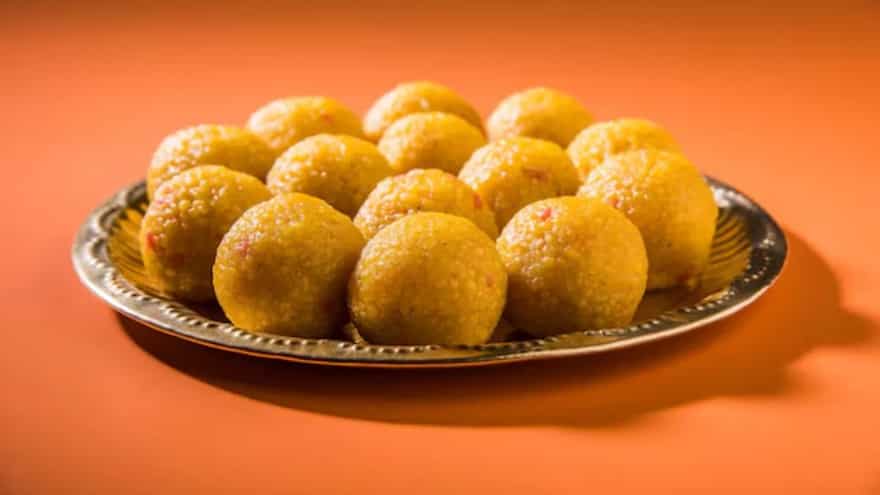
Boondi ladoos are festive favourites that are prepared by frying besan boondi flour until it turns golden, then binding it with warm sugar syrup to make round ladoos. A pinch of saffron or edible yellow colour improves their bright look. Soft from within, having a light crunch, these ladoos are flavoured with cardamom, with bits of cashews and raisins. On Basant Panchami, they represent joy and sharing. It is easy to prepare, they travel well and are a perfect offering at home prayers or for giving to your loved ones.
(Image credit: Freepik)
Chana Dal Payasam
This South Indian-style dessert mixes cooked chana dal with some jaggery, coconut milk, and nuts roasted in ghee. It has a natural yellow shade that comes from dal and jaggery, aligning beautifully with the colour theme of the occasion. Thick, nutty, and lightly sweet, it feels nourishing rather than just being indulgent. Chana dal payasam is important as it symbolises harvest abundance and harmony. It’s slow-cooked but easy, making it perfect for Basant Panchami meals that rely on warmth, tradition, and sattvik tastes.
Saffron Rice Kheer
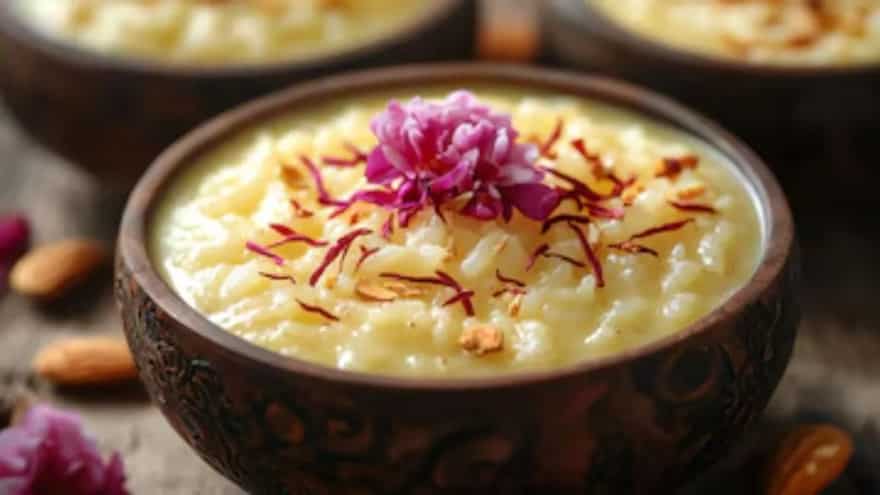
Saffron rice kheer is a light, aromatic dessert where rice is simmered in milk until it gets creamy, then sweetened and scented with saffron. The golden shade feels instantly festive and relaxing. Lightly flavoured with cardamom and garnished with almonds, it’s light rather than being heavy. Traditionally served during pujas, this kheer symbolises purity as well as forbearance. Prepared with basic pantry staples, saffron rice kheer is perfect for Basant Panchami, which is subtle, elegant, and representative of wisdom and seasonal change.
(Image credit: Freepik)




