


 Share
Share

For many people, having a cocktail is just a drink after a long day. But for Simone Caporale, who has been awarded the world's best bartender, it means something far more than this; it is hospitality, sentiment, and storytelling all served in a glass. Widely considered as one of the most influential bartenders in the world, Caporale’s journey into the mixology industry started in 2003 in Italy’s Lake Como region. Long before he was making creative drinks, he was cleaning glasses, organising the bar, and understanding the discipline of the bartending profession. Simone was recently in India for his exclusive masterclass, where he presented cocktails crafted with Cashmir vodka and Camikara rum.
Throwing light on his early days, Caporale demonstrates that bartending does not start with cocktails. “People think the job begins with making drinks, but the first lesson is about respect for the space and understanding the rhythm of a bar.” Over the years, his career took him across Europe, from Italy to Spain and finally to London, where he spent much of his adult life performing in some of the world’s most respected bars. In 2021, he shifted to Barcelona to open his own bar, SIPs, which has since evolved into one of the most talked-about cocktail destinations globally.
Cocktails As Emotional Experiences
On being asked when he discovered cocktails could be more than just drinks, Caporale excitedly remembers looking at guests during his early bartending days. He recalls watching people taste a drink and then catching how their expressions changed to surprise, to curiosity and then to delight. “That reaction made me recognise it wasn’t just about alcohol,” he says. “It was about making a moment.”
Today, that perspective shapes everything at SIPs, his bar. Simone further elaborates that cocktails at SIPs are created not only for flavour but also for fragrance, consistency, and presentation. However, when asked about what the idea behind most cocktails in his bar is, Caporale states clearly: taste comes first above one thing.
“A drink must work even if you close your eyes and taste it,” he mentions, "everything else comes after.” He admits that reaching that balance demands patience. He also mentioned that he tastes the same drink more than 15 times a day, to make even the small adjustments until the flavours feel just right.
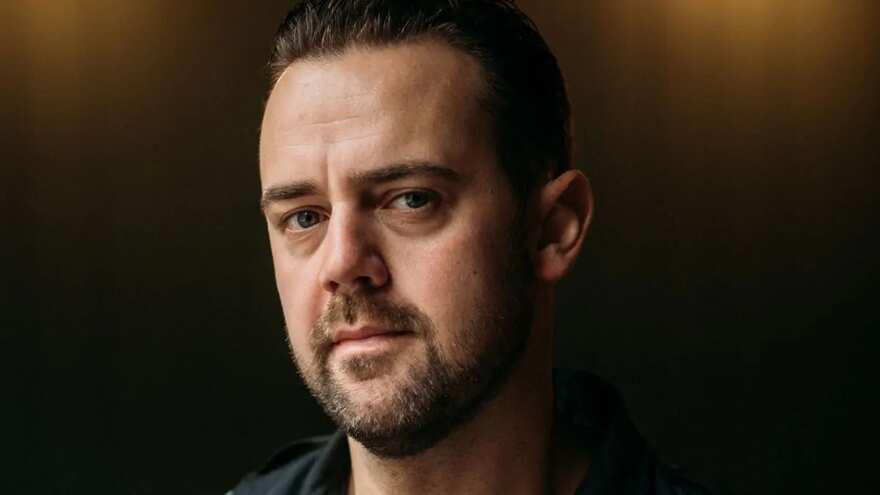
Simone Caporale, Mixologist at SIPs
Bars Are About People, Not Drinks
Despite his reputation as the world's best mixologist, Caporale believes bars are not actually all about cocktails. When asked what makes a bar successful, he mentions that the answer lies in the human connection. “Bars are the place that sells emotions,” he describes, “the drink is just the excuse to step out.”
He mentions bars as a “third place”- a concept often used by sociologists. As per the concept, the first place is the person's home, the second is the workplace, and the third is where society comes together to connect and socialise. For Caporale, making that ambience of warmth and hospitality in the bar is just as influential as the drinks that are served.
Discovering Inspiration In India
Caporale recently visited India for the first time, and the journey left a strong impression on him. On questioning what he asked about Indian flavours and cocktail culture, he states that many ingredients that are commonly used in India, such as saffron, coconut, honey, sugarcane, and spices, already play a great role in international mixology.
“In many ways, these ingredients are already part of cocktails around the world,” he mentions. However, he believes the real potential lies in making distinctly Indian cocktails on an international platform that are based on local culinary traditions. “One day, I would like to hear people say, ‘Let’s go out to have an Indian cocktail,’” he adds, “that would be an important moment.”
Sustainability Behind SIPs
Sustainability is another topic that has been repeatedly discussed in the hospitality sector today. Sharing his thoughts about sustainable practices in bars, Simone approaches the subject thoughtfully. He thinks sustainability is crucial, but that should be understood within a wider context.
“A cocktail bar is already a privileged space,” he shares. “Many people in the world still struggle for basic resources such as clean water.” Rather than turning sustainability into a movement, he practices this into his bar by buying ingredients more thoughtfully and guaranteeing nothing goes to waste. “If I buy something, I appreciate it and use it properly,” he emphasises.
Spirits That Shape Cocktail Culture
Caporale also talked about the spirits that persist in influencing modern mixology. When asked about dark rum, he stresses its deep historical roots. Rum is closely connected to sugarcane, a crop that initially spread westward from Asia, including India.
“Without sugarcane from these regions, rum might not exist,” he adds thoughtfully. On vodka, a spirit often described as neutral, Caporale asserts that its subtlety is actually its strength.
“If vodka had no flavour at all, every vodka would taste the same,” he explains, 'but actually they don’t.” Because the vodka is less dominant than spirits such as gin or tequila, it adjusts easily to the different flavour mixtures, making it highly adaptable to use in cocktails.
Elaborating on how bartenders should approach mezcal, he chuckles and says the key lies in moderation. “It’s a very powerful spirit,” he defines. “Even a small amount can completely change the whole drink.” He also believes that true experimentation cannot happen during busy hours when you are at service. “The best time to make new drinks is before the service or after the bar is closed,” he adds. That is the time you actually come up with something interesting"
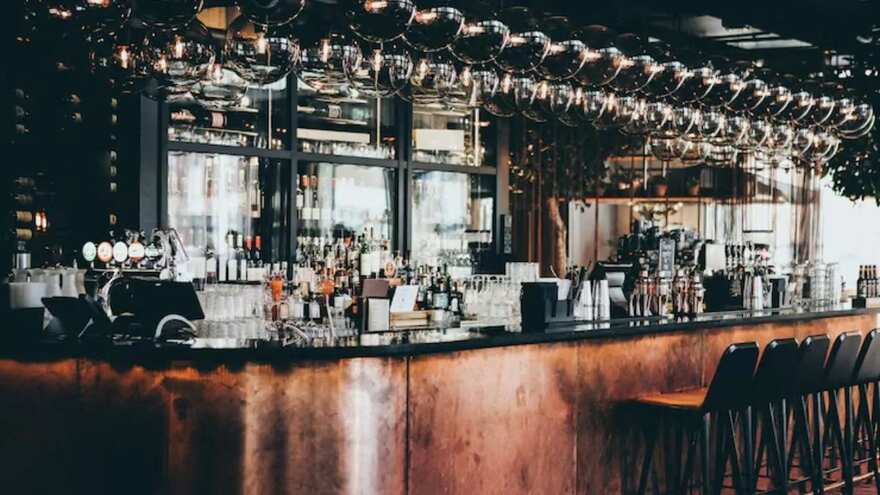
(Image credit: Freepik)
Elevating The Craft Of Bartending
Despite his global recognition, Caporale considers that the future of bartending relies on the collective efforts of the industry and not just one person. When questioned about the future of the mixology industry, he says the aim is to elevate bartending to the same level as respectful as the culinary arts.
“It is everyone’s responsibility,” he states. For Caporale, bartending is not just about making the drinks; it is a craft that mixes hospitality, invention, creativity, and culture. If the industry persists in evolving in that direction, he thinks people will increasingly acknowledge what truly happens behind the bar, not just the drinks that are being served, but the experiences that are being created.




