


 Share
Share

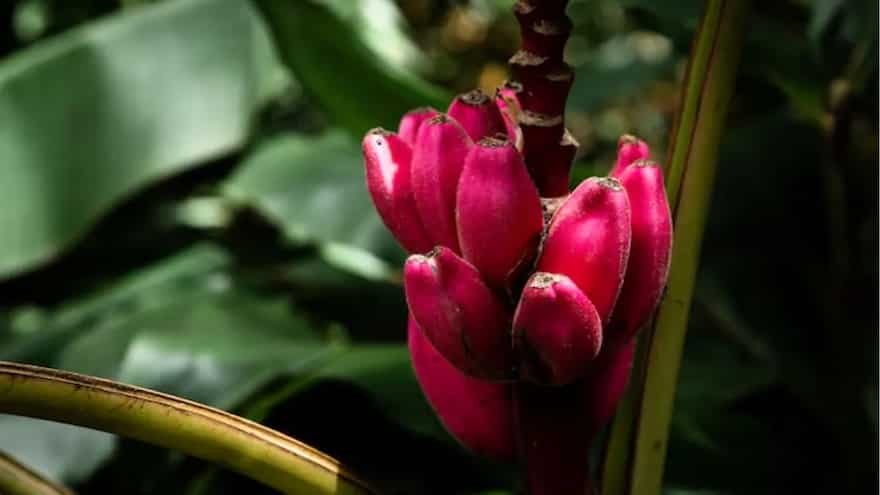
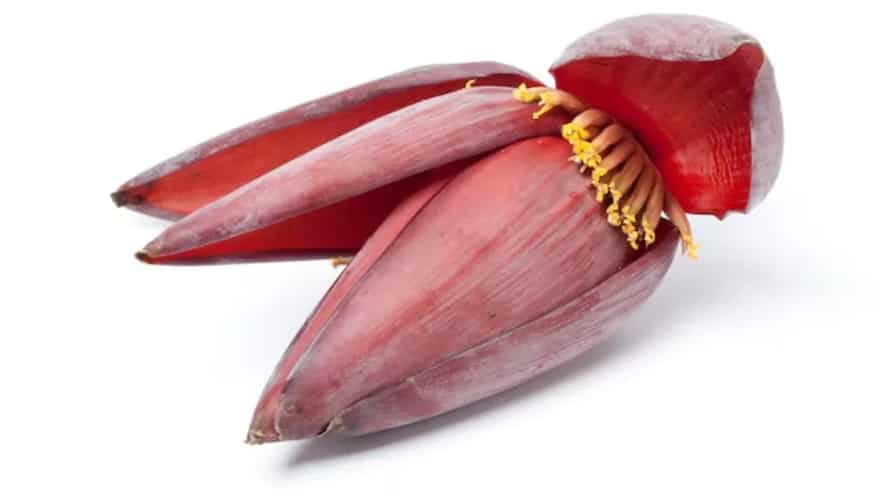
Banana flower may not look instantly inviting at first glance, but across many Indian kitchens, it is still one of the most flavourful and versatile traditional ingredients that has been used for generations. Also called the banana blossom, this deep purple cone-shaped flower buds at the end of banana bunches and is used in South India, Bengal, Maharashtra and North-Eastern cooking. Long before the modern plant-based food became trendy, banana flower was already being used in curries, stir-fries, fritters and also dry sabzis in many homes.
Once cleaned and cooked properly, the banana flower turns soft, a bit meaty in texture and also pleasantly fibrous, making it feel hearty without turning too heavy. Since banana flowers absorb spices extremely well, they become deeply flavourful in regional dishes.
Cleaning banana flowers does require patience because every floret has a hard stamen and a transparent outer layer that needs to be removed. But once prepared, it becomes one of those ingredients that feels incredibly rewarding to cook with, particularly during summer when lighter vegetable-based dishes feel more soothing.
What Does Banana Flower Taste Like?
Banana flower has a layered taste that changes depending on how it is cooked. Raw banana flower can feel a bit bitter and tannic, but after soaking in buttermilk or in the turmeric water, the sharpness softens much. Once cooked, it gets a nutty, earthy flavour.
What makes banana flower even more interesting is how well it soaks up the spices and aromatics. Coconut, mustard seeds, curry leaves, garlic, gram flour and even poppy seeds are beautifully combined with it across many regional cuisines. Some people also compare its texture to the pulled jackfruit or shredded meat because it feels fibrous in bite, particularly in dry stir-fried recipes and cutlets.
(Image credit: Freepik)
How Bengal Uses Banana Flower
In Bengali households, banana flower is popularly cooked into a cuisine called mochar ghonto, which is a mildly spiced dry curry that feels extremely comforting when paired with steamed rice. The cleaned banana flower is boiled first and then slow-cooked with potatoes, ginger, cumin and a little garam masala.
Some homes also add some grated coconut or soaked Bengal gram for extra texture. The final dish tastes earthy, a bit sweet and also spiced without becoming too oily or heavy. Bengali cooking generally lets the natural flavour of the banana flower remain pronounced rather than overpowering it thoroughly with masalas.
How South India Cooks Banana Flower
Across the region of Tamil Nadu and Kerala, banana flower is often used in poriyal or thoran, which is a light stir-fried dish cooked with coconut. The chopped flower is usually cooked or boiled shortly before being sautéed with tempering of mustard seeds, curry leaves, onions and fresh grated coconut.
The result is a dish that tastes fresh, nutty and fragrant rather than being too spicy. In Kerala, banana flower is often used in steamed dishes and lentil-based preparations, where the coconut balances the subtle bitterness beautifully. These recipes often feel particularly suited for humid summer weather because they remain light as well as filling.
Maharashtrian Banana Flower Cutlets
In Maharashtra, banana flowers are turned into crispy cutlets or vadis. The flower is finely chopped, cooked and mixed with gram flour or besan, chopped onions, coriander and mild spices before shallow frying them.
These cutlets taste savoury, crisp from the outside and soft from within, making them work well as tea-time evening snacks. Since banana flower already has a naturally strong texture, the cutlets feel whole and crisp even without using potatoes.
(Image credit: Freepik)
North-Eastern Banana Flower Cooking
In parts of Assam and other North-Eastern states, banana flower is cooked far more simply to maintain its natural taste. It is often first boiled lightly and mixed with herbs, mustard oil, green chillies or fermented ingredients.
The flavours remain clean, sharp and less spice-heavy as compared to many other Indian styles. Some tribal preparations also smoke or dry some parts of the flower to get a deeper flavour. These dishes highlight how adaptable the banana flower actually is across completely diverse culinary traditions.
How To Clean A Banana Flower Before Cooking
Cleaning a banana flower may look complex at first, but once you know the process, it becomes much easier to cook with it. The flower contains many tightly packed florets, and each one has tiny parts that can feel hard or bitter if left inside while cooking. Here's how to cook and peel the banana flower:
Remove The Hard Stamen Carefully
Every small floret within the banana flower has a stiff, stick-like stamen in the centre. Pulling this out helps in improving the texture and prevents the bitterness in the cooked dishes.
Peel Away The Transparent Outer Layer
Along with the stamen, each floret also has a thin, transparent, petal-like layer. Removing it makes the flower softer and easier to chew after it is cooked.
Keep Chopped Banana Flower In Turmeric Water
Banana flowers get brown after cutting because of oxidation. Soaking it in turmeric water or diluted buttermilk helps in reducing the bitterness and preventing the blackening.
Oil Your Hands Before Cleaning
Banana flowers have sticky sap while it is cleaning, which can stain fingers and be hard to wash away afterwards. Applying oil lightly to the hands before cutting helps greatly.
Cook It Well To Soften Texture
Banana flower generally tastes best after it is boiled properly, steamed, or slow-sautéed. Undercooking can often leave it fibrous and a bit harsh rather than soft and flavourful.




