


 Share
Share

Pavlova is a delightful festive meringue-based dessert with an appealing crispy or crunchy outer shell and a delicately soft, moist and marshmallow-like centre. It is decorated with a glossy topping of whipped cream and loads of colourful fruits that enhance this decadent cake's beauty and taste. It is traditionally served during celebrations and holiday meals in major countries like Australia and New Zealand. This dessert is generally eaten all year round, especially in the summer, and is famous during Christmas. With global desserts always playing a major role in festive celebrations around the world, let’s dig into the little tidbits around festive pavlova and how it is claiming its spot in the world today.
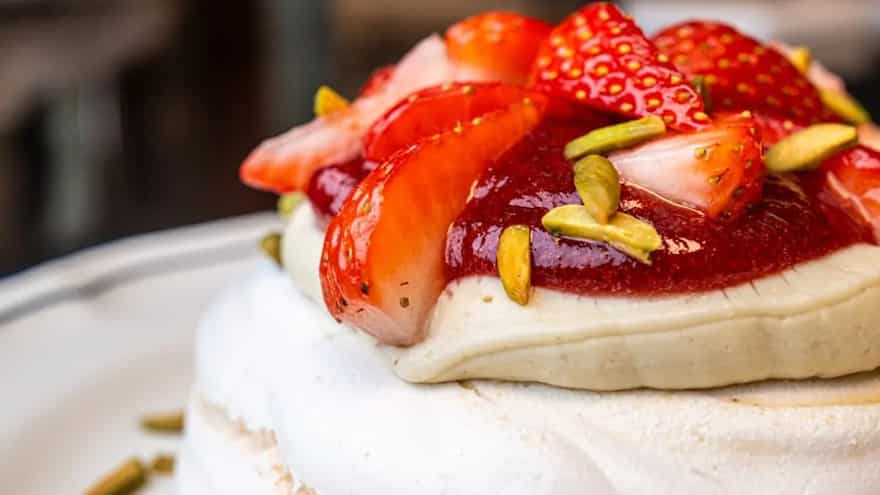
Image Credit: Pexels
Twirling History Of The Christmas Pavlova
It's still unclear where this cake originated, and pavlova is thought to have multiple birthplaces. It is believed that pavlova was born in either Australia or New Zealand. According to the first theory, this dessert originated in Australia, where a comparable dish was found in the 1800s. This dish was referred to as a "cream cake" even though it was not yet known by that name and resembled the contemporary pavlova. Since a recipe for "strawberry pavlova" first appeared in the local newspaper in the early 19th century, some people think that festive pavlova originated in New Zealand. According to some academics, this lush desert originated outside of both nations.
The story completes itself with the belief that it was later brought to the United States, where German-speaking immigrants introduced meringue, whipped cream, and fruit desserts. Thankfully, one sure thing is that this classic dessert is named after the Russian ballerina, Anna Pavlova. However, the nationality of its creator has been a source of argument between the two nations ever since this heavenly dessert came into being.
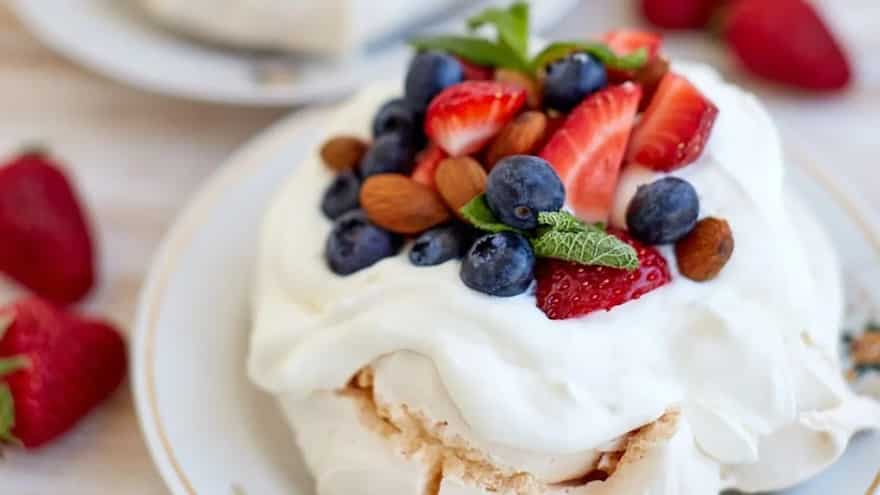
Image Credit: Pixabay
Without a question, the creation of the pavlova was an innovative success—a reaction to the ethereal grace and lightness that this remarkable ballerina symbolised. Inspired by her grace, chefs set out to make a dessert that would perfectly capture these attributes, which is how the pavlova came to be. In contrast to the heavier options that were popular at the time, the festive pavlova dessert introduced a novel texture to the dessert world.
A Timeline Of Trends, Tastes & Twists
Pavlova has evolved in a lot of interesting ways over the years. It started as a straightforward meringue with a soft centre, but it quickly evolved into a delicacy that home cooks and bakers could experiment with. By adding a variety of toppings with traditional fruits like kiwi, strawberry and progressing to tropical ones like passion fruit and mango.
Many different variations appeared. While some cooks experimented with different sugars to achieve the crunch or sweetness, others used cornflour or vinegar to help the meringue maintain its shape. Pavlova became an ever-evolving dessert as it adjusted to new flavours, fruits, and concepts over time.
With its fluffy meringue base, festive pavlova may be the star of the show, but it's by no means the lone member of the global meringue squad. Let’s take the traditional meringue from France. It is crispy, airy, and typically laden with fruit or cream. Then you have Italy entering the fray with its rendition of torta pavlova, frequently incorporating chocolate or almonds for added drama. Traversing through Britain, you get the Eton mess, which is essentially the unruly cousin that smashes everything together, including strawberries, cream, and crushed meringue.
Why Christmas Pavlova Is A Modern-Day Dessert Icon
If you're fascinated by Instagram's attractive-looking cakes, often topped with floppy blooms and a casual coating of frosting and want to try your hand at a decorative dessert, start with a festive pavlova. You'll enjoy the excitement of assembling without having to, well, create a cake. That’s why it’s so popular on social media.
Make sure the bowl you mix the ingredients in is meticulously cleaned before setting out your parchment-lined baking pan. Your whites won't rise sufficiently if there is any oil present. One egg to two ounces of sugar is the required ratio, which is simple enough to remember when you're on summer vacation and away from a cookbook. A small amount of acid, such as lemon juice or white wine vinegar, will guarantee a chewy, soft centre.
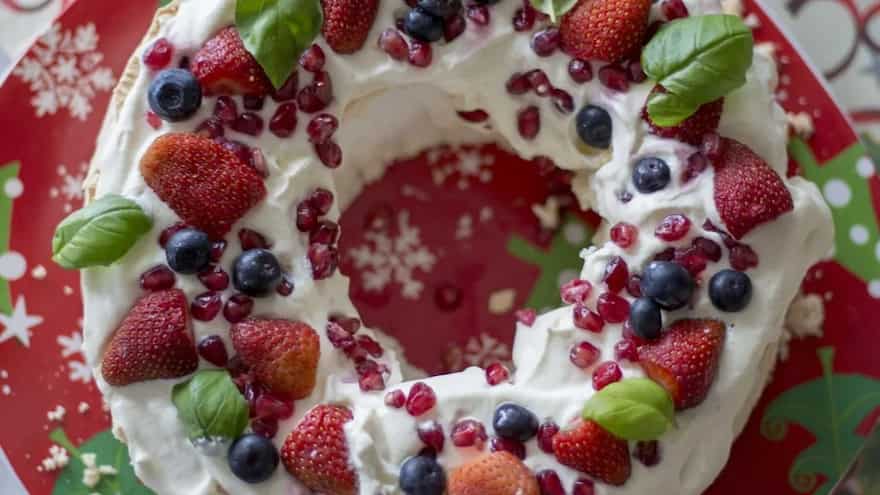
Image Credit: Pixabay
The fact that everything can be prepared in advance makes pavlova a terrific dessert. Prepare your pavlova and all of your toppings, which can be store-bought ice cream or freshly whipped cream, along with a handful of berries. Then just put everything together before supper. You can bake a festive pavlova for picnics, parties, weddings or just ike that by whipping their egg whites to firm peaks, and top them with anything from pulverised, dehydrated strawberries for a toddler who loves pink to candied hazelnuts, fresh apricots, and calvados cream for grown-ups.




