


 Share
Share

Chikoo is one of those fruits that feels like it is made for desserts. It is naturally soft, blends smoothly, and has a rich, caramel-like taste that works beautifully when used in cakes, muffins, and breads. But that same sweetness can become too much, particularly when mixed with sugar, butter, or even chocolate.
The key to using chikoo nicely in baking is not to use it like just any other fruit. It behaves more like a natural sweetener and a moisture booster, also at the same time, which means you will have to adjust other ingredients around it, particularly sugar, fat, and even the type of flour you are using. Once you get the hang of this, chikoo will become surprisingly easy to bake with.
It can make your bake feel soft, more decadent, and more full of flavour without depending too much on added sugar. Here are some simple, useful ways to utilise chikoo in baking, if you are using it while maintaining the sweetness just right.
Reduce Added Sugar When Using Chikoo
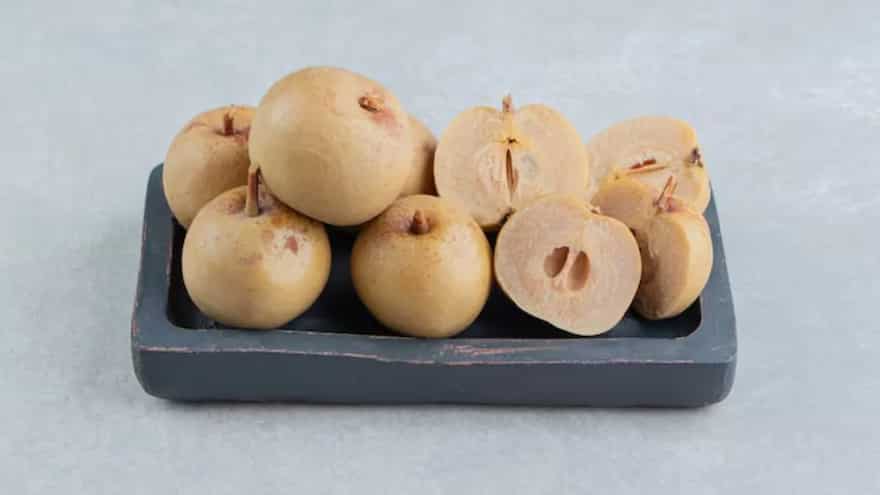
Chikoo already has a deep, natural sweetness, so adding the usual amount of sugar can make your bake too sweet. A simple way to fix this is by cutting down sugar by at least one-third of your regular use. For example, if you are baking a basic cake that uses one cup of sugar, reduce it to half or two-thirds when you add chikoo puree to it. Taste your batter before you keep it to bake, as it gives you a rough idea of the sweetness. This adjustment will keep the flavour balanced and let the chikoo shine out without overpowering everything else.
(Image credit: Freepik)
Pair It With Ingredients That Balance Sweetness
To avoid that too-sugary feel, mix chikoo with ingredients that add contrast to it, like cocoa powder, coffee, nuts, or even a pinch of salt to it. For instance, if you are making muffins, add the chopped walnuts or a bit of dark chocolate to cut through the sweetness and add depth to it. Even something as simple as a pinch of cinnamon or cardamom can also shift the flavour profile. These additions do not just reduce the sweetness, but they also make the bake feel more rounded and interesting.
Use It As A Partial Substitute, Not The Main Base
Instead of making chikoo the chief ingredient, use it to substitute part of the wet ingredients, such as butter or oil. In a loaf cake, for example, you can replace half the butter with the chikoo puree easily. This keeps the texture soft and moist while maintaining the sweetness. If you use too much of the chikoo as the main base, the bake can turn dense and too sweet. Keeping it as a supporting ingredient will help in maintaining the balance while still enjoying its flavour.
Choose Slightly Firm, Not Overripe Chikoo
Overripe chikoo is much sweeter and can make your bake cloying. A bit firm, just-ripe chikoo has a softer sweetness and works better in baking. Like, if you are making pancakes or quick breads, using less ripe chikoo gives you more control over how the final taste will be. It also holds a better structure when blended. This small selection will make a big difference in how your dessert will turn out.
Add Texture To Break The Sweetness
Soft, smooth desserts can often feel sweeter than they actually are. Adding the texture will help balance that. For example, if you are baking a chikoo cake, topping it with seeds, nuts, or even a light crumble can make each bite feel less sugary. In cookies, mixing in oats or crushed nuts can also give it a contrast. Texture slows down how sweetness is sensed, making the dessert feel much lighter and more balanced.
(Image credit: Freepik)
Balance It With A Slightly Savoury Element
A slight savoury touch can totally change how sweet a dessert feels. You may have seen or heard of adding a pinch of salt, as it is the easiest way, but you can also test with ingredients such as peanut butter or even a light cream cheese swirl to give a bit of savoury touch. For example, a chikoo loaf with a little salted topping will feel far more balanced than just a plain one. This method does not reduce sugar, but it changes how your palate will experience it.




