


 Share
Share

The idea of a curry base is straightforward but powerful. It is the stage on which ingredients perform, the part of the dish that binds everything together, and the element that gives identity to a cuisine. Each region of India has its own established way of preparing these bases, often rooted in the use of local spices, oils, and cooking fats. In the North, tomatoes and onions dominate, while in coastal areas coconuts create creaminess. In the East, mustard gives sharpness, and in the South, ground spice pastes bring intensity. By mastering a few of these bases, you can bring remarkable variety to your kitchen and recreate dishes that feel true to their origins.
North Indian Onion–Tomato Base
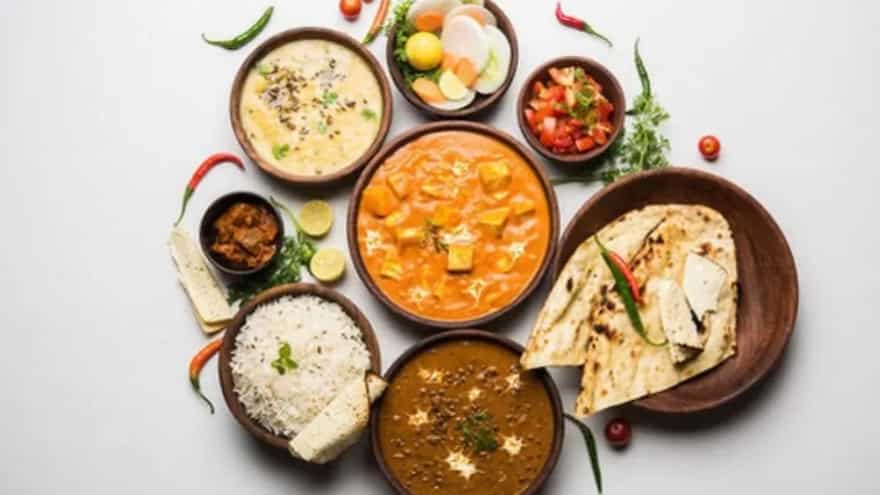
In North India, most restaurant-style curries and many home recipes begin with onions and tomatoes. The onions are cooked until golden brown, which creates sweetness and depth, before tomatoes are added for acidity. Ginger, garlic, turmeric, cumin, and coriander complete the foundation. Once this mixture is cooked down, it becomes a versatile masala that can be used across dishes.
Recipe ideas:
Paneer Butter Masala prepared by adding cream, butter, and garam masala to the onion–tomato base.
Chana Masala where boiled chickpeas simmer in the same foundation with additional dried pomegranate seeds or amchur for tang.
Murg Curry where chicken pieces are cooked directly in the masala and finished with coriander leaves.
Bengali Mustard Base
The Bengali kitchen is strongly associated with mustard. The base is often made from mustard oil, mustard seeds, and a paste of soaked mustard seeds blended with green chillies. The sharpness of the mustard and the punch of the chillies create a distinct flavour that pairs especially well with freshwater fish.

Recipe ideas:
Shorshe Ilish, the iconic Hilsa curry, made by simmering fish in a mustard paste base with turmeric.
Aloo Shorshe, where boiled potatoes are coated in mustard paste, mustard oil, and nigella seeds.
Begun Shorshe, a dish of aubergine slices cooked in mustard sauce that carries both pungency and richness.
Goan Coconut Base
Goan curries reflect the abundance of coconut and the influence of both Indian and Portuguese traditions. The curry base here usually involves grinding fresh or dried coconut with red chillies, coriander, cumin, garlic, and tamarind. This paste is then cooked with coconut oil or neutral oil until it releases its fragrance. Vinegar often finds a place in Goan curries, adding a slight sourness.

Recipe ideas:
Goan Prawn Curry, made by simmering prawns in a coconut and tamarind base with a little vinegar.
Vegetable Caldine, a mild yellow curry where vegetables are cooked in coconut milk enriched with turmeric and green chillies.
Xacuti, a spiced coconut base curry that works well with chicken or lamb, featuring roasted spices and grated coconut.
Kashmiri Yogurt And Fennel Base
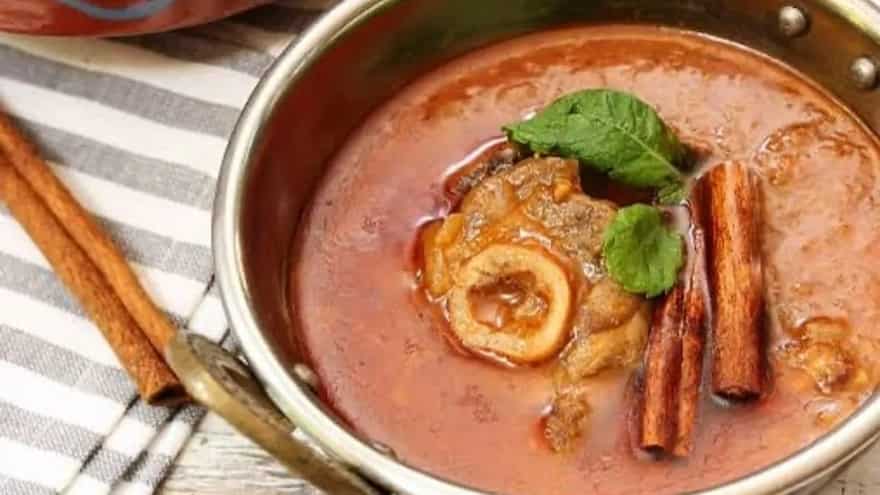
Kashmiri cooking often avoids tomatoes and instead relies on yoghurt thickened with ground fennel and dry ginger. Kashmiri red chilli powder gives the base a deep red hue without overwhelming heat. This style of base creates curries that are light yet aromatic, allowing the main ingredient to shine. Care must be taken to stir the yoghurt continuously so it does not curdle during cooking.
Recipe ideas:
Rogan Josh, a slow-cooked lamb curry where meat is simmered in yoghurt, fennel, and dry ginger.
Yakhni Curry, where mutton or chicken is cooked in a yoghurt–fennel base scented with cardamom and bay leaves.
Nadur Yakhni, a vegetarian version that uses lotus stem instead of meat.
Gujarati Peanut And Sesame Base
Gujarati curries often use ground peanuts and sesame seeds, which provide creaminess and nutty flavour. Jaggery and tamarind are added to balance sweetness and tang, while mustard seeds and cumin are used in the tempering. This base has a distinctive taste that is both earthy and light. It is commonly used for festive dishes and seasonal vegetable curries.

Recipe ideas:
Undhiyu, the winter vegetable speciality, where the peanut and sesame base holds together an array of root vegetables and beans.
Sev Tameta nu Shaak, a tomato curry thickened with peanuts and balanced with jaggery, topped with crisp sev.
Dapsi Curry, where ridge gourd or bottle gourd is cooked in a sweet–sour peanut and sesame base.
Chettinad Spice Paste Base
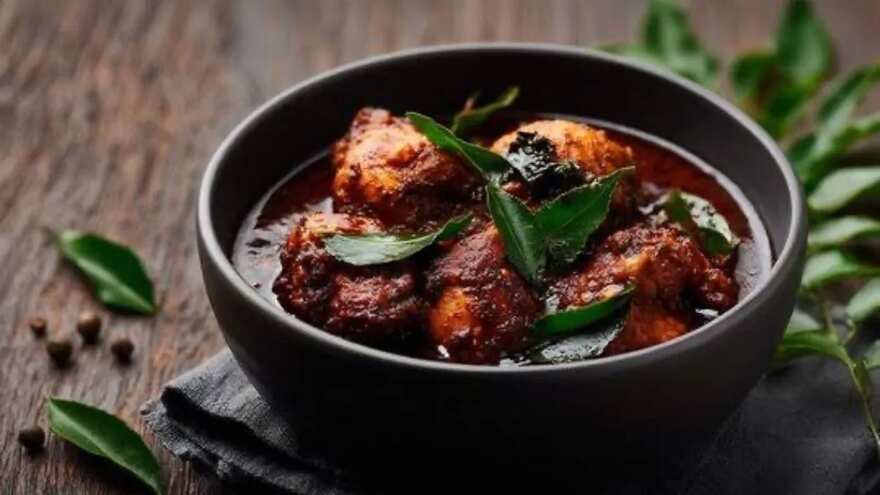
The Chettinad region of Tamil Nadu is famous for its complex spice blends and dark, intense curries. The base here is a freshly ground paste made from roasted spices such as black pepper, fennel, coriander, dried red chillies, and coconut. Each spice is roasted to the right degree before grinding to release its aroma and prevent bitterness. The paste is then fried with onions until it forms a powerful curry base.
Recipe ideas:
Chettinad Chicken Curry, where chicken pieces are simmered in the spice paste, creating a dish with deep heat and fragrance.
Vegetable Chettinad, a version where beans, carrots, and potatoes are cooked in the roasted spice base.
Chettinad Egg Curry, where boiled eggs are coated in the dark spice paste and served with rice or appam.




