


 Share
Share

Of the many things that make an opulent and delicious cheeseboard, combinations are only one aspect of their success. A key factor to getting the grazing platter right mainly involves getting the textures and temperatures right. Ribbons of honey on creamy brie or a morsel of crusty baguette with nutty gruyere tastes infinitely better when relished at a wine bar or bistro than when one assembles and serves it at home. Don’t get us wrong, cheese is always great! But what really matters more than just understanding pairings, flavour and varieties is doing justice to the investment in the expensive ingredients - ensuring that their taste is primed and ready for upcoming bites.
Portion Right
When serving hard cheeses, it is ideal to slice, wedge or crumble them before placing them on the board. Similarly, soft cheeses like Camembert, Taleggio or brie do well when placed outside the refrigerator a couple of hours before they’re placed on the board, unless it is going to be exposed to a heat source and served melted. It is to some merit that they are placed correctly on the platter when still cold, since when the rinds start to ‘weep’, moving them can be a tricky exercise.
Plan Ahead
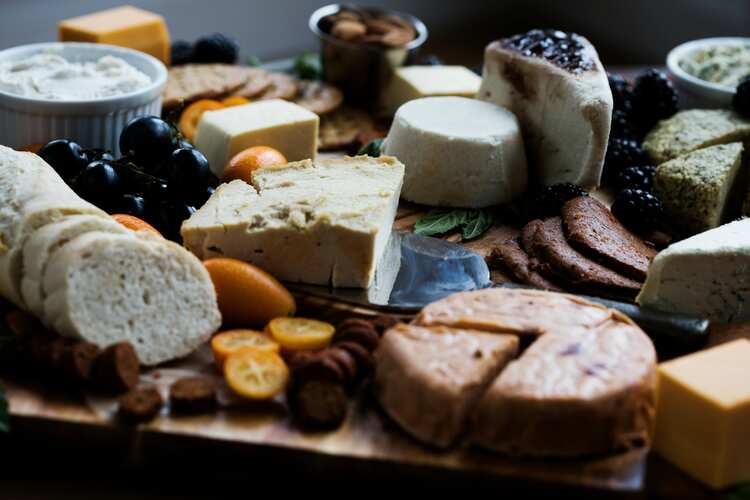
Giving oneself a headstart to prepping cheeses for a grazing board should begin at least two hours before it is ready to serve. The portion size plays a crucial role in determining how much time cheeses might need to be prepared for eating; for example, a small pile of blue cheese might need much lesser time as opposed to a palm-sized wheel of brie to get to an optimum temperature. It is advisable to cover the cheeses with plastic wrap or a kitchen towel to prevent them from drying too quickly or being exposed to bacteria.
Also Read:
Adjust The Room
If the kitchen space or hosting area is warm, ensure that the cheese tray is placed outside just an hour prior to serving. Alternately, during colder climes, cheeses might need anywhere between 2-3 hours to get to their edible stage. Assess and adjust the timing according to what any particular day’s weather feels like, since moisture build-up on the cheeses does not lead to a pleasant eating experience, especially when dipped or placed over other accompaniments.
Check For Cues
Visual cues indicate when cheeses are ready to serve - soft cheeses begin to slump around the edges, firmer cheeses remain hard in their natural form and not refrigerator cold while the aromas of both become full fledged and enticing. Moreover, the best way to know if they’re good to be eaten is simply by tasting a little bit of each before they’re served to guests since tempering cheese not only highlights great flavour of the dairy but also the cold cuts, preserves and breads served with it.
Pair salty cheeses with briny olives for an umami-packed punch and creamy cheeses with sweet figs or dried apricots for a sweet-salty juxtaposition. Fresh cheeses like bocconcini or labneh do well in spotlighting richness alongside accompaniments such as Marcona almonds. Additionally, include sharp, mouth-puckering pickles, fresh grapes or apple slices to provide crunch and refresh the palate between bites of strong cheeses. For everything else, include freshly baked and sliced baguette, crackers and breadsticks on the side.




