


 Share
Share

Using salt while cooking comes naturally to everyone who spends enough time in the kitchen, given how indispensable its inclusion is in food. From highlighting the flavours of ingredients to preservation to having an effect in how textures transform, the ingredient is more than just seasoning. When used in the right quantities and opting for the right kind, harnessing the effect of salt in cooking is more than just understanding how much to use ‘as per taste’.
Understanding Types Of Salts
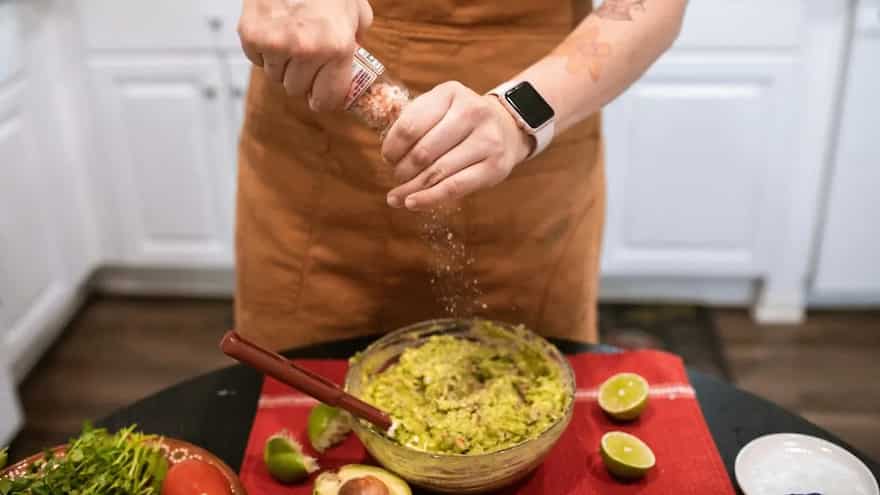
Image Credits: Unsplash
While the chemical composition of most edible salts aren’t different from one another, what sets them apart is the density which impacts texture and dissolution. In that context, the large, coarse grains of kosher salt are most ideal for ‘pinch’ing and sprinkling as well as cost-effective to make it a kitchen staple; making it easy to use more of. Similarly, table salt – a less expensive version of kosher, flows easily and can be used to amplify savoury flavours of food whenever needed. On the other hand, sea salt – harvested directly from the ocean, has larger crystals that deliver intense salinity that is best used to finish dishes.
Seasoning On-The-Go
A crucial tip to make food taste better is to layer the seasoning while gradually adding ingredients into a pan. This enables scope for maximum deliciousness while also balancing other profiles of sweet, tart, bitter and acidity. Ideally, it is better to be cautious with salt when cooking dishes with low moisture levels or those that utilise minimal liquids since the risk of over-salting is higher. Inversely, using salt generously while making soups, gravies or stocks yields best results when brought to optimal seasoned levels as it cooks.
Also Read:
Dry Brining
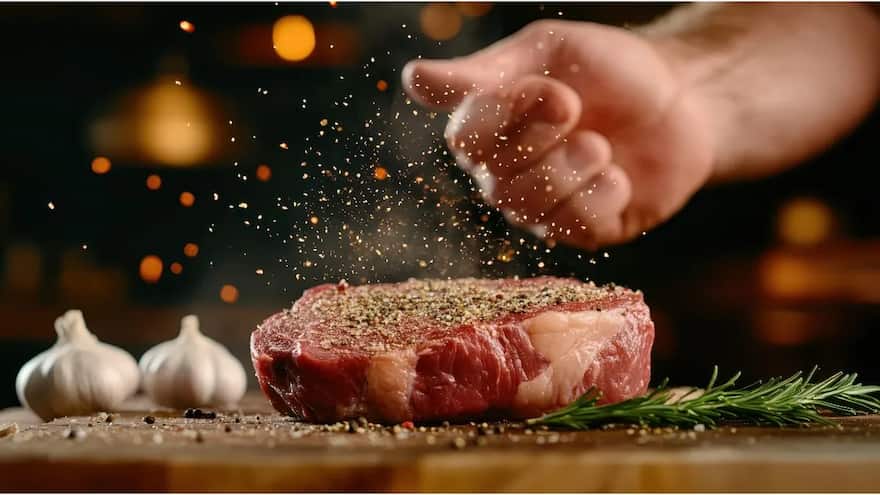
Image Credits: Adobe Stock
The risk of a wet brine means trading flavour for dilution and moisture. However, dry brining meats draws out moisture to enhance its juiciness and flavour while also seasoning the meat from within. The penetration of salt restructures muscle proteins of the meat cut, which contract and expel moisture – making the crust crisper and the centre tender simultaneously. In short, the longer meat is dry brined, the chances of it being moist become higher along with chances of it browning evenly on the outside.
Food Preservation
Understanding and learning the process of fermenting foods at home results in ingredients turning better tasting and more flavoursome. Salt is key to preserving or ‘curing’ meats, pickling vegetables, fermenting soybeans for miso and even lacto-fermenting vegetables to retain their crisp freshness. Using salt inhibits bacterial growth while also reducing the chances of spoilage while seasoning the product enough for it to be used as is, in combination with other ingredients.
Salting Pasta Water
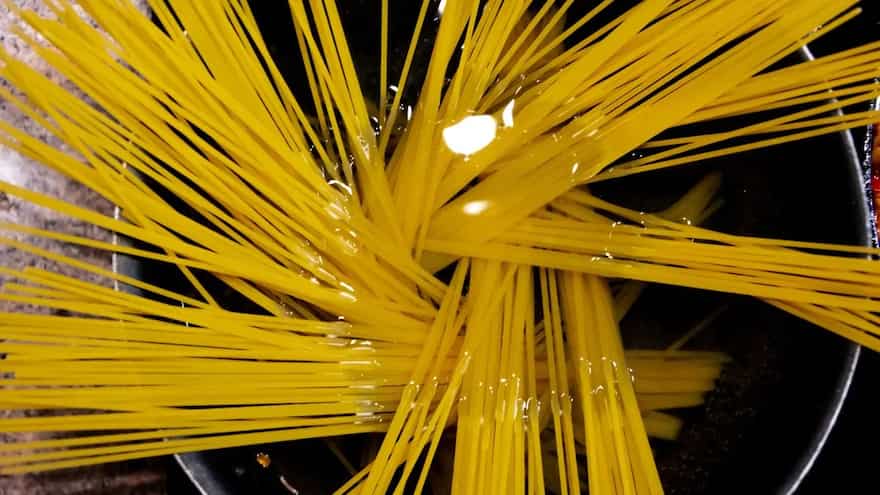
Image Credits: Unsplash
While social media describes pasta water as ‘tears of the pasta gods’; some even comparing it to sea water, salting the water in which pasta cooks excessively could potentially hinder using the starchy liquid to finish off the final dish. Since most pasta sauces cook separately than the carbohydrate, they’re pre-seasoned prior to the addition of the pasta. Additionally, pasta absorbs flavour as it softens and so excessive salt would mean an over-seasoned pasta even before it is mixed in with the sauce.




