


 Share
Share

Much like food, there is virtue in experiencing the true impact of design by being immersed in its features. Creating a way to merge both as a way to shape conversation around the result of such a collaboration became the essence of the result was the immersive Food × Design experience staged within the expansive grounds of Signature Estates, a 101-acre villa community. Called Palate by Design curated by Nitya Reddy of Ramky Signature One Pvt Ltd brought together seven celebrated designers and restaurants to create temporary worlds where spatial design, flavour and atmosphere existed in conversation across two days.
As guests wandered between installations which were intended to be part exhibition, part tasting experience—each offered its own interpretation of the relationship between environment and cuisine. The collaborations included Sarah Choudhary of Habitat who joined forces with Ekaa, Abin Chaudhuri with Izumi and a compelling pairing of Apoorva Shroff from Lyth Design with Praça Prazeres, led by chef and co-founder Ralph Prazeres. Presenting a menu rooted in refined European technique interpreted through the warmth and hospitality that define his Goan restaurant, precise, restrained and quietly confident showcase of the menu anchored the experience.
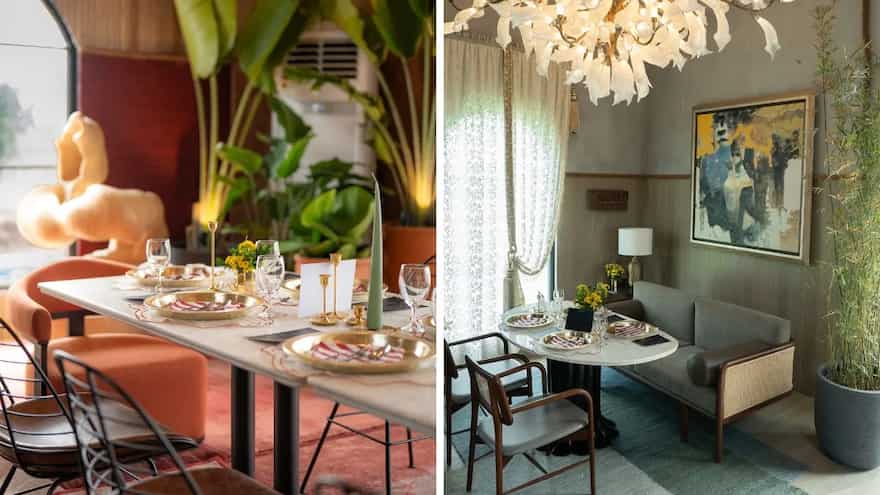
Set across gently undulating land on the outskirts of Hyderabad, Signature Estates was conceived as a residential environment shaped as much by landscape as by architecture, an intentional departure from the density that characterises most contemporary gated communities. Providing the conceptual backdrop for Palate by Design, the architectural ethos rooted in restraint and intention translate the estate’s philosophy into an experiential one. The idea was simple—invite leading designers and chefs to create installations that interpret the relationship between space and taste. Each collaboration combined a spatial narrative with a culinary one across seven distinct environments, where food and design unfolded in unision. Among some of the participating restaurants were Ekaa, The Table, Izumi, Indian Accent and Tehzeeb. Embodying the spirit of the event amongst this ensemble was the one that paired designer Apoorva Shroff with Praça Prazeres.
Curious Contemporary: The World Of Praça Prazeres
The installation explored the intersection of Indian modern design and Goan culinary expression, reflecting the ethos of Raplh’s restaurant in Goa itself. Located in Assagao, it has earned attention for its take on European food—elegant yet approachable, technical yet rooted in hospitality. For Ralph, participating in Palate by Design offered a chance to extend that idea beyond the walls of his restaurant. “Our focus on elevated European fare aligned naturally with Apoorva’s design approach,” he says. “Both of us think about craft through materiality, geometry, and detail. Each dish was composed with the same intentionality as the space, allowing flavour and experience to exist in a thoughtful balance.” The collaboration began even before the chef and designer could meet, which eventually happened at the event itself. With both being briefed separately about the concept, Ralph was invited to see the complete installation, where he felt that the space uncannily aligned with the spirit of his cooking. “She understood what we stand for at Praça—the warmth, the Goan hospitality, the comfort. The setting translated those feelings into a space where we felt we belonged,” he recalls.
Also Read:
Focus On Simplicity & Precision
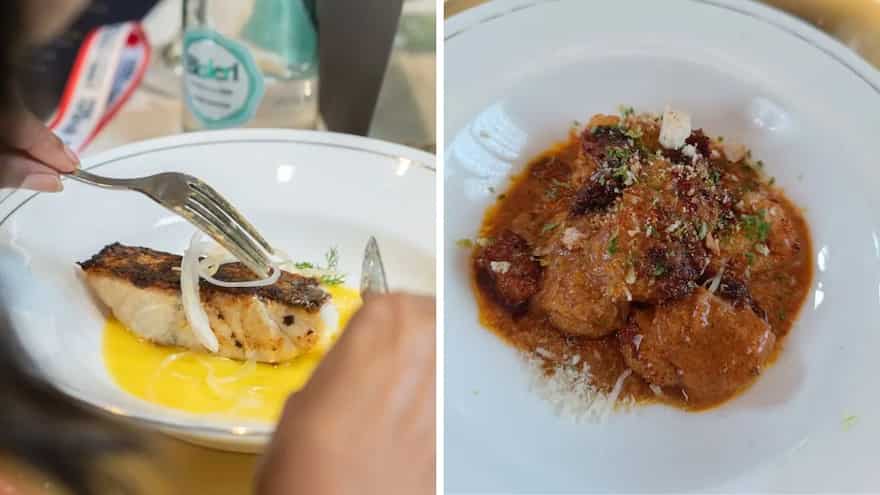
In an attempt to return simplicity to restaurant dining, the menu drew from classic European traditions but without complexity or trend-driven theatrics. Instead, the emphasis laid on technique, ingredient quality and balance. Kicking off with a Leek & Potato Soup served with a buttered slice of toasted sourdough, the allium notes harmonised with the creamy texture of the dish. Rather than creating dishes designed purely for spectacle, Prazeres focused on compositions that reflected the restaurant’s refined yet unfussy perception. This was particularly significant in the crispy-gooey Chicken & Cheddar Croquettas that nestled on a smear of paprika mayo, as well as the Gnocchi with Goan Sausage. Perfectly pillowy with a mild bite of the vinegar in the chorizo, it brought a richness that encapsulated satisfaction within a couple of bites.
“At Praça Prazeres, by looking beyond trends and focusing on classic, no-frills European fare made with care and finesse, the food naturally aligned with the core purpose of the experience,” he explains. Flavours were layered carefully so that the experience unfolded gradually—mirroring the architectural philosophy of Signature Estates itself. The Pan Roast Fish with a buerre blanc and a simple fennel onion salad allowed the freshness of the seafood to shine, while providing textural and flavour elements which made the crisp skin of the fillet enjoyable to eat. For the final course, a simple chocolate mousse sprinkled with maldon salt and lime zest concluded the meal. Although minimal in its elements and presentation, what stood out most about Ralph’s plates were that they did not shy away from being familiar in flavour and still vastly diverse.
How To Design Taste
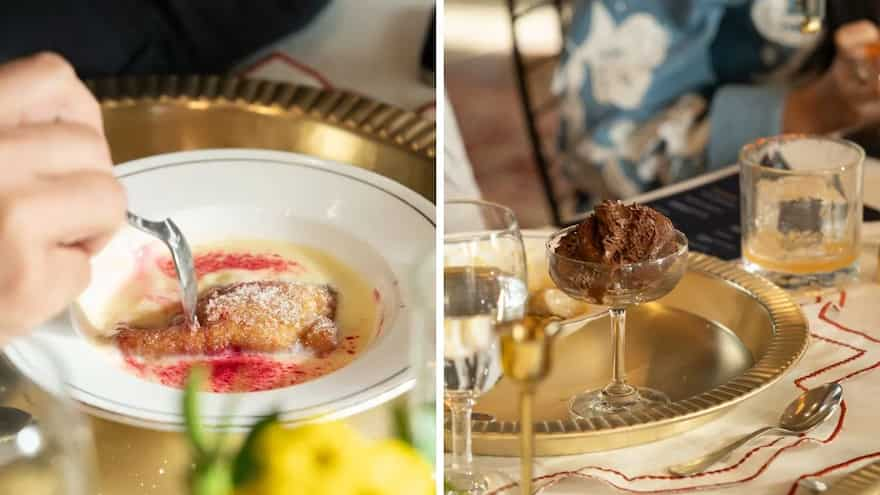
If food is already a multi-sensory experience, how does it adapt when placed within an immersive design installation? Prazeres describes the challenge as one of balance because the event placed food and design in close dialogue, the dishes needed to complement the spatial narrative rather than compete with it. “The challenge was ensuring that the food responded to the atmosphere without overpowering it,” he says. Each plate was therefore conceived almost like a design object—structured, deliberate and attentive to proportion. Textures, temperatures and visual appeal were carefully calibrated so that the food felt like a natural extension of the environment. Guests moved through the installation while experiencing the cuisine and space together.
Spotlighting European Techniques
Given that the culinary identity of Praça Prazeres draws heavily from classical European cooking traditions, the restaurant interprets them through contemporary sensibilities rather than replicating established recipes. The menu highlighted the hallmarks of European technique—sauces were reduced with precision, textures carefully balanced and plating intentionally restrained. What made all of them tie together was the finesse with which each detail was paid attention to, celebrating subtlety rather than extravagance. “The idea was to create a space where craft and memory converged,” Prazeres explains.
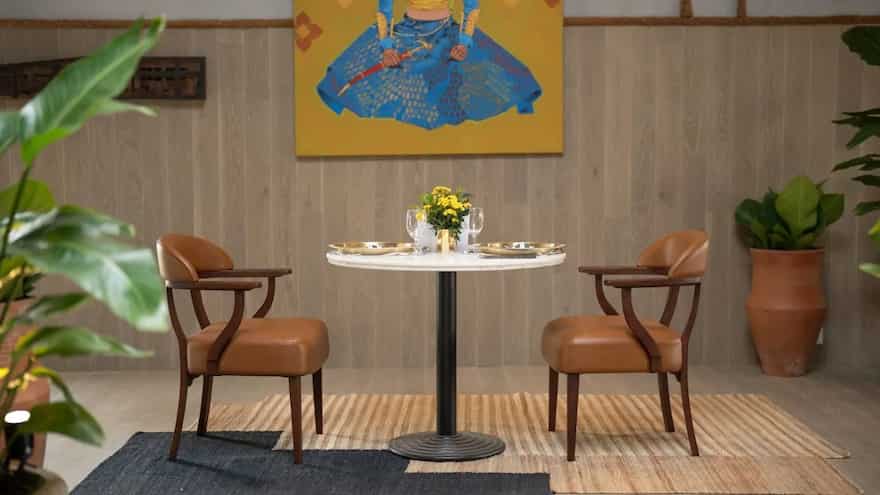
For Ralph, one of the most rewarding aspects of Palate by Design was the opportunity to work outside the familiar context of a restaurant. “The design translated these feelings into a setting where guests could feel a sense of belonging, allowing the experience of being present in the space to complement the act of tasting refined, classic dishes executed with precision,” he adds. Requiring to adapt culinary thinking to an entirely new format, guests experienced dishes as part of a broader sensory journey. “Palate by Design pushed us beyond our comfort zones and encouraged us to think more creatively,” Prazeres reflects. Luxury today is no longer defined solely by scale or extravagance. Instead it lies in experiences that feel personal and enduring.




