


 Share
Share

The word Akshaya translates to that which never diminishes or the imperishable. In the Indian cultural landscape, this day is one of the most powerful moments in the calendar, marking a time when any virtuous action, prayer, or offering is believed to yield eternal benefits. While many associate the festival with the purchase of gold, the true essence of Akshaya Tritiya lies in the concept of Anna Dana, or the sharing of food. As the summer heat begins to settle over the subcontinent, the traditional bhog and recipes focus on cooling the body and soul while honouring the earth's seasonal harvest.
The Sacred Grain: The Significance Of Barley
At the heart of Akshaya Tritiya lies a humble grain: barley, known in Sanskrit as Yava. Vedic traditions suggest that barley was the first grain created by the gods and is often referred to as the king of all grains. On this day, offering barley to Lord Vishnu is considered highly auspicious. It is not merely a symbolic gesture: barley represents the beginning of the Treta Yuga and the cycle of creation. For those looking to follow traditional dietary practices in 2026, incorporating barley into the bhog is essential. Many households prepare a simple barley khichdi or a porridge. In some regions, barley is ground into a fine powder and mixed with jaggery and ghee to create small laddoos. The act of consuming barley on this day is believed to cleanse the system and align the individual with the eternal nature of the festival.
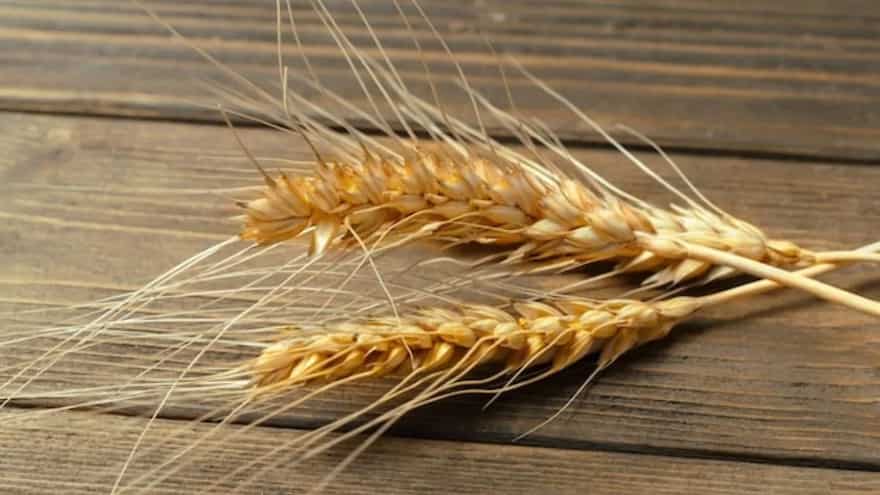
Image credit: Freepik
Cooling The Soul: Sattu And Summer Delights
Since Akshaya Tritiya typically falls in late April or early May, the food offerings are naturally designed to combat the rising temperatures. In North India, particularly in Bihar and Uttar Pradesh, Sattu takes centre stage. Sattu is a flour made from roasted gram and other grains, providing a high-protein, cooling effect on the digestive system. Preparing a Sattu drink, or Sharbat, is a common ritual. Mixed with cold water, a dash of lemon, roasted cumin, and either salt or jaggery, it is offered as prasad before being distributed to everyone. This practice serves a dual purpose: it satisfies the divine and protects the devotee from the harsh summer sun. Similarly, yoghurt and curd-based dishes are staples for the 2026 celebrations. From the Shrikhand of Maharashtra to the Mishti Doi of Bengal, these fermented delights are cooling and represent the white, pure energy associated with Goddess Lakshmi.
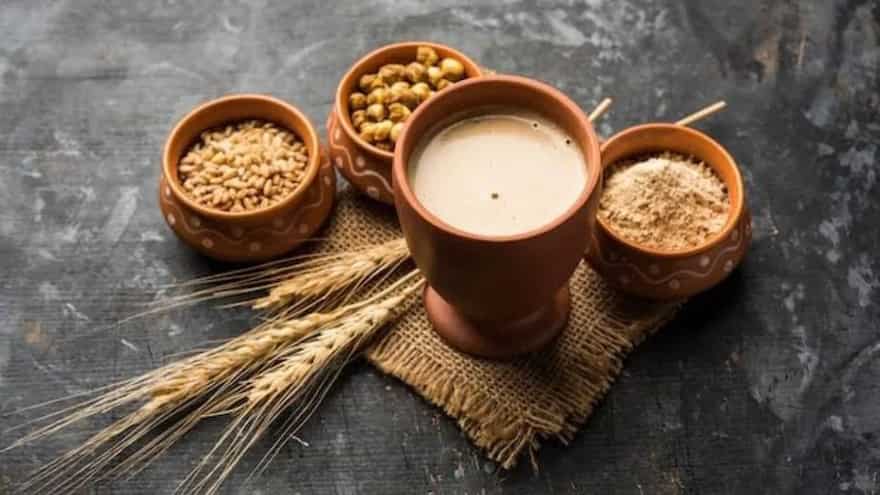
Image credit: Freepik
Regional Flavours: A Pan-Indian Culinary Journey
The beauty of Akshaya Tritiya is its regional diversity. Each corner of India brings its unique flavour to the festive thali.
• West India: In Maharashtra and Gujarat, no Akshaya Tritiya is complete without Puran Poli. This sweet flatbread, stuffed with a mixture of chana dal and jaggery, is served with a generous dollop of ghee. It is often paired with Aamras, or fresh mango pulp, celebrating the peak of the mango season.

Image credit: Freepik
• South India: In states like Karnataka, Tamil Nadu, and Andhra Pradesh, the focus is on Panakam and Kosambari. Panakam is a refreshing drink made from jaggery, ginger, and cardamom, while Kosambari is a light salad of soaked moong dal and cucumber. These are offered to the deity along with curd rice to ensure health and vitality.

Image credit: Wikimedia Commons
• East India: In Odisha and West Bengal, devotees often prepare Pitha or sweet rice cakes. Rice, being a symbol of fertility and abundance, is used in various forms, including Payesh, a rich milk-based rice pudding flavoured with bay leaves and cardamom.

Image credit: Freepik
The Story Of Sudama: Beaten Rice And Devotion
One cannot discuss the food of Akshaya Tritiya without mentioning the story of Lord Krishna and his friend Sudama. It is said that Sudama, in his poverty, offered a handful of Poha, or beaten rice, to Krishna. In return, the Lord bestowed upon him unimaginable wealth and prosperity. Many families continue this tradition by including Poha in their morning offerings. Whether it is prepared as a savoury breakfast with turmeric and peanuts or served as a sweet mixture with coconut and jaggery, it serves as a reminder that the intention behind the offering is more valuable than the material cost.
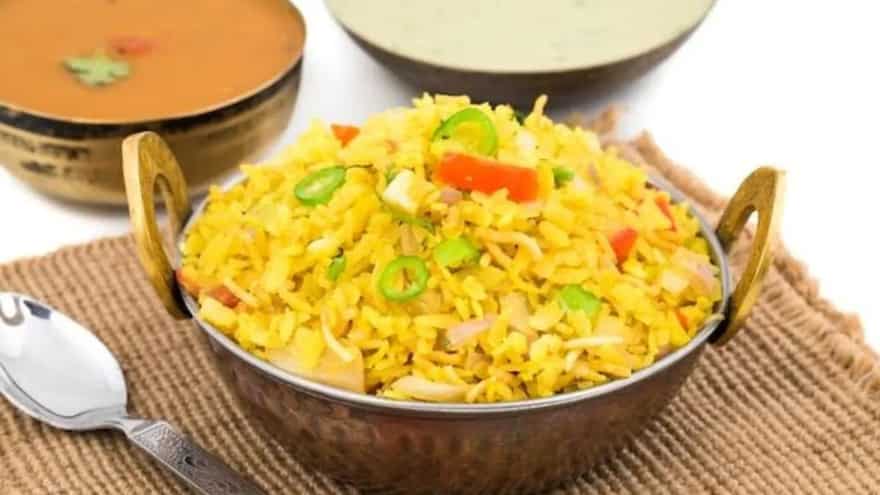
Image credit: Freepik
The Jain Connection: Sugarcane Juice And Tirthankara Rishabhanath
For the Jain community, Akshaya Tritiya is exceptionally significant as it marks the end of the year-long fast of the first Tirthankara, Lord Rishabhanath. After 13 months of fasting, he was finally offered sugarcane juice by King Shreyansa. To honour this event, sugarcane juice is consumed and distributed as a primary food item on this day. It is a sweet, energising liquid that symbolises the breaking of hardships and the flow of divine grace. Including a glass of fresh sugarcane juice in your 2026 menu is a wonderful way to connect with this ancient lineage of endurance and gratitude.

Image credit: Freepik
The Power Of Dana: Charity Beyond The Kitchen
While the food we eat is important, Akshaya Tritiya emphasizes the food we give away. The concept of Mahadana, or the great charity, is central to the day. It is believed that donating water, food grains, and umbrellas during this time provides relief to the ancestors and brings peace to the giver. Many choose to set up water stalls, known as Pyaus, or distribute seasonal fruits like watermelons and mangoes to those in need. In 2026, making a conscious effort to share your festive meal with the less fortunate is perhaps the most authentic way to celebrate the spirit of Akshaya.
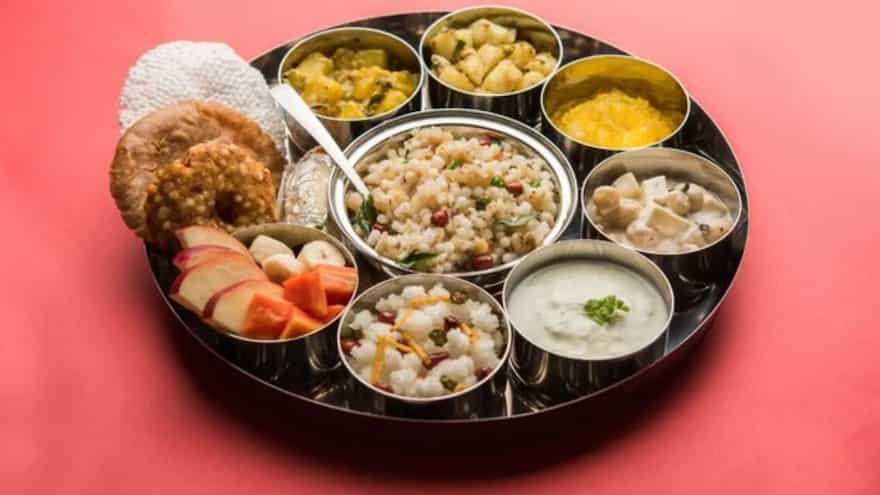
Image credit: Freepik
Preparing Your 2026 Festive Thali
If you are planning your menu for Akshaya Tritiya 2026, aim for a balance of grains, dairy, and seasonal produce. A traditional Satvik thali might include:
1. A Grain Base: Barley khichdi or steamed rice.
2. A Sweet Centrepiece: Puran Poli or rice Payasam.
3. Cooling Elements: Shrikhand, curd rice, or a glass of Panakam.
4. Seasonal Harvest: Fresh mango slices or Aamras.
5. A Simple Vegetable: A mild curry made with seasonal gourds or pumpkin.
Avoid using heavy spices, onion, or garlic, as the day calls for purity and simplicity in both thought and diet.
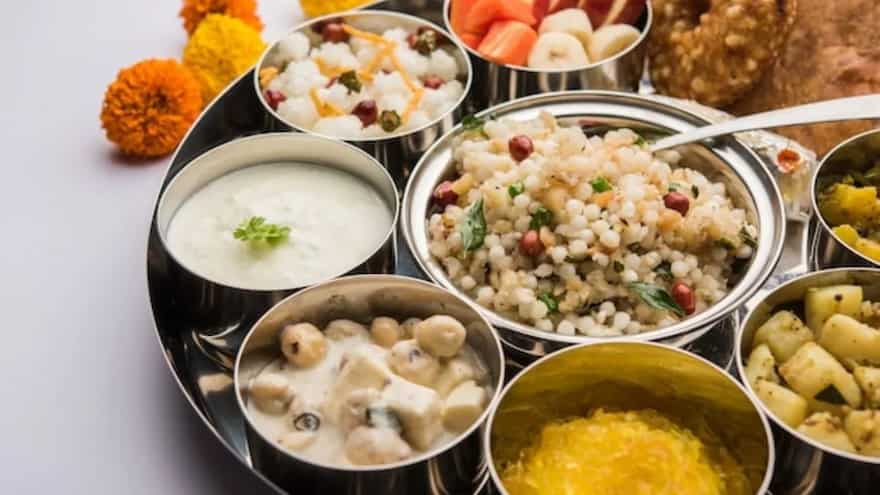
Image credit: Freepik
Final Reflections
Akshaya Tritiya 2026 is more than a date on a calendar: it is an opportunity to reset our relationship with wealth and consumption. By choosing traditional, seasonal, and cooling foods, we honour our bodies and the environment. As you share a bowl of kheer or a glass of sattu with your family, remember that the blessings of this day are meant to be shared, ensuring that the prosperity you invite into your life is truly Akshaya: never-ending and ever-growing.




