Share


A grocery store rave is a new phenomenon that is redefining how young urbanites think about nightlife. What began as a niche internet curiosity is quickly turning into a legitimate social movement across metropolitan centers like Bengaluru and Ahmedabad. Coffee raves were recently a thing, drawing morning crowds looking for sunrise beats and caffeine hits, and now we are moving directly into this next phase—shifting nightlife away from late-night drinking and toward experiential gatherings that challenge traditional party setups within the grocery store realm.
Stepping into a retail space that has been repurposed for an evening event feels intentionally disorienting. These gatherings transform basic commercial venues into temporary nightlife spots once the regular checkout counters close. Attendees pay an entry fee that often covers a beverage or modest store credit, trading standard club decor for rows of everyday goods, shopping trolleys, and stark overhead lighting. What occurs inside these venues flips conventional nightlife expectations. Partiers weave through aisles, gathered between stacks of packaged foods and household supplies while a DJ sets up near the checkout counters. By removing the intimidating posture of traditional nightspots and placing music inside an everyday retail layout, organisers create an environment with minimal social friction.
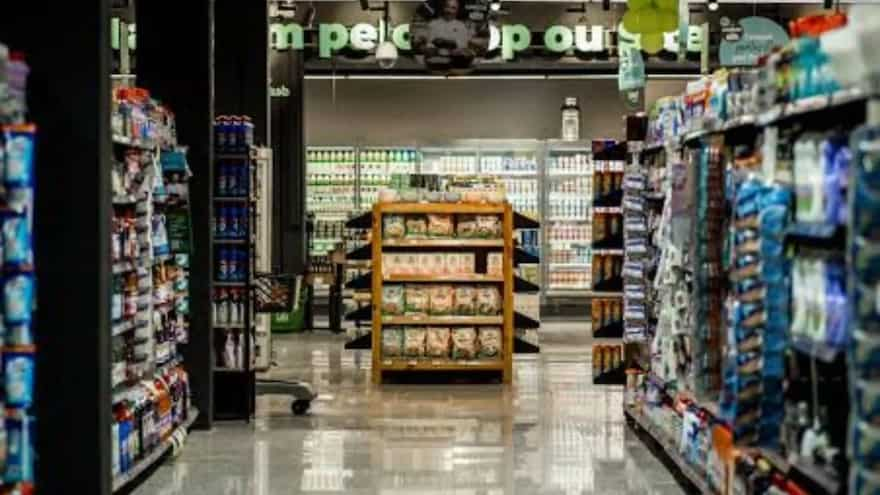 Image credit: Pexels
The Rise Of The Zero-Proof Experience
A critical driver behind this shift is the changing attitude toward alcohol across generations. These events are not actually about heavy drinking or staying out until sunrise; they are about the shared experience of being out in an engaging, unconventional setting. Global surveys and market studies show that Gen Z consumes roughly twenty percent less alcohol per capita than millennials did at the same age, with over forty percent of young adults actively identifying as moderate drinkers or completely sober. As this surge in zero-proof lifestyles and mindful socialising continues to grow, traditional nightclubs—which rely heavily on high-margin alcohol sales to justify their existence—are losing their monopoly on after-hours entertainment. Supermarket raves cater directly to people who want the music, lighting, and collective energy of a crowd without the expectation of drinking or dealing with the exhaustion that comes with it the next day.
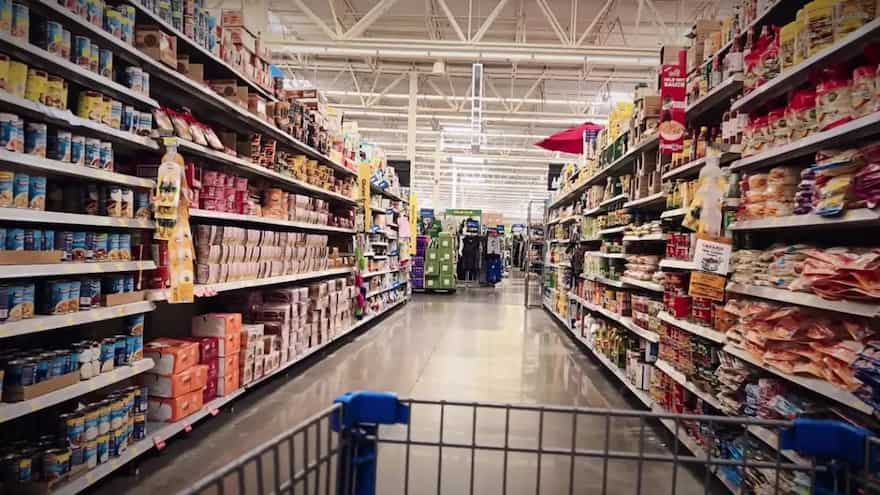 Image credit: Pexels
The Economics Of Urban Isolation Across Generations
To understand why a grocery store party resonates so deeply across modern Indian cities, one must look at how urban isolation affects people across different stages of adulthood. While Gen Z brings an appetite for novel, non-traditional social spaces that reject the rigid clubbing habits of older generations, professionals well into their thirties find themselves drawn to these gatherings for entirely practical reasons. Social priorities shift, but the core human need for real-world interaction remains universal across both demographics.
The late-night club scene, with its deafening volume, marked-up alcohol, and superficial setup, loses its pull for young adults navigating demanding work schedules and screen fatigue. In fast-paced metropolitan hubs, relocated Gen Z workers and adults in their thirties alike often live near thousands of peers while remaining entirely disconnected from their immediate surroundings. Domestic routines—like stocking the pantry, cooking, and managing a home—start taking precedence over chaotic nights out. Supermarket raves capitalise on this cross-generational shift by merging the familiarity of everyday errands with a lighthearted social outlet, letting adults satisfy their need for company without committing to an overwhelming evening.
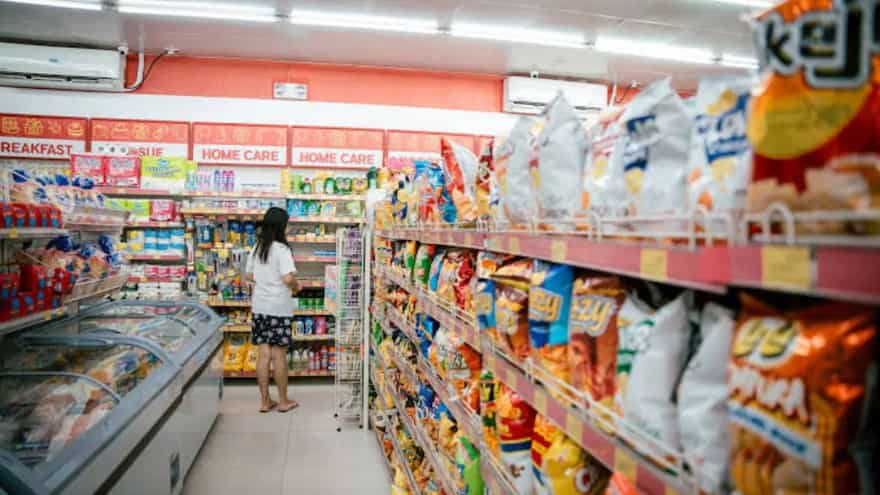 Image credit: Pexels
The Death Of The Third Place And Paid Belonging
Underneath the novelty of these events lies a much deeper civic issue: the near-total disappearance of genuine third places in modern Indian cities. Beyond the home and the workplace, urban residents have almost nowhere left to gather that does not require opening a wallet. Public parks are either heavily policed, poorly maintained, or gated behind restrictive timings. Walkable plazas, open town squares, and free community spaces are practically non-existent in fast-expanding urban hubs. The city layout forces a binary choice: you are either at home, or you are somewhere paying for food, drink, or retail goods.
When public infrastructure fails to offer free, accessible spaces where friends can sit together and catch up without a ticking timer or an active order, commercial outlets step in to fill the gap. Repurposing a grocery store into an evening venue highlights how thoroughly we have accepted that gathering must be tied to a financial transaction. We flock to these late-night supermarket events not because an aisle is an ideal place to spend an evening, but because our cities have starved us of simple, cost-free spaces to exist alongside one another.

Image credit: Pexels
Do We Actually Need To Rave Next To The Shelves?
From a critical standpoint, these events are easy to question. Skeptics rightly point out that paying a cover charge to dance beside canned goods and cleaning products looks like a textbook example of hyper-capitalism. It takes basic human socialising, attaches a cover charge, and markets it back to young professionals under the guise of community building. Turning a neighborhood market into a ticketed venue reveals how deeply commercialised our leisure time has become, where even a casual evening out is tied to consumption.
Yet dismissing the trend entirely as a marketing gimmick overlooks why people are showing up in the first place. The surge in attendance signals a generation looking for low-stakes environments where they can gather without the pressure of traditional nightlife. If the venue happens to be a generic retail floor in a tier-two city or a bustling metro market, the fundamental draw remains identical: people are searching for shared experiences inside spaces that feel familiar, practical, and grounded in their actual day-to-day lives.
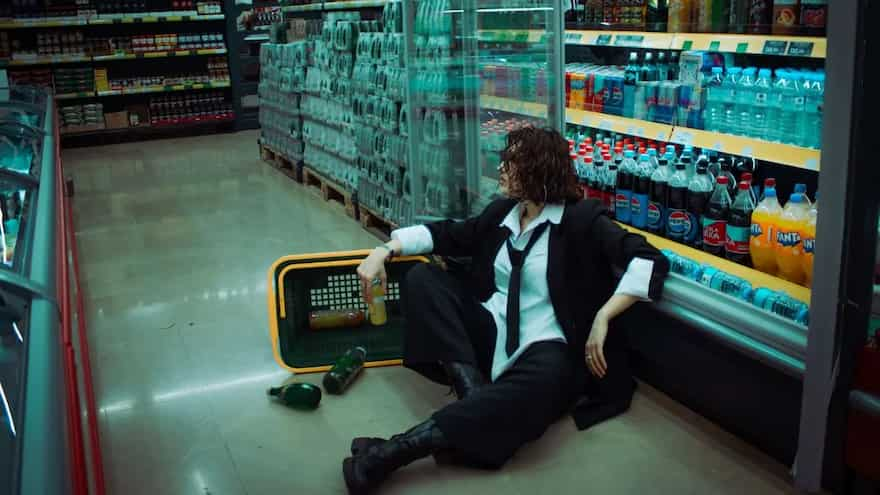 Image credit: Pexels
Where Society Is Heading Next
The rise of the supermarket rave is a clear indicator of where urban culture is heading. The boundaries dividing utility, commercial space, and social life are continuing to blur. Consumers are exhausted by screen-centered interactions and formal networking events, yet they lack the energy for high-maintenance social scenes. They want tactile experiences that feel integrated into normal life while still offering a break from weekly routine.
Ultimately, this trend reveals a society attempting to reintroduce playfulness into environments designed almost entirely for work and spending. As domestic life becomes the center of gravity for young adults across age groups, the places that support that domesticity will keep expanding into temporary gathering hubs. Whether this phenomenon remains a short-lived fad or grows into a staple of urban life, the takeaway is plain: people are looking for connection, and they will adapt whatever spaces are available to find it.