


 Share
Share

In the world of Indian appetisers, the kebab is a masterpiece of texture and spice. Traditionally, these meats are subjected to the intense, dry heat of a clay tandoor, which sears the outside instantly while the charcoal smoke infuses the meat with a deep, earthy aroma. For the home cook, replicating this without a backyard setup has always been a struggle. Most domestic ovens cook too slowly, causing the internal moisture of the meat to evaporate long before the outside develops that coveted golden crust. The transition to modern technology has provided a solution that mimics the tandoor remarkably well. Using a high quality appliance like an Usha air fryer allows for rapid heat circulation that seals the meat almost immediately. Because the heating element is so close to the food and the fan speed is so high, you achieve a level of browning that was previously impossible. However, the air fryer is a powerful tool, and without the right preparation, it can easily turn a prime cut of meat into a dry piece of leather. Understanding the relationship between fat, acidity, and air flow is the key to serving kebabs that are so tender they practically melt.
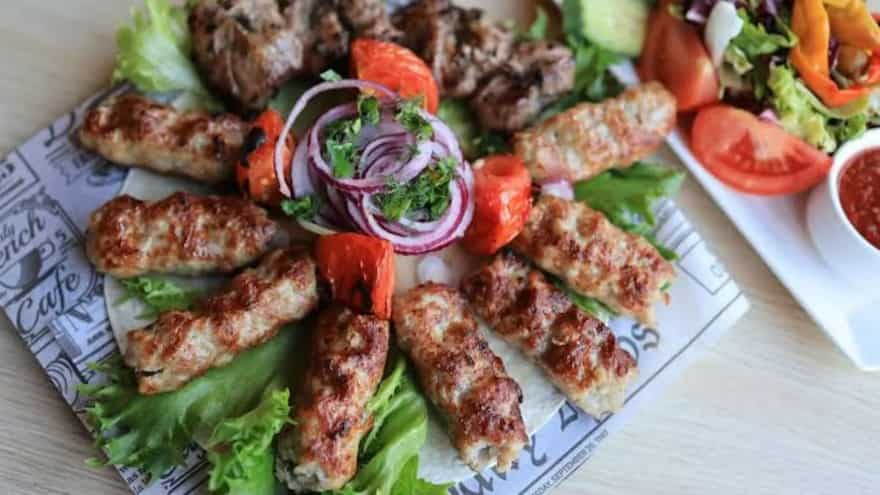
Image credit: Pexels
How To Avoid Overcooking Of Meats In An Air Fryer
The primary reason for dry kebabs is the lack of a protective barrier. In a deep fryer, the oil acts as a heat transfer medium and a sealant. In an air fryer, the moving air is constantly trying to pull moisture out of the meat. To combat this, you must rethink your marination and your timing. Overcooking often happens because we rely on traditional oven times, which are far too long for a compact air fryer. Another common mistake is overcrowding the basket. When meat pieces are touching, the air cannot circulate around the entire surface. This leads to uneven cooking where some parts are raw while others are overdone. By giving each kebab its own space, you ensure the heat hits every side simultaneously, cooking the meat through in half the time and retaining all the natural juices.
If you don’t have Usha’s Air Fryer, Shop Now
Reshmi Malai Chicken Tikka
Malai tikka is the test of any good kebab chef because the pale, creamy marinade offers no place to hide a dry interior. To make this in an air fryer, you need to lean into the fat content. Use chicken thighs rather than breasts, as the higher fat percentage in dark meat provides a natural insurance policy against overcooking. The marinade should consist of thick Greek yoghurt, heavy cream, and a paste made from cashews and green chillies. This thick coating acts as a physical shield against the hot air. Before placing the chicken in the air fryer, ensure it has marinated for at least four hours. Set the temperature to 200 degrees Celsius. High heat for a short duration is always better for kebabs than low heat for a long time. Cook for about eight to ten minutes, giving the basket a gentle shake halfway through. The cream and yoghurt will caramelise into beautiful brown spots while the chicken remains incredibly soft.

Image credit: Pexels
Spiced Mutton Seekh Kebabs
Mutton seekh kebabs are notoriously difficult to get right in an air fryer because ground meat has a tendency to shrink and toughen. The secret is in the ratio of fat to lean meat; you need at least twenty percent fat in your mince. If your butcher gives you very lean meat, add a tablespoon of softened butter or ghee directly into the mixture. To prevent the kebabs from becoming dense, avoid overworking the meat when you are mixing in your spices. Use a light hand to shape them into long cylinders. A clever trick for the air fryer is to place a small piece of aluminium foil at the bottom of the basket, but only covering half the area. This allows some of the fat to pool slightly, basting the meat as it cooks, while still allowing enough air flow to crisp the exterior. Cook these at 190 degrees Celsius for twelve minutes. The result is a kebab that is robust and spicy on the outside but succulent enough to break apart with a fork.
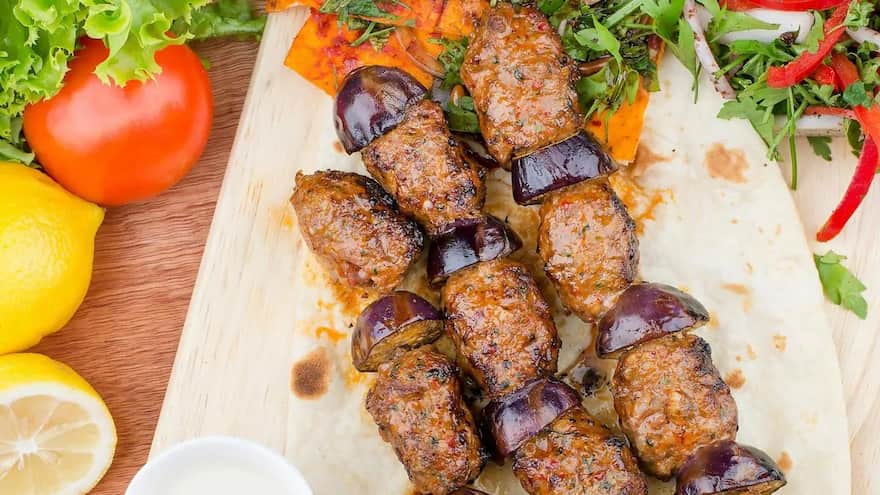
Image credit: Pexels
Zesty Hariyali Fish Tikka
Fish is perhaps the most delicate protein you can put in an air fryer. Whether you are using firm white fish or something richer like surmai, the window between perfectly cooked and overdone is only about sixty seconds. For a Hariyali marinade, blend together fresh coriander, mint, spinach, and lemon juice. The acidity in the lemon juice is a double edged sword; it tenderises the fish but will also start to cook it if left too long. Marinate the fish for no more than thirty minutes. In the air fryer, fish needs a very high heat, around 205 degrees Celsius, and a very short time, usually six to seven minutes. Because fish lacks the connective tissue of chicken or mutton, it does not need much time to become tender. The high heat of the air fryer will blister the green marinade, creating a vibrant, zesty crust that contrasts perfectly with the flaky, white meat inside.

Image credit: Pexels
Smoky Chapli Kebabs
Chapli kebabs are traditionally flat, disc shaped patties from the frontier region. They are known for their craggy edges and the crunch of toasted pomegranate seeds and coriander seeds. To replicate this in an air fryer, you want to mimic the effect of a flat iron griddle. Shape your spiced meat into thin patties. Before cooking, press a thin slice of tomato into the centre of each patty. The moisture from the tomato will slowly release into the meat as it fries, preventing the centre from drying out. Place the patties in a single layer in the air fryer. Cook at 200 degrees Celsius for five minutes on each side. The edges will become incredibly crisp and dark, almost like they have been charred over a flame, while the tomato keeps the heart of the kebab moist and flavourful.
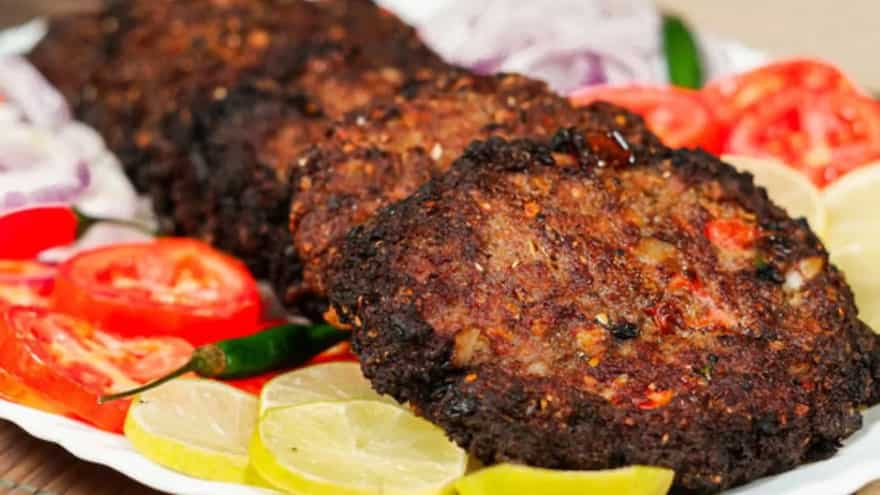
Image credit: Adobe Stock
Boti Kebab With Raw Papaya Paste
Boti kebabs use small cubes of mutton that can often become chewy. To ensure a gourmet, tender result, you must use a natural tenderiser. Raw papaya paste contains an enzyme called papain that breaks down tough muscle fibres. Mix your mutton cubes with a teaspoon of papaya paste, ginger garlic paste, and roasted gram flour (besan). The gram flour is crucial here; it absorbs the juices and creates a thick paste that clings to the meat, forming a protective crust. Cook these at 180 degrees Celsius for fifteen minutes. The slightly lower temperature allows the heat to reach the centre of the mutton cubes without burning the besan coating. These are best served with a squeeze of fresh lime and a side of thinly sliced red onions to cut through the richness of the meat.

Image credit: Adobe Stock




