


 Share
Share

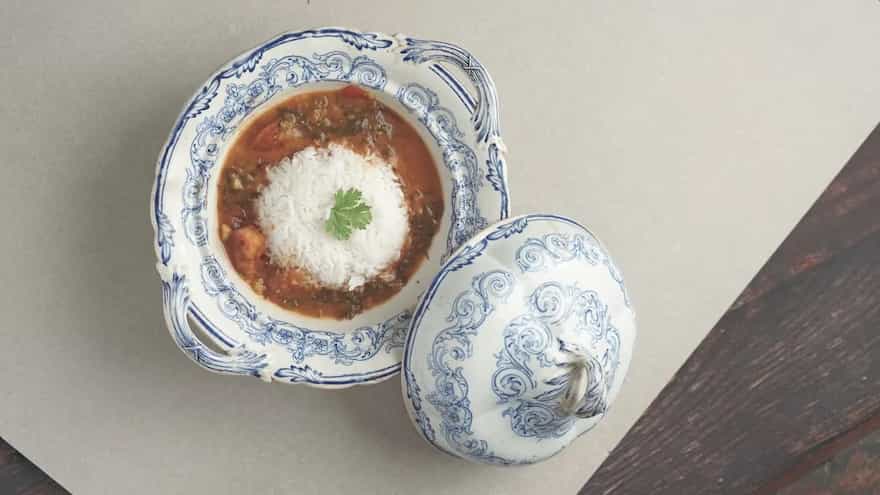
FOR MANY FAMILIES who have tasted her food, Sandhya Linga’s kitchen has long been a place of comfort. That warmth and decades of quietly collected recipes have now found their way into her debut book, From my Kitchen to Yours: 40 Beloved Rasam Recipes, a celebration of a dish that is both everyday sustenance and emotional anchor in South Indian homes.
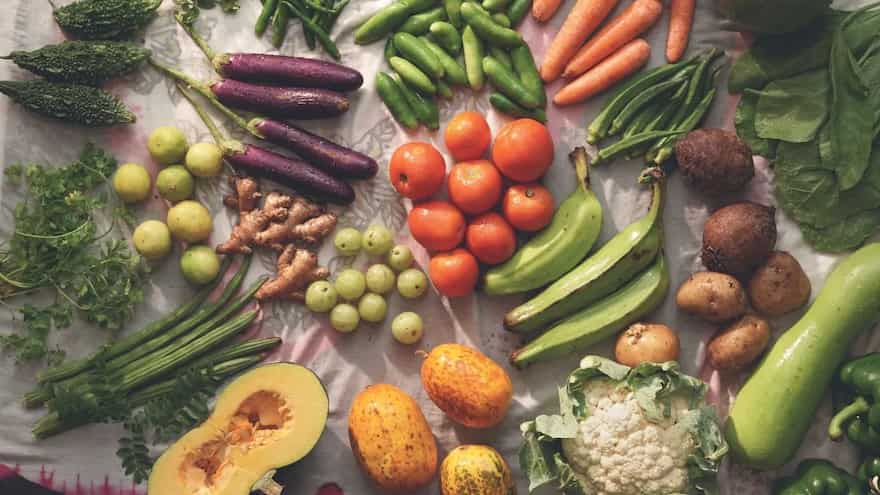
Carrying a treasure trove that ranges from traditional versions made out of tomato, lemon, to pumpkin, she also incorporates varieties from other parts of the country, like one from kokum, while also turning out some unique versions, including ones with coconut and cauliflower.
The book began unintentionally, long before Sandhya imagined herself as an author. When she first started cooking independently, her young children disliked vegetables. Rasam became her secret weapon. She recalls, “They were so reluctant to eat vegetables. So I started trying new rasams every day: from my mother, my in-laws, and family friends. I used to write everything down.”
INSPIRED BY TRAVEL & TRADITION
Over time, preparing a different rasam each day became part of her routine. Travel deepened this instinct. A vegetable kadhi in Tirupati, a fiery red version in Sikkim: each place offered a clue, a spark, a new idea to recreate back home. Slowly, her notebooks filled with variations both traditional and unexpected.
Some recipes are rooted in memory. As a child, Sandhya spent much time with her mother’s close friend, whose rasams were unlike anything typical to Andhra. “She used to make such aromatic kadhis and rasams,” Sandhya recalls. “Two of them: chukkapura (sorrel leaves) rasam and kattu charu (made from chana dal stock) — I had never heard of them anywhere else.” Years later, she adapted these into coriander and pudina rasams, preserving their spirit while giving them her own touch.
The book itself took root because of her daughter. After observing that Sandhya had not repeated a rasam in 30 days, she suggested turning the collection into a book. Life delayed the idea, but the sentiment never left. A handwritten compilation of 35 rasams that Sandhya created as a gift for her daughter’s mother-in-law eventually became the foundation for the manuscript.
When Sandhya and her daughter-in-law finally began working together, the project became an exercise in clarity and precision. “I was very scared,” she admits. “I kept wondering: are the proportions correct? Am I missing a step?” She re-entered the kitchen to measure everything deliberately, rewriting instructions so even a first-time cook could follow. To test it, she handed a recipe to a niece who didn’t know how to cook. “She called me saying, ‘It came out so good!’ That gave me confidence.”
A nephew encouraged her to write personal notes for each rasam: the story, the memory, or the home it came from. “Once I started writing, the memories just blossomed,” she says. “Childhood, festivals, people… everything came back.” Designer Priya Passary entered the project soon after, shaping the book’s visual language and planning the photoshoot.
The family’s initial intention was to print a few copies for near and dear ones. But when the images turned out beautifully, the idea grew. “That’s when we thought, okay, let’s publish it properly,” she smiles. The design, images, and layout of the book all enhance the experience; the anecdotes, accompanied by them, differentiate this book from just another food book.
Also helpful is the fact that she advises on food pairings, such as the tamarind version, which pairs well with stir-fried vegetables, or the pepper rasam with fried potato — this adds an element of thoughtfulness to the book.
A BOOK WITH A DIFFERENCE
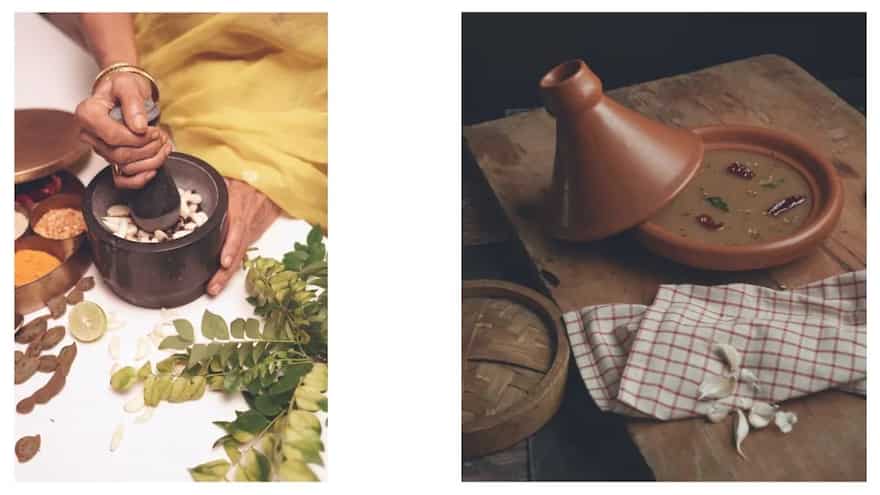
While most homes use one rasam powder for all kinds of broths, the author makes a departure and suggests four different versions that range from using Bengal gram to toor dal for different varieties. She states, “The spice mixture has to be tweaked according to the ingredients. Some need a lighter spice palate, while others need a different combination.”
At the heart of it all is a dish that Sandhya believes defines South Indian comfort. Rasam, she says, is not merely a course in a meal. It is what one turns to after a long journey, on days of illness, during festivals, or simply when the soul seeks something familiar. She adds, “Each region — and often each home — has its own interpretations. Tomato rasam for Ganesh Chaturthi, moong dal rasam for Gauri-Ganesha, and pappu chaaru during Sankranti — every festival has its flavour.”
Among her personal favourites are classic tomato rasam and a mixed-vegetable version from her mother’s home, both tied to her earliest food memories.
Buoyed by the response to her debut, Sandhya is already working on her next project: a book dedicated to pachadis (pickles) and veypudus (fries), with plans to follow it with pulaos, biryanis, and more. For now, From my Kitchen to Yours: 40 Beloved Rasam Recipes stands as a tribute to everyday cooking, familial bonds, and the quiet artistry of home kitchens, a reminder that the simplest dishes often carry the richest stories.




