


 Share
Share

Chocolate has a way of adding a particular touch to baked products and drinks. One of those final touches that makes people say, ‘Whoa, you made this?’ is melted chocolate, whether it's poured over a cake, swirled into brownie batter, or used as a glossy glaze or even as an ingredient for cocktails and mocktails. As a home baker or as an individual who loves anything with chocolate, after seeing gourmet chocolatiers melting chocolate on social media, you've probably been considering improving your chocolate melting skills. Don't panic if you've ever attempted to melt chocolate and the result was a clumpy mess rather than a smooth stream. It’s a common challenge for a lot of people who want to get into the art of melting chocolate and nail the procedure. Although melting chocolate can be a bit tricky, it's simple and well worth the effort once you know a few simple steps.
Why Melted Chocolate Is Important For Your Recipes
Melted chocolate changes the texture, appearance, and overall experience of your food and beverages in addition to its flavour. Deeply chocolatey cakes and rich, fudgy brownies can be made by stirring melted chocolate into batters. And adding it to milkshakes and cocktails adds that extra punch and gives rise to new ideas in the kitchen.
Choose The Right Chocolate
Selecting the appropriate chocolate is equally as crucial as understanding how to melt it. While dark chocolate melts exquisitely and gives depth to glazes or batters, and it is slightly bitter, semi-sweet chocolate is a popular and adaptable chocolate that is rich but not overly sweet, ideal for dipping, glazes, and brownies. When melted, milk chocolate has a softer texture and is sweet and creamy. Perfect for adding a sweet touch to dishes by coating or drizzling them.
White chocolate is sweet and smooth, but it doesn't actually contain any cocoa solids. It melts into a smooth coating that goes well with anything that are fruity or spicy.
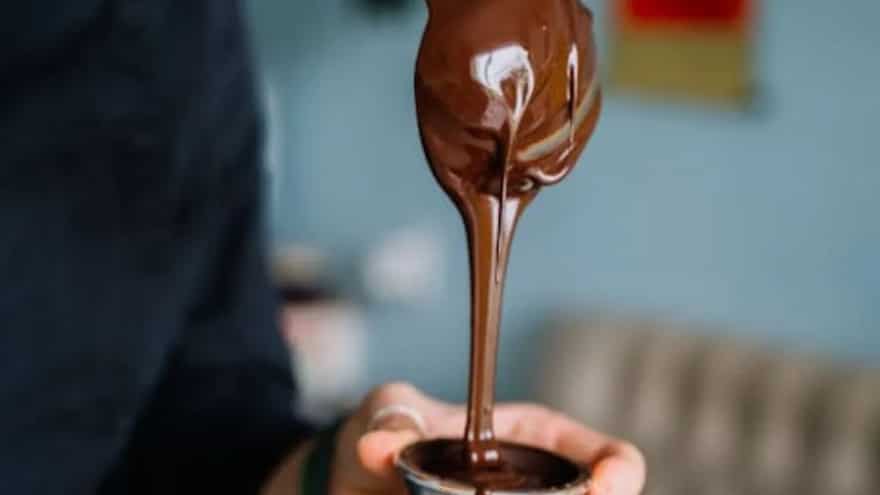
Image Credit: Pexels
Melt Chocolate In A Microwave
If you know how to do it, melting chocolate in a microwave can be quick, easy, and clean. No water baths or double boilers are required; all you need is a microwave-safe bowl, and there won't be any water splashing into the chocolate by accident. The chocolate will melt quickly with relatively little heat because little bits have a larger surface area. Cut milk and white chocolate into matchsticks or shards no thicker than ¼ inch since they burn easily; dark chocolate can be chopped coarser. In order to keep the chocolate from getting too hot before all of the bits are melted, use low to medium heat, such as 30% or 50% power in a microwave rather than 100% power. The chocolate is melted and prevented from overheating by frequent and thorough stopping and stirring.
The Double Boiler Method
Using indirect heat (steam) instead of direct heat from a stove or radiation from a microwave, a double boiler enables us to melt chocolate. By heating and melting the chocolate more gradually, this indirect heat significantly lowers the possibility of overheating it or creating fat bloom. The end product is melted chocolate that is flawlessly smooth and glossy! On the other hand, chocolate melts more quickly and unevenly, whether it is melted in a skillet on the stove or in a microwave. Chocolate is much more likely to become overheated in these scenarios, which will lead to disappointing results.
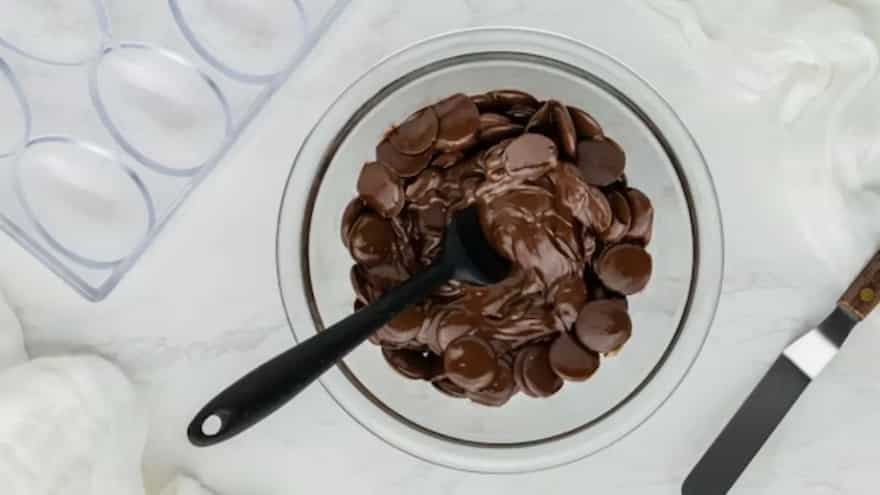
Image Credit: Unsplash
Add Some Heavy Cream Or Cooking Oil
Picture yourself in the kitchen preparing a decadent chocolate dessert for a big event. The chocolate becomes a gritty, unattractive mess instead of melting into a smooth combination. This phenomenon is referred to as ‘chocolate seizing.’ To smooth the texture of the chocolate and restore that creaminess that everyone adores, add a tiny bit of hot cream or fat cooking oil, coconut oil, or butter. To make sure the liquid combines with the melted chocolate, keep stirring it in. It may not always be able to smooth out seized chocolate, but that doesn't mean you have to discard it. Instead, make the mixture into a hot chocolate or ganache and enrich it as much as you can.




