


 Share
Share

As the festival season gears up, food safety officials across Uttar Pradesh have located alarming quantities of adulterated khoya. As per the reports, the authorities have seized and destroyed 900 kg of adulterated khoya at Panki Railway Station in Kanpur to prevent it from entering markets ahead of festivities.
When demand for the khoya or mawa soars high during festivals, a lot of vendors mix cheap synthetic products, unsafe ingredients or even sell expired, bad products masked as fresh. Since khoya is a key ingredient for making festive staples such as gujiya, barfi, malpua and other desserts, being cautious while buying guarantees your festive delicacies are safe to consume. With the tips listed below, learn how to check the quality of khoya before you buy it.
Check The Smell
Before you even feel the khoya, get your smelling sense to do the work. Fresh khoya or mawa has a light, milky fragrance; it will feel slightly sweet and not sour. If you notice a strong, sour, or stale smell, it’s clear that it's not pure. Good-quality khoya smells like slow-cooked milk, not like milk that's been kept outside the fridge for too long. Don’t let the sugar or cardamom that is added fool you. Ask the seller to split a fresh piece from inside and then smell it again. The centre of the khoya will reveal the real freshness and not the outer surface.
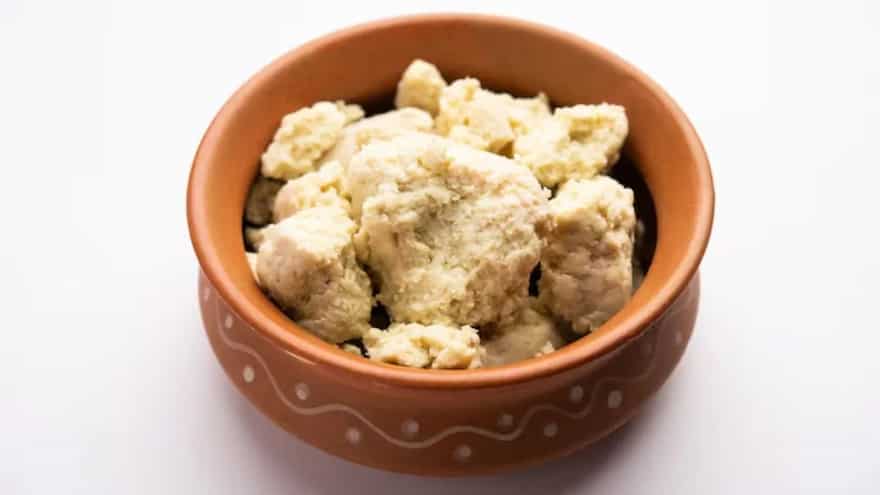
(Image credit: Freepik)
Press And Feel The Texture
Take a small piece of khoya between your fingers and press it gently. Fresh khoya feels soft, lightly moist, and also smooth and not sticky or too stretchy. If it crumbles too smoothly into dry grains, chances are that it can be old. If the khoya feels too greasy or leaves excess oil on your fingers, it can be mixed with fats. Good-quality mawa maintains its shape even when pressed. This simple touch test will tell you more than just glancing at it.
Examine The Colour Carefully
A good-quality khoya has an off-white colour, similar to light cream. It should appear natural, not overly bright white or unnaturally yellow. Too much white khoya can often mean that starch is mixed, whereas too yellow can mean there is artificial colouring. While buying, ask the seller to cut a piece of khoya and see if the inside and outside look the same. Uneven shades can signal inappropriate storage or mixing of synthetic ingredients. Always trust your eyes before you trust the price tag.
Do A Small Heat Test
If feasible, buy a small portion and heat it in a pan at home. A pure khoya dissolves slowly and releases a nice milk fragrance without splitting too much oil. If the khiya leaves have too much fat too soon or smell burnt and sour, the quality may not be adequate. When stirred, a good quality of mawa reduces smoothly and doesn’t turn wet. This quick heat test is particularly helpful during festivals when the chances of adulteration are high.
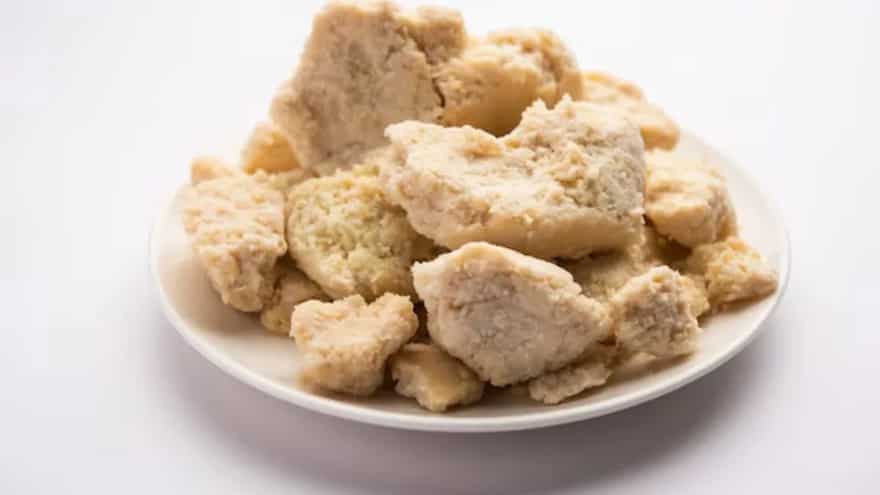
(Image credit: Freepik)
Taste A Little Piece Before Buying
Never examine a khoya that is mixed with sugar. To know if it's pure, taste a small piece of plain khoya. Fresh khoya tastes lightly sweet and a bit creamy, with a rich milk taste. Pure khoya or mawa does not feel sour, bitter, or too oily. The aftertaste here matters the most - a good mawa has a clean, milky finish after and not a sticky one. If the flavour feels flat or odd, avoid buying it in bulk.




