


 Share
Share

Kids all over the world are ready to go to school before the summer vacations begin. That means schoolwork, new friends, and lunch. Yes, exactly! Perhaps you've noticed it frequently as you go through social media, where kids from a specific country eat lunch every day, similar to numerous OTT platforms where the high-school or college cafeteria is the focal point for all things culture, food, and more. Most of the time, the entire school lunch meal looks way too appetising to begin with, and that might make you super-hungry! These meals are not only for consumption but have been curated in ways across the globe so that students get all the required nutrients for their overall development. School lunches around the world reflect diverse cultural values and dietary methods. From Japan's educational kyushoku system to Finland's free universal meals, here’s how different countries feed their students and how you can recreate them in your own kitchens using these easy hacks and tips!
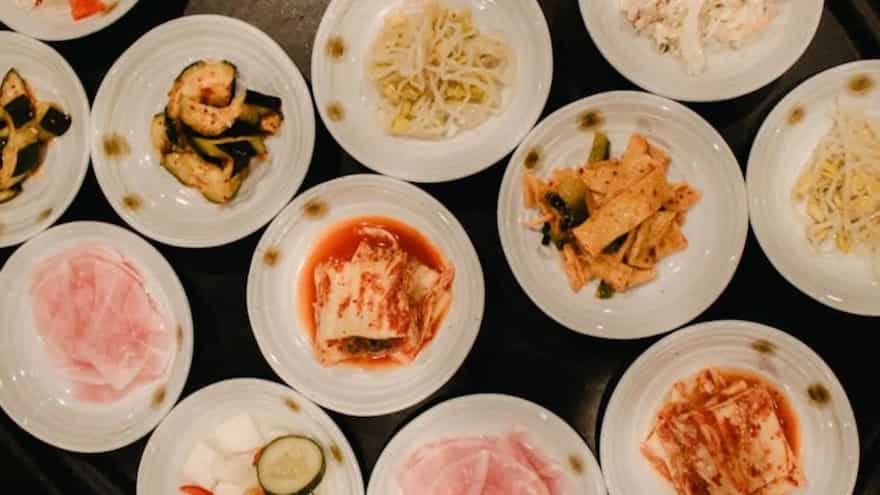
Image Credit: Pexels
Rice, Soup & Banchan: South Korea
South Korean school lunches include traditional mainstays such as rice, kimchi, soup, and a variety of side dishes known as banchan. The government significantly subsidises these meals, making them affordable to all students. Local production benefits area farmers while preserving local food traditions. Food education is also emphasised in Korean schools, with students learning about traditional cooking methods and the nutritional benefits of fermented foods such as kimchi. Spiced stir-fried tofu, spiced and pickled radish, spiced spinach, marinated stewed chicken, soybean sprout soup, and rice make for a simple South Korean school lunch.
Also Read: Top 5 Bento Lunch Box: Stylish & Portable
Kyushoku: Japan
Kyushoku is served at public elementary and junior high schools in Japan, and it consists of cooked lunches delivered to each classroom. Rice, toast, noodles, salad, and other ingredients make for a well-balanced school lunch. Japan's kyushoku school lunch system began in 1889 in Tsuruoka City, where a temple-based elementary school provided free lunches to poor children, such as rice balls, grilled fish, and pickles. The food was supplemented with grains and supplies collected by monks who sang sutras door to door. The government began promoting school lunches in 1923 to enhance child nutrition, but the program was discontinued during World War II due to food shortages. Following the war, widespread malnutrition contributed to its revival. In 1954, a formal school lunch law was introduced, helping kyushoku expand across Japan nationwide as a standard system for students. Pair your meal with simple dishes like Japanese potato salad with crispy bacon, tamagoyaki or Japanese omelette, or kinpira renkon (braised lotus root). These dishes are simple to prepare and pair wonderfully with a traditional kyushoku meal!

Image Credit: Pexels
Entree, Plat, Side, Fromage & Dessert: France
At least forty minutes are spent sitting at the table, with the remainder spent outside for playtime. Children either eat from the cafeteria's predetermined menu or go home for lunch, a very French rhythm that continues to astonish many non-French parents. In many schools, students enter the cafeteria and sit at small tables that are already equipped with plates, utensils, linen napkins, water pitchers and fresh bread. The first courses arrive at the table, followed by the main meal, which is served "family style" on a shared platter. Then cheese, followed by dessert. In other schools, students pass through self-serving stations that typically have two vegetable-based entrees such as lentils, carrot salad or taboulé, followed by the main course and side dish, served by the canteen staff who ask each child how hungry they are to reduce waste and gently urge them to try everything. Lastly, they are served cheese with dessert, and it’s usually yoghurt, fruit or maybe a small baked treat!
Tiffin & Mid-Day Meals: India
The tiffins usually focus on preparing meals that are healthful, balanced, and enjoyable to consume. A decent lunch box should contain healthful grains, fresh veggies, fruits, and a protein source such as paneer, lentils, or eggs. Popular dishes like veggie paratha, idli, poha, and pulao are both satisfying and nutritious. Adding a small portion of a homemade snack or dry fruits keeps kids energised. Colourful and tasty food encourages children to finish their meals happily and stay active throughout the school day. There’s also the Mid-Day Meal Programme, which is a school lunch offered to children in government and government-aided schools in India as part of the PM-POSHAN (POshan SHAkti Nirman) project (previously the Mid-Day Meal Scheme) to improve their nutritional status and assist their education. The rules require meals to contain staple grains, protein sources, and vegetables, while allowing states to create menus based on local food patterns. In India, the Ministry of Education sets minimum nutritional standards for meals supplied under PM POSHAN. Primary school pupils must consume approximately 450 calories and 12 grams of protein per meal, whereas upper primary students require approximately 700 calories and 20 grams of protein. With enriched rice now available in many states, the program contributes to national efforts to eliminate micronutrient deficits among school-aged children.
Rice & Beans: Brazil
Brazilian school meals centre around rice and beans, complemented by regional ingredients and local specialities. The show focuses on fresh ingredients and traditional Brazilian culinary methods. Brazil's constitution provides the right to school meals for all public school pupils, resulting in one of the world's largest feeding programs, serving nearly 40 million children.
Image Credit: Pexels
Bread, Butter, Salad & Water: Sweden
Many countries around the world provide school lunches, but Sweden is unique in providing them for free. In Sweden, all children aged 6 to 16 and the majority of students aged 16 to 19 receive hot school lunches five days a week. School meals are considered to be important for many reasons, such as the pupils' health, social well-being and ability to learn. The meals are hot and frequently feature multiple options, such as vegetarian and gluten-free. Salad, bread, butter, milk, and water are all on the menu. Around 70% of the ingredients used are organically produced; for fruit and vegetables, the figure is around 90%.
Potjiekeos: South Africa
South African school lunches include nutritious components such as corn, squash, sweet potatoes and yams. There is also rice, soft porridge, and meat mixed in with the vegetables. Potjiekos, a stew named after a three-legged pot, began with Dutch settlers. The cook adds vegetables, meat, potatoes, and seasonings to the pot, which is heated with small amounts of wood and twigs. After cooking, the result is a delectable stew!
Pizza, Chicken Nuggets & Salad: United States Of America
American school lunch programs follow government dietary rules, which ensure that meals satisfy precise calorie, whole grain, fruit, vegetable, and lean protein criteria. Pizza, chicken nuggets, salads, and fresh fruit are all common items on the menu. Every day, the National School Lunch Program serves nearly 30 million students, with qualifying families able to receive reduced-price or free lunches. Recent projects have focused on locally produced products and garden-to-cafeteria programs.
Schnitzel, Pasta, Goulash, Salad: Germany
German school lunches, known as mittagessen, are often the primary hot meal of the day, served between 12 PM and 2 PM. School cafeterias serve balanced, nutritious meals created with fresh ingredients. Typical menu items include schnitzel, pasta, goulash, seafood, potatoes, and a variety of salads. Vegetarian choices are becoming more prevalent, reflecting current nutritional trends. Meals are designed to provide energy for the school day while encouraging healthy eating habits. Desserts such as yoghurt, fresh fruit, or light sweet dishes are frequently offered to round out the meal, making lunchtime both nutritious and satisfying for students throughout Germany.




