


 Share
Share

During the summer months, it’s not just you who feels the harshness of the weather, your food and drinks also feel it. And when that happens, bags or baskets or bottles of your favourite vegetables, dishes and more get spoiled. You try to rack your brain on how to proceed with caution to avoid your kitchen stock and food from getting absolutely rotten. Non-perishable food items need to be protected and preserved when the intense summer heat hits. Whether you're filling your pantry, getting ready for a camping trip, or doing anything else. Some helpful hints and techniques help you successfully store non-perishable goods in the sweltering summer months. Here are a few ideas and tips to help you keep all your favourite dishes, drinks, and more fresh, juicy and just the way you want them.
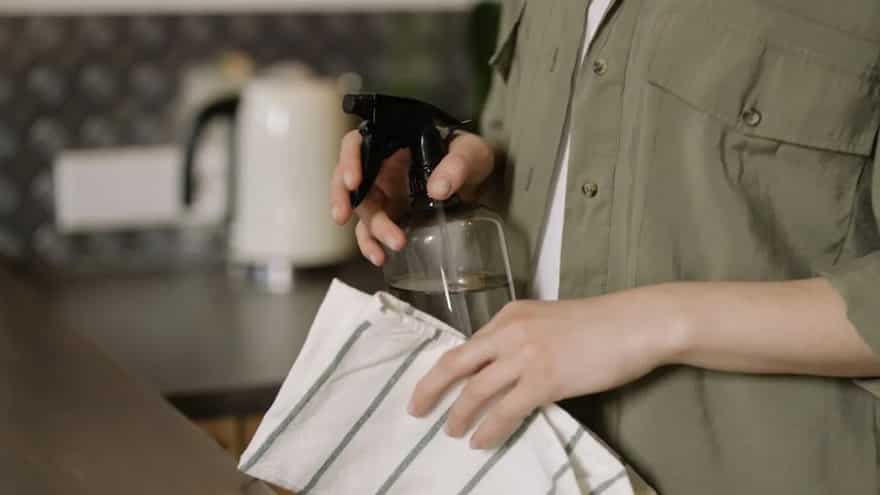
Image Credit: Pexels
1. Keep Everything Clean
Germs can be transferred from one food item to another using your hands. Frequently wash your hands before preparing or storing food. Always wash your hands for 20 seconds with warm water and soap. Aside from the tools and surfaces in the kitchen, be sure to clean any cutting boards and cutlery. Germs can be effectively removed from surfaces with warm, soapy water. All produce should be washed under running water.
2. Keep Food In The Fridge Right Away
Food should be refrigerated as soon as possible to prevent it from growing new bacteria. If the temperature drops below ninety degrees, perishables should be placed in the refrigerator within two hours. If the temperature is higher than that, food should be refrigerated within an hour. To stop bacteria from multiplying, keep the temperature in your refrigerator at 40 degrees or lower.
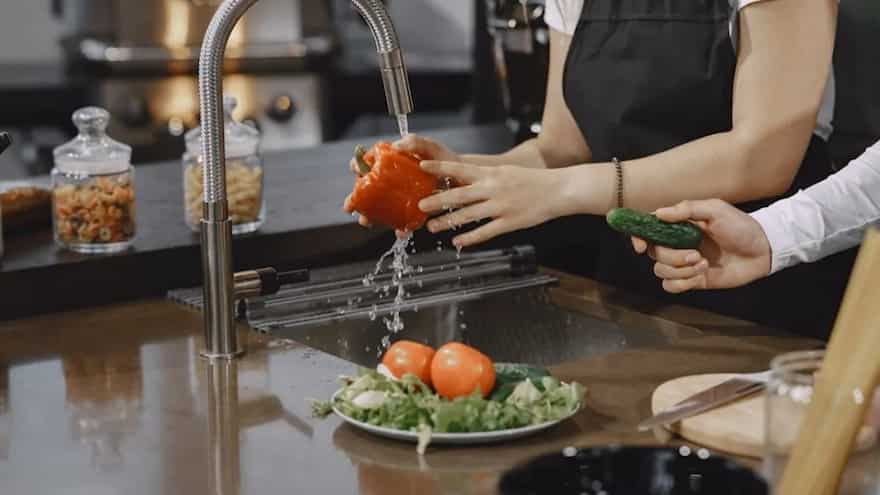
Image Credit: Pexels
3. Wash & Soak As Needed
Washing fruits and vegetables is usually a good idea because a quick rinse under running water can get rid of bacteria, dirt, and pesticides. Certain things can even be soaked in a solution of white vinegar and water. Even if you aren't eating the rind or skin, use a brush to scrub solid food like melons or potatoes; do not use soap or detergents. If you're going to be dining out, think about chopping and slicing your fruits and vegetables in advance to save on cleaning materials, extra utensils, and bacteria and germ exposure.
4. Look For Spoilage Indications
Odour, colour, and texture changes can all be signs that food is beginning to spoil. Throw away the food if you detect any discolouration, a slimy or slick texture, or an offensive stench. It's usually advised to steer clear of something if you're unsure if it's safe to eat. If a piece of meat seems dubious, it's not worth the risk because some food-borne illnesses can be rather serious.
5. Store All Meat Separately
Seafood, poultry, eggs, and raw meat can all harbour bacteria that lead to food poisoning. If they are kept or carried in proximity to one another, they can spread those germs to other foods. Keep meat, seafood, and poultry bags apart from other grocery items to avoid cross-contamination. Pack the meat products in a different container from the other meals and beverages if you're bringing food to a picnic or barbecue. Until they are ready to cook, store them in an insulated bag or a well-chilled cooler.
6. If Purchasing Milk, Store In Fridge
Milk is something that is needed every day. But if it is not stored correctly, it turns sour within a day or two. So, if you have brought milk in bulk and you are not going to use it for a day or two, don't worry. All you need to do is put it in the fridge. However, if you keep it in a can or a vessel, take out some milk because its volume increases after freezing. Your milk does not spoil for about four to six weeks.
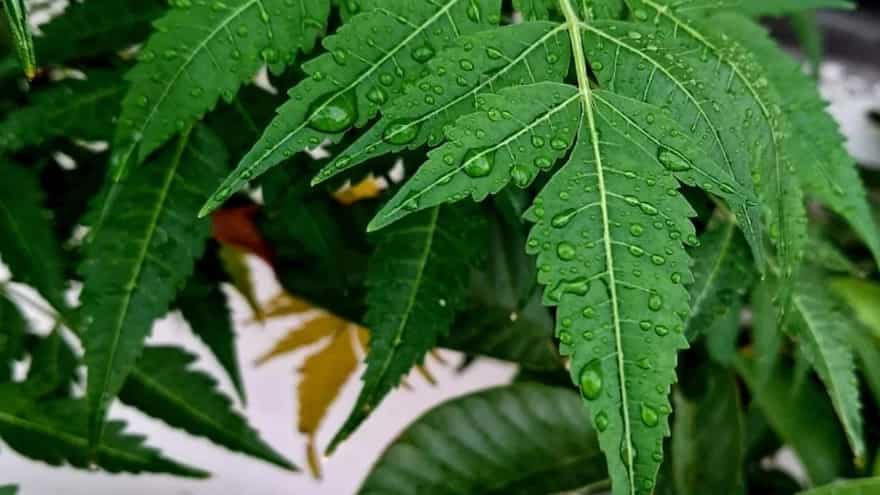
Image Credit: Pexels
7. Using Neem Leaves
Neem leaves are a great disinfectant that is used in the kitchen for cleaning purposes and keeping the worms away. In the monsoon, a person can keep neem leaves in a jar of lentils, rice, greens, and other such dry things that are stored in the pantry. One has to simply make sure that the neem leaves are dried before being kept inside these boxes. This is an age-old technique that has been used by farmers to keep insects or bacteria away from their crops. One can try this easy technique to see how it works for them.
8. Keep Referigator Spotless
Cleaning the refrigerator from time to time is also a factor that one must consider. Very often, food gets spilt in the refrigerator and is not cleaned on an immediate basis. This leads to the accumulation of stains and food particles in different parts of the refrigerator. If not cleaned on time, these stored particles can lead to cross-contamination and the development of a foul smell. The moisture levels in the fridge will eventually affect the quality of other food items that are stored. Keep it Monica-clean, you know from FRIENDS? Just like that.




