


 Share
Share

An interesting study, published in the journal Food Sciences & Nutrition in September 2025, mentions that neem has greater nutritional value and signifies acceptance of life's bitter and sweet aspects. Antioxidants are thought to be abundant in it. It is an essential component of the Ayurvedic and Unani systems of traditional medicine because it inhibits the growth of germs and has anti-inflammatory qualities. This year is expected to be extremely hot, so it's critical to pay attention to how your body reacts to these conditions.
Given the potential for dehydration, gastrointestinal disorders, and other conditions that might impair the normal function of the internal organs, it is essential to drink cooling fluids and consume nutrient-rich foods that offer several health benefits. Many households around India try to use neem to utilise all its potential and incorporate it into all their meals.
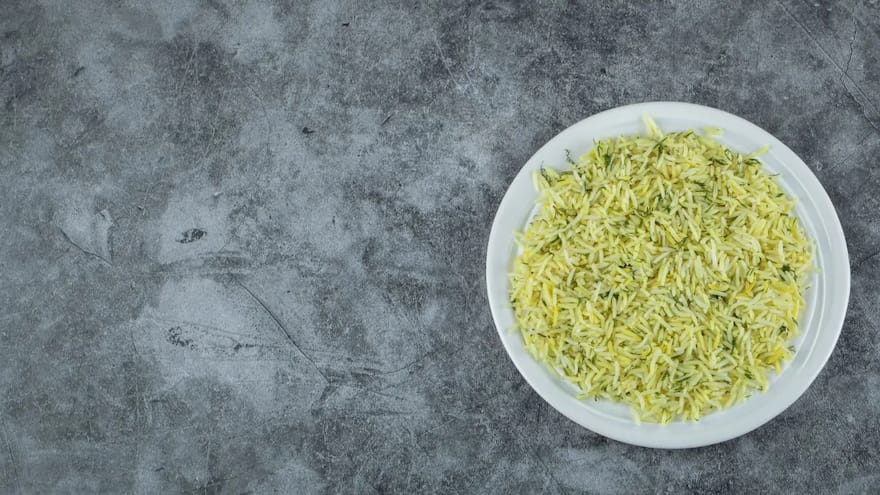
Image Credit: Freepik
For example, in Bengali households, edible falgun flowers are collected in February, March, and April expressly for their therapeutic properties, which are believed to protect against measles, chicken pox, and flu-like symptoms during seasonal weather changes. As mentioned in the journal Evidence-Based Complementary and Alternative Medicine, neem is one of the main ingredients used in these kitchens. Also, neem is used in many ways, from breakfast to lunch, especially in states where the sun is really harsh. Neem blossoms are also regarded as a superfood, as they help with digestive problems as summer gives way to spring.
In Indian cuisine, neem is incorporated in chutneys, curries and vegetables and is a staple in many households. In fact, chewing on neem leaves in the morning or using twigs of neem as a datoon to brush your teeth can get rid of stomach infections and improve digestion. Read on below for some creative ways in which neem can become a part of your diet:
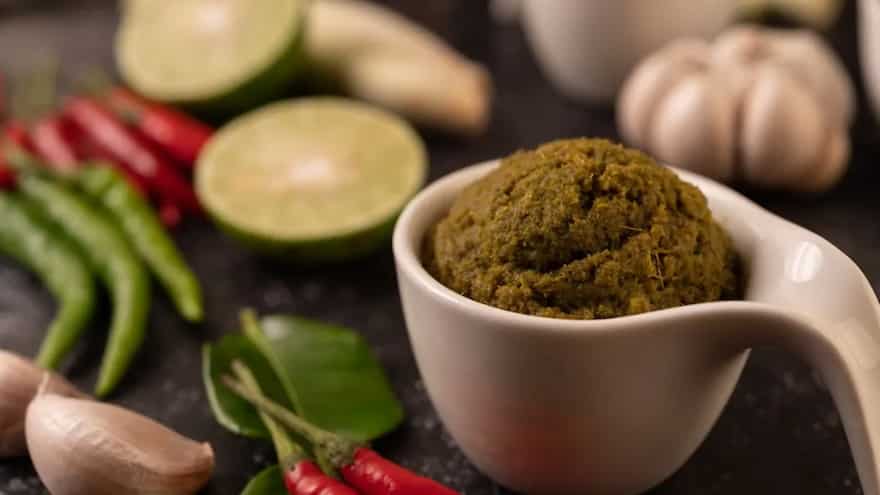
Image Credit: Freepik
Neem Powder Chutney
This powder chutney is like podi and pairs well with warm idlis and dollops of ghee. Made from dried coconut, sesame and dried and crushed neem leaves, it is extremely nutritious and good for treating stomach infections. A southern Indian recipe that has travelled to neighbouring regions, this powdered chutney is now a staple in many Maharashtrian homes.
Also Read: 5 Neem Benefits You Must Know
Neem Leaf Rice
Also known as veppam poo sadam, in South Indian cuisine, neem leaves are often used to prepare this rice dish that combines the bitterness of neem leaves with the nuttiness of sesame seeds and the fragrance of coconut. The neem leaves are sautéed in oil along with mustard seeds, urad dal, and red chillies, imparting a distinct flavour to the rice. Veppam poo sadam is typically served during the Tamil New Year as it symbolises the amalgamation of bitterness and sweetness, representing life's varied experiences.
Neem Rasam
Made from tur dal, rasam is filled with nutrients and has a soothing effect on the body. Introduce the bitterness of neem in the slightly tangy flavour of this southern Indian dish for an elevated taste. Rasam is generally had as an appetiser or with steamed rice and has multiple health benefits. Seasoned with mustard and red chillies, neem rasam is an inviting and relaxing soup.
Neem Leaf Kadhi
Enhance the nutritional profile of the traditional Indian kadhi by incorporating neem leaves. Neem leaf kadhi is made by whisking yoghurt into a smooth consistency and then cooking it with besan (gram flour), neem leaves, and a mix of spices. The neem leaves add a distinctive bitterness to the kadhi, balancing the tanginess of the yoghurt. This dish is not only flavourful but also brings the numerous health benefits associated with neem leaves, making it a wholesome addition to the Indian culinary repertoire.
Neem Raita
Upgrade the classic Indian raita by incorporating neem leaves for a refreshing and nutritious twist. Neem leaf raita is made by finely chopping or blending neem leaves and then mixing them with yoghurt. The bitterness of neem leaves is balanced by the coolness of yoghurt, creating a harmonious flavour profile. Additionally, you can add grated cucumber, roasted cumin powder, and a pinch of salt to enhance the taste. Neem leaf raita serves as a cooling accompaniment to spicy Indian meals and provides a unique blend of flavours.
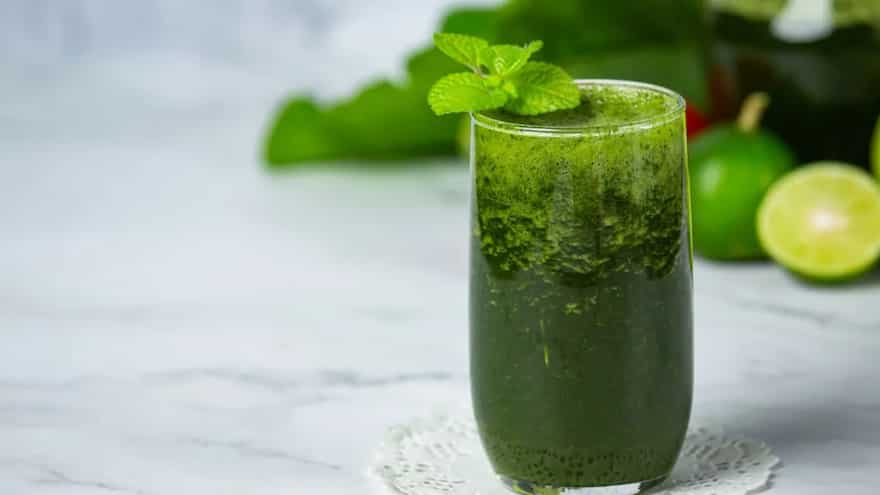
Image Credit: Freepik
Neem Flower Sharbat
When combined with ingredients like jaggery and ginger and steeped in water for a few minutes and consumed, the sherbet is known to reduce body temperature during the summer. As per the International Journal of Economic Plants, it is proven to be an effective way to combat acidity issues as well as help cope with gut issues like bloating or indigestion. The consumption of neem flower in any form is also an after-effect-free way to balance blood sugar levels and prevent diabetes.
Neem Begun
This is a classic Bengali dish that is made by marinating brinjal in turmeric and salt before tossing it in lots of neem fried in mustard oil. Cook the brinjal until it acquires a crispy skin and toss in some chopped chillies for a bit of a kick. This dish can be paired with warm steamed rice. Full of a strong neem flavour, it is good for those with a gyppy tummy.




