


 Share
Share

Holi in Maharashtrian regions arrives with a celebration of good over evil, involves lighting a bonfire that burns away all sins and corrupt thoughts and comprises an offering made to this pyre, which in mythological lore is said to burn the demoness Holika.
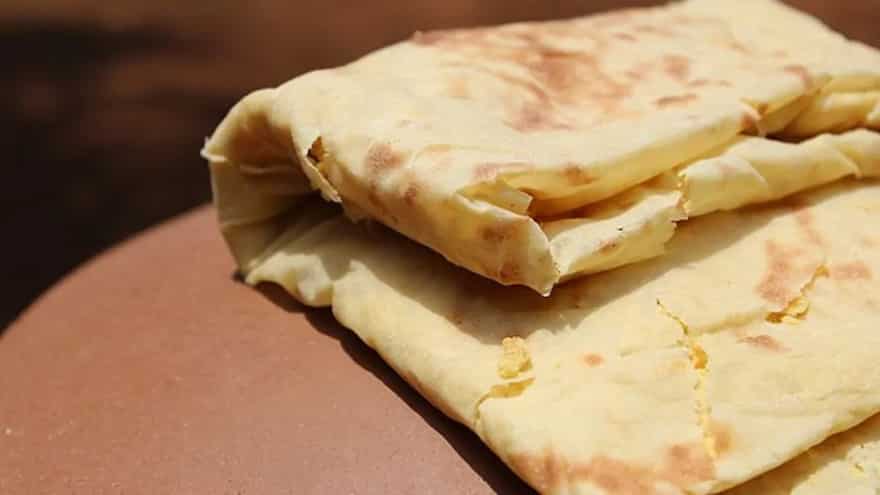 Contrary to certain pronounced celebrations of Holi in several northern Indian regions, Maharashtrians mark the festival in a subtler fashion, that is just as colourful. And as with every region, this province too has its own distinct food culture associated with the Holi feast. Some dishes are inseparable from the meal curated especially on this festive day in Maharashtrian kitchens.
Puran Poli
At the core of Holi celebrations in Maharashtra lies the puran poli or a stuffed, sweet flatbread made with a gram or chana dal and jaggery stuffing. Food cultures here feature the ‘puran poli lunch,’ or a meal revolving around this freshly made, soft and sumptuous flatbread that is served with a generous helping of ghee and a side of warm milk laced with saffron strands.
Katachi Amti
Balancing out the sweet flavours of the puran poli is the katachi amti. The ‘kat’ or the base of this dal is derived from the strained water extracted when chana dal is cooked to make the puran for the sweet puran poli. This residual water with a bit of cooked dal is stirred in a tempering of mustard, curry leaves and a hint of red chilli powder. Some jaggery is also added to this spicy, tangy lentil curry for evening out its pronounced spicy flavours. Puran poli is dipped into the katachi amti and milk alternatively while consuming the holi feast.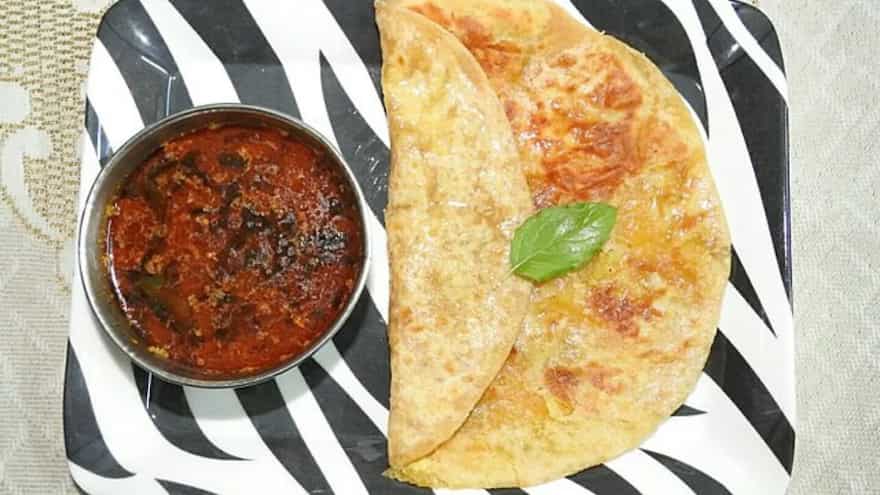
Batata Bhaji
Another classic and quite the staple preparation on the Holi day which accompanies the puran poli is a sabzi made using boiled potatoes. Cooked in a simple tempering of green chillies, mustard, curry leaves, turmeric and some hing, the soft potato chunks offer a light spicy contrast against the sweet flavours of the puran poli. Batata bhaji can be served alongside varan-bhat, another essential on the puran poli platter.
Varan-Bhat And Ghee
Traditionally, the puran poli meal begins with a little dollop of varan-bhat served warm on the festive platter. A bite of this plain, perfectly cooked tur dal and rice, flavoured subtly with ghee, salt and a little bit of lime juice brings a welcome acidity onto the festive platter. Eating varan-bhat is traditionally consumed even before the puran poli and is a required element while presenting a ritual offering to the Holi puja, making its presence all the more essential on the festive platter.
Shevayachi Kheer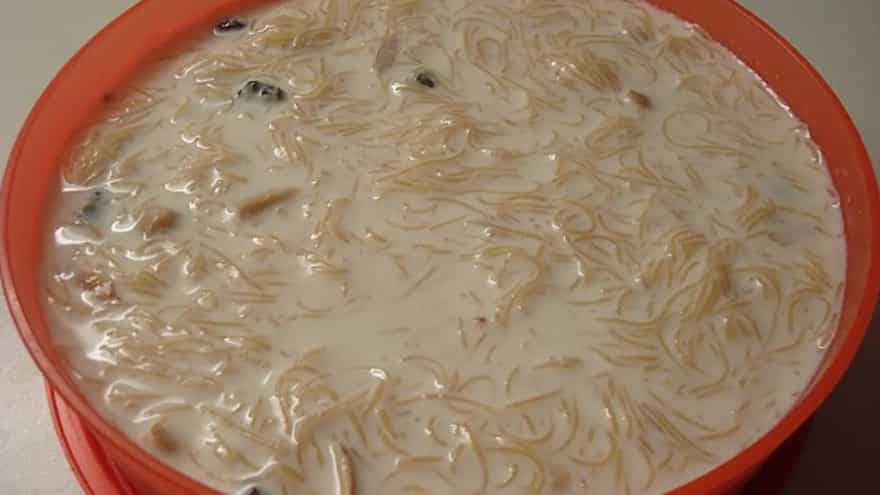
A soft, milky and creamy vermicelli kheer forms the foundational sweet offering of the Holi platter. In traditional culinary cultures, eating just half a spoonful of this vermicelli or shevaychi kheer marks the beginning of the festive feast. So, sitting down to a Holi lunch, one begins with the shevayachi kheer, followed by varan-bhat and then the puran poli.
Papad And Koshimbir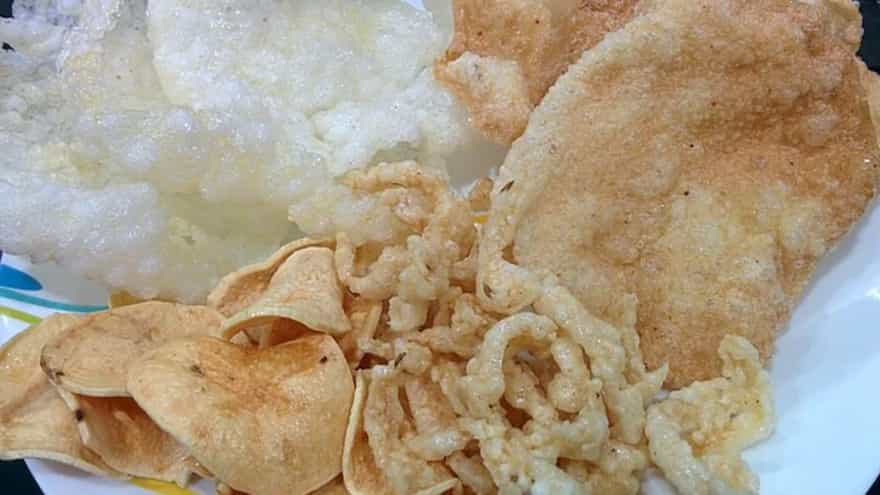
Two other accompaniments inseparable from a traditional Maharashtrian fare are the crunchy papad and the cooling koshimbir or raita. Generally, fried papad bites are placed on the platter to bring a crunchy, textural, spicy play into the otherwise sweet-forward meal. Koshimbir, generally made using cucumbers or carrots, brings a hydrating and fresh flavour onto the palate, acting as a cleanser between too many sweet bites.
Buttermilk Or Chaas
Bringing the meal to a close is creamy, thick buttermilk which aids smooth digestion after a feast that involves feasting on some rather heavy, sweet and savoury dishes. Cool buttermilk hydrates the body, soothes the gut and leaves you feeling fresh and light, making it an inseparable part of the Holi fare. Thin masala chaas seasoned with cumin powder, crushed chillies and coriander is also an interesting option that finishes off the wholesome festive meal.




