


 Share
Share

When you walk into your kitchen in the summer, the oven feels like an enemy, heavy meals lose their appeal, and the one thing you truly crave more than anything else is something cold and bursting with flavour. From the smoky-spiced mango drinks of India to the frothy lime concoctions of Brazil, every culture has crafted something extraordinary from whatever fruit grew closest to home. These fruit-based drinks are more than just thirst-quenchers. They are culinary traditions passed down through generations, shaped by climate, agriculture, colonial history, and the simple human need to stay cool. Many carry medicinal roots; others were born out of street food culture or festival tradition. Here are 7 of them that you can whip up in your homes if you want!
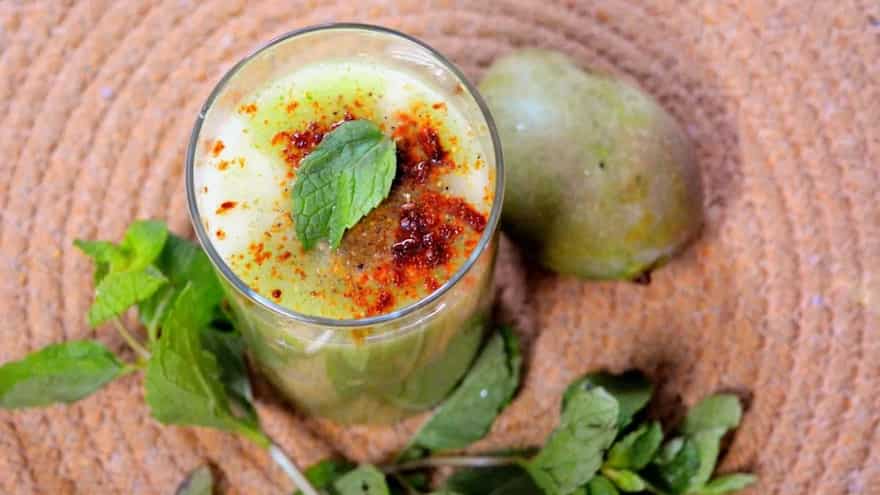
Image Credit: Pexels
Aam Panna, India
This drink hails from the Indian subcontinent, where raw green mangoes are abundantly available before the summer season arrives. This ancient drink was traditionally made by roasting or boiling unripe mangoes, then blending the pulp with water, sugar, cumin, black salt, and mint. For centuries, Indian households have turned to aam panna as a natural heatstroke remedy due to its high vitamin C content and electrolytes. The earthy tartness of the green mango, sharpened by spices, creates a deeply complex flavour that is utterly unlike any tropical drink in the West. It remains one of India's most beloved summer staples.
Agua de Jamaica, México
Hibiscus flowers, known as Jamaica or natively pronounced ha-MY-ka in Mexico, have been steeped into a brilliant crimson drink since the days of the Aztec Empire. Brought to the Americas via the African slave trade through the Caribbean, the hibiscus plant found a second home in Mexican culture and became a cornerstone of the country's famous aguas frescas tradition. To make it, dried hibiscus petals are simmered in water, sweetened, and served over ice. The result is a deeply tart, floral drink with a ruby-red colour that looks as impressive as it tastes. Agua de Jamaica is now popular across North America and beyond.
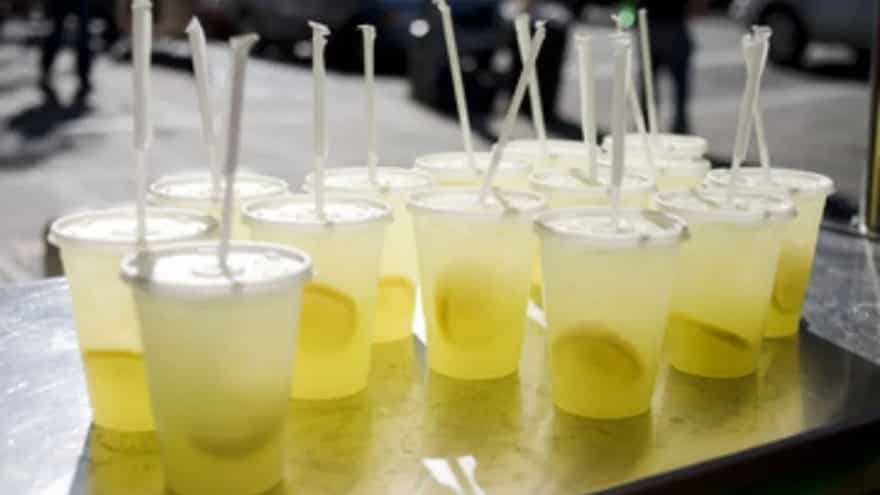
Image Credit: Adobe Stock
Limonada Suica, Brazil
Despite its name meaning ‘Swiss lemonade,’ this drink is entirely Brazilian and originated in São Paulo's café culture in the 1980s. According to folklore, it was likely invented by a creative barista looking to do something unexpected with limes. Unlike traditional lemonade, limonada suica is blended with whole lime, skin and all, with sweetened condensed milk, water, and ice. If you cannot handle the tartness, don’t try it, but if you want to challenge yourself and your taste buds, you may sip this. It is frothy and creamy, and looks like a milkshake, yet as refreshing as a citrus cooler. It's wildly popular throughout Brazil's long, hot summers, and once you try it, plain lemonade will never quite satisfy again.
Nam Manao, Thailand
Thailand's answer to summer thirst is nam manao, a simple yet perfected lime juice drink served in street stalls from Bangkok to Chiang Mai. This fruit drink is made with freshly squeezed Thai limes, which are smaller and more intensely flavoured than their Western counterparts. Sugar syrup, water, and a pinch of salt make up nam manao, which achieves a balance of sour, sweet, and savoury that is distinctly Southeast Asian. The addition of salt is key to enhancing the citrus flavour and replenishing minerals lost through perspiration. Served over crushed ice in a plastic bag with a straw, a beloved Thai street food tradition, it is the perfect urban summer refresher.
Hwachae, South Korea
Hwachae is South Korea's quintessential summer punch, built around the country's deep love affair with watermelon. Hwachae simply means ‘fruit punch’ in Korean, and the watermelon version has been a warm-weather staple for centuries, documented in royal court cuisine from the Joseon Dynasty. The drink is made by scooping watermelon into balls or chunks, then floating them in a sweetened liquid base of honey water, ginger ale, or barley tea, often garnished with pine nuts and edible flowers. Modern Korean cafés have elevated it into an art form, serving it inside hollowed watermelon shells. Its popularity spikes every July and August, when watermelons flood Korean markets, and every household keeps one chilled in the refrigerator.
Divul, Sri Lanka
Made from the divul fruit, a hard-shelled, intensely aromatic tropical fruit native to the Indian subcontinent, where it is called woodapple, it is one of the island's most distinctive summer beverages. Woodapple has been consumed in Sri Lanka for over two thousand years, referenced in ancient Ayurvedic texts for its digestive and cooling properties. To prepare the drink, the pulp is scooped from the shell, blended with coconut milk or water, sweetened with jaggery or sugar, and strained into a thick, creamy juice. It is sold by street vendors and roadside stalls across Colombo and Kandy. It is one of those drinks that defines Sri Lankan summer for generations of locals.
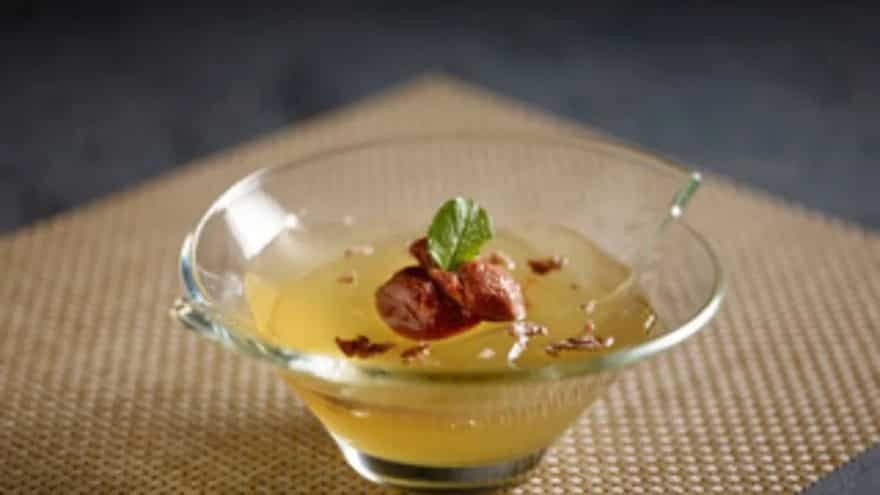
Image Credit: Adobe Stock
Suan Mei Tang, China
It is also called the sour plum drink and is one of China's oldest and most iconic summer beverages, with a history stretching back over a thousand years to the Song Dynasty. Made by simmering dried smoked plums or wu mei with rock sugar, hawthorn berries, osmanthus flowers, and liquorice root, the drink is strained and served chilled over ice. It was historically sold by street vendors in Beijing and Shanghai during the sweltering summer months, carried in large ceramic jars and ladled into bowls for passing workers and merchants. The flavour is a masterful balance of tart, smoky, floral, and sweet. Traditional Chinese medicine has long prized it for relieving heatstroke, aiding digestion, and restoring energy. Today, it remains a staple of Chinese restaurants and night markets, and has seen a major revival among younger generations rediscovering classic tang culture.




