


 Share
Share

Within Indian cuisine, a culinary landscape dominated by warm, freshly made curries and gravies, cold soups have often been overlooked primarily because of their serving style. As the name denotes, cold soups are either served chilled or at room temperature, which means they are designed to be refreshing and a bit subtly flavoured.
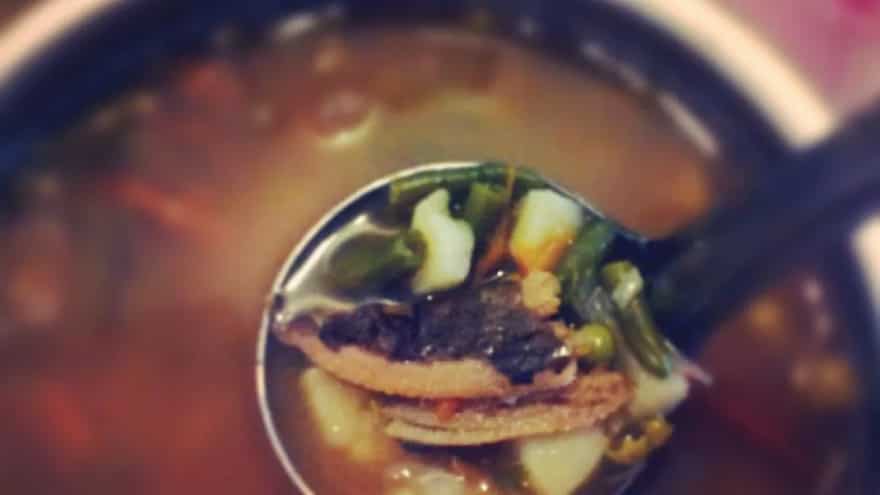
Image Credit: Flickr
In the summer, it is essential to consume water-rich produce like cucumbers, zucchini and tomatoes. All of these are excellent core ingredients for preparing cold soups. Cucumber and mint soup or a creamy, tomato and cucumber cold mix can be very hydrating for the body. Making cold soups also substantially cuts down on cooking hours. Come the warm weather, dinners have to be such that they require very little stove time. Cold soups fit this requirement the best. Many of these are simply blended and chilled, using local and regional Indian ingredients and lightly simmered on the stove for a very short period before refrigeration. If you’re planning to have cold soups for the rest of the summer months, try these Indian cold soup varieties:
Jholi, Uttarakhand
Jholi, a dish made with curd and besan, is mostly like kadhi, but still unique in itself. Actually, it is more adaptable as the besan can be replaced by rice flour. It is usually eaten with rice or bhaat and saag. This meal is a representation of how a meal is prepared in a pahadi kitchen, for the well-being of the body and not for show. Prepared with curd or buttermilk, besan and flavoured with basic spices, cumin, mustard seeds, and garlic, jholi is warm, lightly tangy, and easy to digest. It’s not heavy; instead, it soothes and relaxes you, particularly after a long, heavy day.
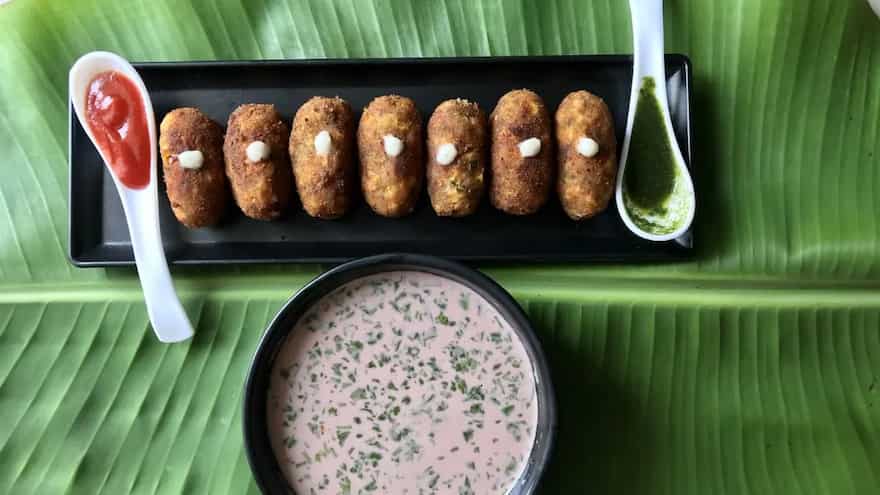
Image Credit: Wikimedia Commons
Sol Kadi, Goa
Originating from the coastal regions of Maharashtra and Goa, Sol Kadi is a refreshing pink drink made from kokum, coconut milk, and a touch of spices. The tangy and mildly spicy flavour of kokum makes it an ideal accompaniment to spicy Konkani and Malvani cuisine. Sol Kadi is not just a thirst-quencher but also aids digestion, making it a staple in coastal homes.
Majjige Huli, Karnataka
It's a Kannada term, where Majjige means buttermilk and Huli means stew made of vegetables and lentils. Thus, Majjige Huli can be called a curd-based vegetable stew. The dish Majjige Huli is cooked with a combination of various vegetables, including bottle gourd, cucumber, ash gourd, beans and potatoes. It's specially cooked for ceremonies and festivals in Brahmin households, and is also considered a Makar Sankranti food in Karnataka.
Pachi Pulusu, Andhra Pradesh
Pachi pulusu is not your regular rasam, but is different, though it may look the same. The basic difference between rasam and pachi pulusu is that the latter involves very little cooking. It uses gas just to temper the seasoning and nothing else. Pachi pulusu is an inseparable part of Telangana cuisine and tastes spicy. The ingredients of both dishes are the same, but the way they are made is different. We generally boil tamarind for rasam, but for pachi pulusu, the tamarind just needs to be soaked in lukewarm water for the dish.
Tok Daal, West Bengal
The simple tempering of mustard seeds and dried chillies enhances the taste, creating a light and tangy dish. Served with steamed rice, toker dal is a perfect way to beat the summer heat, offering a burst of flavour with every bite. In Bengali cuisine, there are several aam dal recipes or mango-packed lentil recipes that utilise raw mangoes for summer health benefits. Usually, these dal recipes call for masoor dal, a skinless pink-hued dal that is very easy to cook and digest.
Chamthong, Manipur
Chamthong is sometimes called kangsoi. It is a stew made with any seasonal vegetables, finely chopped onions or spring onions, ginger, and salt, then served with Ngari, dried fish, or fried fish and water. It has a soupy consistency and is consumed with rice. It does not entail frying in oil, but rather completely boiling vegetables available during the season, to make it more flavourful. Chamthong comes in many distinct types, and practically any vegetable can be used to make it.




