


 Share
Share

Indian home cooking often relies on slow-cooked ingredients, generous use of spices, and patience. While fresh food is usually celebrated, some dishes genuinely benefit from being allowed to rest overnight. It’s not just a matter of convenience or reheating leftovers. Something changes in the way the dish settles; the oil separates, the masalas blend in more thoroughly, and the harshness of certain spices softens. You’ll notice that the second-day version of the same food not only feels more familiar but often ends up tasting more complete and rounded.
What seems like a simple plate of rajma or chole on the first day can become a deeply flavoured, comforting meal the next, without having to add anything extra. That slow transformation, which happens quietly in the fridge, is part of the food’s natural chemistry. Here are six Indian foods that show this best.
1. Rajma (Kidney Bean Curry)
Kidney beans take time to soak up flavour, even if they’ve been boiled for hours. On the day it’s made, rajma can taste good, but you’ll often find that the masala hasn’t reached the core of the beans yet. Leave the same curry in the fridge overnight, and by the next morning, something changes: the gravy thickens on its own, and the beans absorb the salt, heat, and tang much more evenly.
The extra resting time allows the rajma to develop a more uniform taste, with the tomato and ginger-garlic base settling down to create a smoother, balanced finish. Heat it slowly on the stove the next day, and you’ll find that you don’t need to adjust the seasoning much. Serve it with rice or roti, and you’ll probably notice the improvement without even trying.
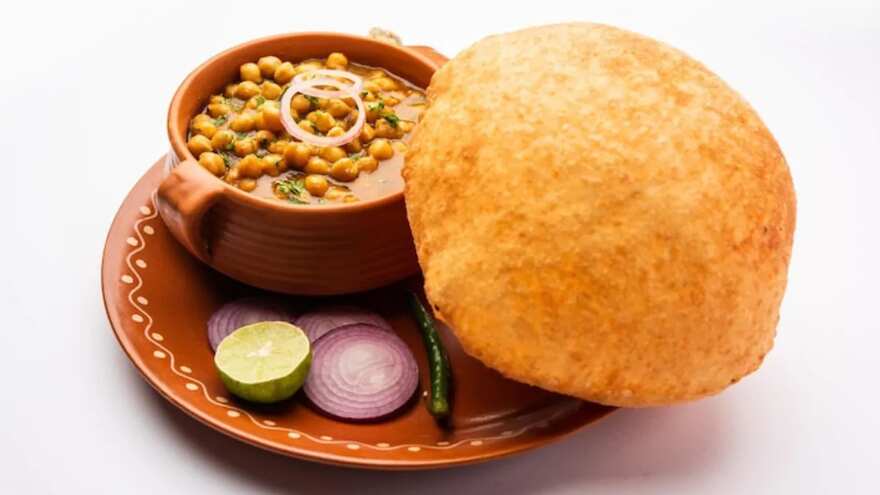
2. Chhole (Spiced Chickpeas)
Chickpeas, like rajma, take time to take on flavour. The difference becomes clear the day after you’ve cooked them. The thick, slightly dark gravy that clings to the chickpeas tends to mellow out overnight, especially if you’ve added tea bags, whole spices, or dry pomegranate powder to the base.
The gravy gets deeper in colour, less acidic, and more rounded. The chickpeas themselves become softer, without turning mushy, and the dish as a whole feels heavier, not in a greasy way, but in terms of richness. A little warm water during reheating brings the curry back to life, and the final dish often feels more satisfying than when it was first made.
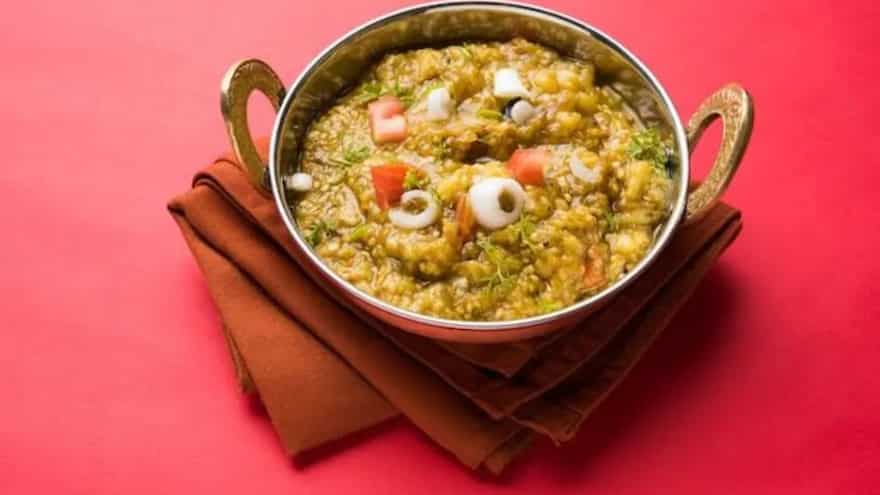
3. Baingan Bharta (Roasted Brinjal Mash)
When baingan bharta is freshly made, the flavours are often strong: raw onions, green chillies, and the smokiness of roasted brinjal hit quite hard. But once the dish has been stored overnight, something subtle happens. The brinjal gets cooler in tone, the oil in the dish helps carry the spice more smoothly, and the raw aromatics mellow down, allowing the smokiness to take over in a more balanced way.
Reheating it gently, maybe with a spoon of mustard oil or ghee, helps bring back a bit of brightness. When eaten with soft phulkas or parathas the next day, the flavour profile often feels more stable and enjoyable, without that punch of rawness it sometimes has on day one.
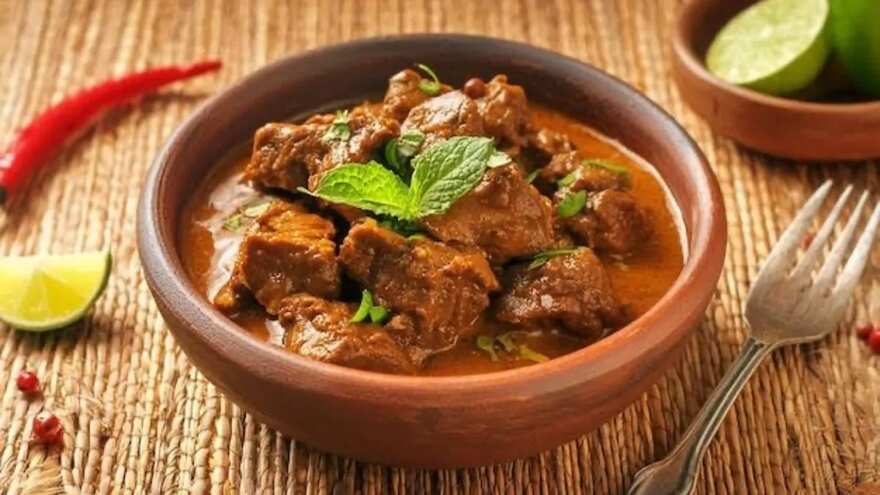
4. Mutton Curry
A well-made mutton curry, especially one with an onion-based gravy, almost always tastes better after a few hours or overnight. Red meat releases fat and flavour slowly, and once the curry cools, the fat rises and sets on top, locking the spices in place. By the time you reheat it the next day, the flavours have soaked into the meat more deeply, and the gravy often feels richer, even without adding anything extra.
Unlike chicken, mutton doesn’t dry out easily on reheating, so the pieces stay moist and soft. Just heat it on low and avoid over-stirring. Pair it with jeera rice or warm parathas, and the result is often better than what you had the day before.
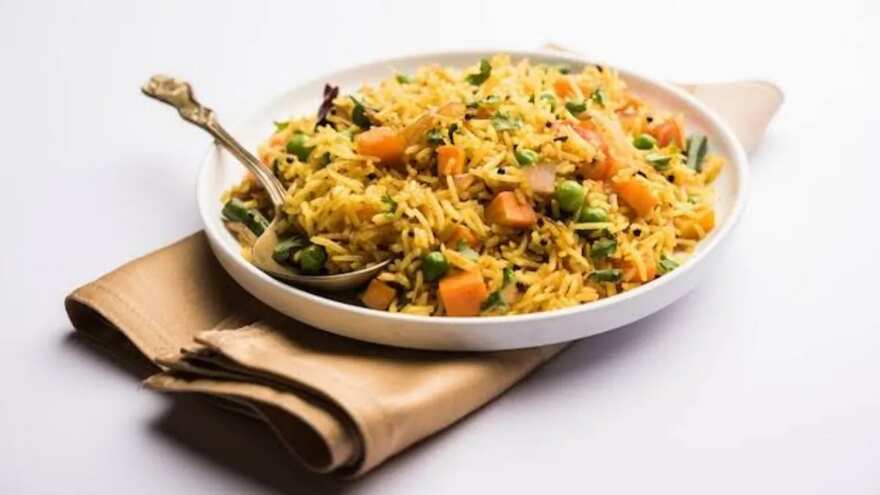
5. Vegetable Pulao
It’s not just gravies that benefit from resting. Even a simple pulao can develop more flavour after sitting for a while. When you store pulao, the rice continues to absorb the aroma from whole spices like bay leaves, cloves, or cardamom. The vegetables also soften a little, and the ghee or oil used to cook it redistributes more evenly.
The next day, the grains are more distinct and carry more spice, even without any extra masala. Add a spoonful of ghee while reheating to revive it properly. It tastes great on its own or served with raita or pickle. The overall texture feels improved, not soggy, as long as it’s not over-steamed.
6. Sarson Ka Saag
Sarson ka saag is one of those dishes that quietly improves overnight, without needing anything extra. Made from mustard greens, often with a bit of spinach or bathua mixed in, it’s slow-cooked with ginger, garlic, green chillies, and finished with a generous spoon of ghee. On the first day, it tastes fresh and strong, but the bitterness of the greens can still feel a little sharp. By the next day, though, the flavours settle into each other and the saag thickens naturally, becoming smoother and deeper in taste. The roughness mellows, and the ghee sits more evenly across the surface, giving every bite a richer mouthfeel.

Pairing it with fresh makki ki roti and white butter on the side, especially in winter, turns this into a complete and comforting meal. In Punjabi homes, it’s not unusual for the saag to be made in large batches so it can be eaten over several days, because most people know the best version usually shows up on day two or even three.




