


 Share
Share

Meghalaya's cuisine is built for heat, not the heat of spice, but the practical, lived wisdom of a hill community that has always known how to keep the body cool, fed, and grounded through the warmest months. The ingredients are local, the techniques are unhurried, and the flavours carry a freshness that no air conditioner can replicate. Its summer food is light without being unsatisfying, flavoured without being heavy, and rooted in a relationship with local produce that city cooking is only now beginning to rediscover. These are the dishes worth making this summer from Meghalaya:

Image Credit: Adobe Stock
Jadoh
Breakfast is a delightful blend of flavours and textures that reflect the region's hilly terrain and rich agricultural produce. A typical Meghalayan breakfast often includes dishes like jadoh, a filling rice dish cooked with meat, usually pork and a variety of aromatic spices. Meghalaya is also known for its love of tea, and a cup of steaming hot Khasi tea, made with black tea leaves, milk, and sugar, is a common accompaniment to breakfast. Jadoh is often served with a side of spicy meat curry or chutney, making it a wholesome and satisfying meal.
Doh Khlieh
Well, if anything, a summer salad works wonders in the scorching heat isn’t it? This particular summer food from Meghalaya is a lifesaver for many people!Doh khlieh is a traditional pork salad that is eaten by the Khasi tribe of Meghalaya. It is mainly prepared by using pig brains and also contains other organs of the pig. The term literally means mixed meat, and it is precisely how the dish is made, which is by mixing all the parts of a pig. The salad is healthy, delicious and one of the easiest pork dishes that you can prepare at home if you want to. Although there are several variations of the dish, people in Meghalaya add ingredients according to their own taste since the entire dish does not require more than 5-6 ingredients.
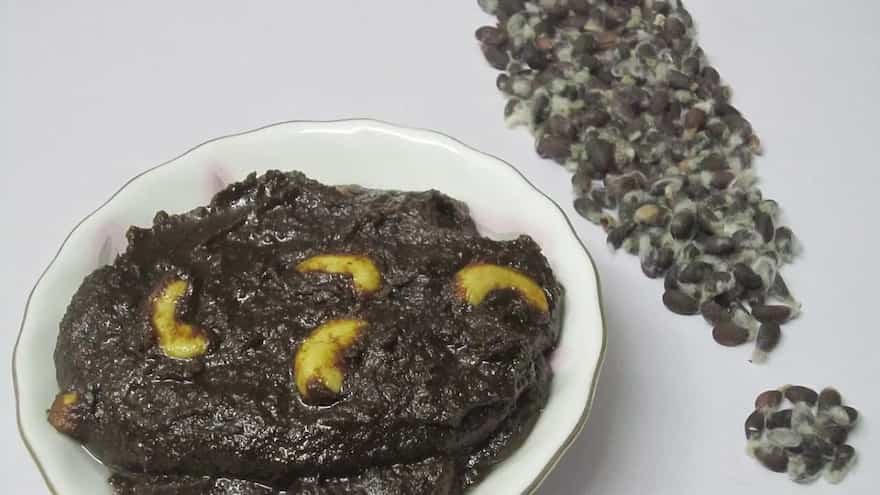
Image Credit: Wikimedia Commons
Tungrymbai
It is a popular dish in the state of Meghalaya that is made using pork and fermented soybeans. The soybean used in this dish is locally grown in Meghalaya and other towns. It is prepared by frying pork and soybean along with garlic and onion, then it is seasoned with sesame powder and salt. Locals also pair it with bread or roti, which makes the dish a wholesome meal. Eating tungrymbai also helps in keeping the body warm during the cold weather. So people, houses, families, and clans will undoubtedly have different ways of creating tungrymbai. It is also known as the Kharbudon recipe, as developed by someone who is a mother to the chef and mother-in-law to the maker.
Pumaloi
A combination of pork and tender bamboo shoots cooked with traditional herbs, with a slightly sour and smoky flavour common in Garo and Khasi households. The Khasi tribe has a particularly strong attachment to Meghalaya's famous food. Rice is cooked till soft and fluffy, then served alongside spicy pig or chicken meals. It is appropriate for all types of parties since it is gentle on the digestive system and quite warm and pleasant. The dishes are simple and require few ingredients, demonstrating how much the villagers enjoy eating homemade cuisine.
Minil Songa
Minil Songa is a sticky rice recipe that is popular among Meghalaya's Garo people. Minil is a sticky rice with a deep, nutty taste and delicate texture. It has a high concentration of starch, making it sticky. Minil Songa is made by boiling minil rice in fresh bamboo and serving it as a snack. It relieves constipation and aids digestion. The bamboo used in the preparation adds a distinct flavour to the meal, making it a must-try for anybody interested in Meghalayan cuisine.
Sohiong Sherbat
Sohiong, a black plum endemic to the highlands of Meghalaya, does not travel well or make a loud announcement. When pressed into juice, it becomes something completely worth the trip. Sohiong juice is deep, almost inky in colour, with an acidity that opens the throat and a natural sweetness that comes gently behind. It tastes like summer in Meghalaya, which is cool, leisurely, and utterly unique. The flesh is tart, juicy, and layered in a way that takes a moment to fully understand. In Meghalaya, sohiong is eaten fresh, dried, made into jams, and fermented and is a fruit that the Khasi community has woven into its food culture so completely that the summer season feels incomplete without it.




