


 Share
Share

Pachadi is a staple and integral part of Andhra cuisine, offering a spectrum of flavours to complement rice, roti, and other dishes. Made with a variety of vegetables, fruits, and greens, these chutneys are often spicy and tangy in taste, thanks to the spices and herbs they include.
Video Credits: shaziya's recipes/ YouTube
Many families in Andhra have passed down their unique pachadi recipes through generations, with each generation adding their twist based on taste and preferences. From beerakaya pachadi to dosakaya pachadi, these chutneys aren’t just side items; they are flavour bombs that can light up your whole plate. In this article, you will find varieties of pachadi that can lift your mood, bring comfort, and make your meal truly satisfying.
Beerakaya Pachadi ( Ridge Gourd Chutney )
This chutney is made using tender ridge gourd, also called beerakaya. The vegetable is first cooked until soft, usually with green chillies and onions. Then it's blended roughly with tamarind, salt, and a little garlic. A tempering of mustard seeds, red chillies, and curry leaves is poured on top. Beerakaya has a naturally mild taste, so this pachadi turns out smooth, creamy, and comforting. It goes well with hot rice and a spoonful of ghee, and also tastes good with roti. It’s one of those simple dishes that can be made quickly and doesn’t need too many ingredients.
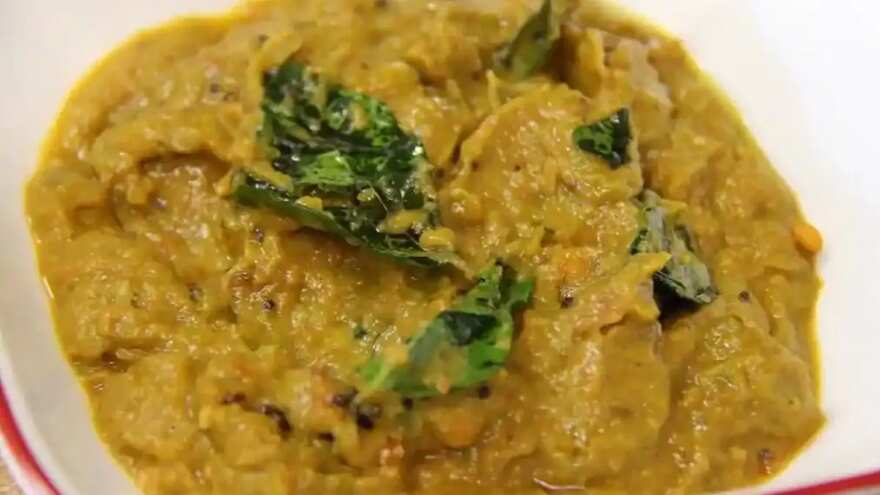
Image Credits: Wikimedia Commons
Palli Pachadi ( Peanut Chutney )
Peanut chutney is commonly made in Andhra kitchens, especially for breakfast. Roasted peanuts are ground with green chillies, garlic, tamarind, and salt. Some people like to add fried onions or coconut for extra richness. Once blended, a hot tempering with mustard seeds, curry leaves, and dry red chillies is added on top. This chutney has a rich, nutty flavour and is very filling. It pairs well with idli, dosa, upma, and even rice. Many people also spread it over chapatis as a quick roll. It’s simple, tasty, and can be made with pantry ingredients in no time.
Allam Pachadi ( Ginger Chutney )
This one is for those who like bold flavours. Allam means ginger, and this chutney brings out the spicy, slightly sweet taste of fresh ginger. It is made by frying ginger pieces with tamarind, jaggery, red chillies, and salt, and then grinding them into a thick paste. The sweet and spicy balance makes it stand out. A spoonful of this chutney can liven up a plain meal. It tastes especially good with pesarattu (green gram dosa) or steamed rice. The chutney also helps with digestion, which is another reason it’s often served at the start of a meal.
Kobbari Pachadi ( Coconut Chutney )
Fresh coconut is the star here. This pachadi is usually made by grinding grated coconut with green chillies, roasted chana dal, and a little tamarind. Some families also add garlic or ginger, depending on their preference. Once ground, a quick tempering with mustard seeds, urad dal, and curry leaves is added on top. Kobbari pachadi is cooling and light, and goes really well with spicy foods as it balances out the heat. It’s commonly served with dosa, vada, or even plain rice and dal. Since it doesn’t need much cooking, it’s also very quick to prepare.
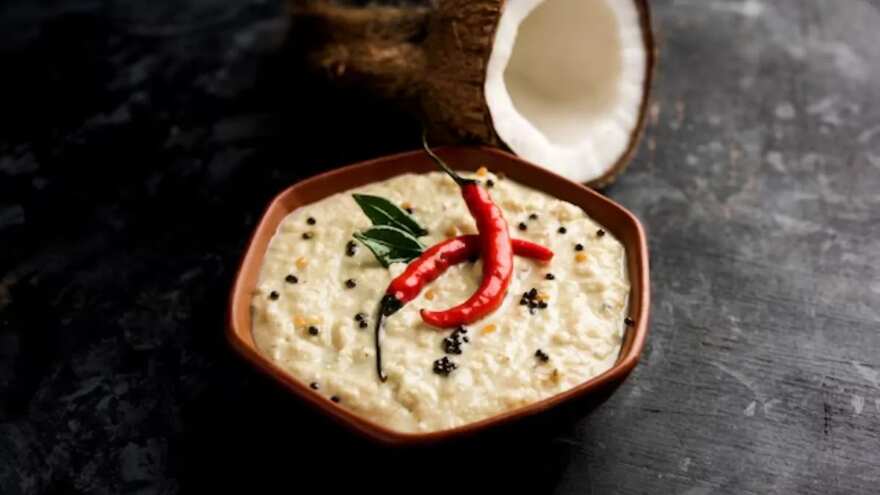
Image Credits: Freepik
Gongura Pachadi ( Sorrel Leaves Chutney )
Gongura leaves are known for their sharp, tangy flavour. This chutney is a classic in Andhra households. The leaves are cooked until soft and combined with garlic, red chillies, and a bit of mustard. Once ground, the pachadi is thick, dark, and bold in taste. Some versions include onions or green chillies for extra punch. Gongura pachadi is best enjoyed with hot rice and ghee, though some people also eat it with curd rice or rotis. It’s especially popular during summer when the leaves are fresh and easily available.
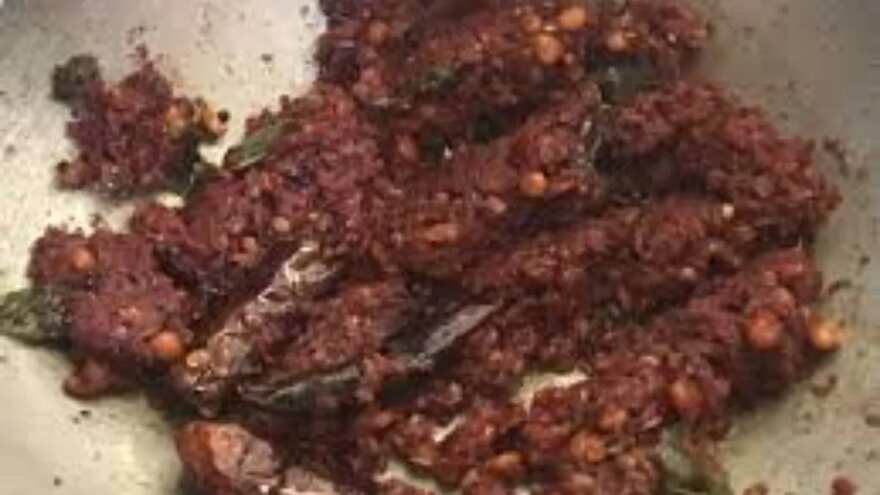
Image Credits: Wikimedia Commons
Dosakaya Pachadi ( Cucumber Chutney )
Made using yellow cucumber (dosakaya), this chutney is refreshing and slightly crunchy. The cucumber is peeled, chopped, and blended with green chillies, tamarind, garlic, and salt. Some people also like to fry the cucumber pieces before grinding for a stronger flavour. After blending, a tempering of mustard seeds and curry leaves is poured in. This chutney has a fresh, slightly sour taste and goes best with plain rice and dal. It can also be served as a side with chapati. It’s quick to make and feels light, especially on hot days.




