


 Share
Share

Flowers aren't just for bouquets and gardens; they can also add a burst of colour, flavour, and aroma to your culinary creations. Edible flowers such as Jasmine have been used in cooking for centuries, bringing a touch of elegance and a hint of nature's beauty to the dining table. Floral flavours are the talk of the town when it comes to new-age recipes, making themselves a part of headline ingredients. Here are 5 delightful recipes that showcase the art of floral fusion, allowing you to elevate your dishes with the essence of Jasmine blooms.
Xewhali Phool Chutney
The night jasmine is a shrub that is close to the hearts of people living in Assam. It not only inspires cultural expression but also the culinary arts. Known as the ‘tree of sorrow’ for losing its blooms at dawn, it has provided sustenance in these regions during those colder times of the year when fewer varieties of vegetables grow. Its fragile constitution ideally requires gentle handling to preserve its essence. The chutney is made by lightly stir-frying the blossoms in minimal oil and spices to preserve its delicate aroma, and the dried flowers can also be added for their additional nutrients and to get an interesting bitter taste.
Also Read: Bogori To Kordoi: 6 Unique Fruits From Assam
Jasmine Syrup
A jasmine syrup recipe starts by infusing the heady scent of these flowers into another ingredient, in a sense, that could be used with many things like desserts, over ice cream, cocktails and even the summer coolers you’d typically sip on through the day. Known as the ‘queen of flowers’, the fragrance of jasmine is perfect to infuse into sugar by placing a few pods in a jar and pouring sugar over them. With the versatile uses of this jasmine sugar, the syrup is even better as it adapts to a wider variety of recipes.
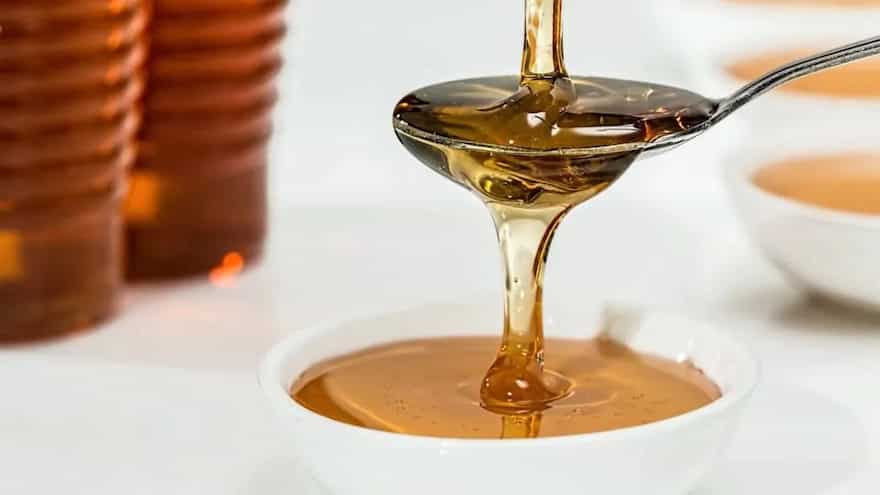
Image Credit: Pexels
Jasmine Rice
Rice dishes in India not only come with a variety of cooking methods and ingredients but also different varieties of rice. Amongst all the popular varieties of rice, jasmine rice is the one that is the carrier of a floral aroma, decadent flavours and a puffy texture. The long-grained, fragrant and healthy variety is widely consumed in India and deliciously complements most Indian curries too. However, the texture of the rice makes it quite difficult to cook perfectly. The puffy variety usually ends up mushier than required.
Jasmine Tea
As a tasty substitute for energy and caffeine drinks, jasmine tea is a great option. The main advantages of jasmine tea are its antioxidant content, preventative qualities, and soothing effects. Jasmine tea is the best option if you want to include tea in your diet. Jasmine tea is made from a mixture of real tea leaves and jasmine blooms. Jasminum officinale is the type of jasmine plant from which jasmine blossoms are often collected. One of the two types of jasmine plants—common jasmine or sampaguita—is used to make the fragrant jasmine teas of today. Heart disease, cancer, and diabetes are just a few of the dangerous illnesses that jasmine tea can help prevent. Because jasmine tea contains high levels of antioxidants and anti-inflammatory ingredients, it can also help support radiant, healthy skin and strengthen the immune system.
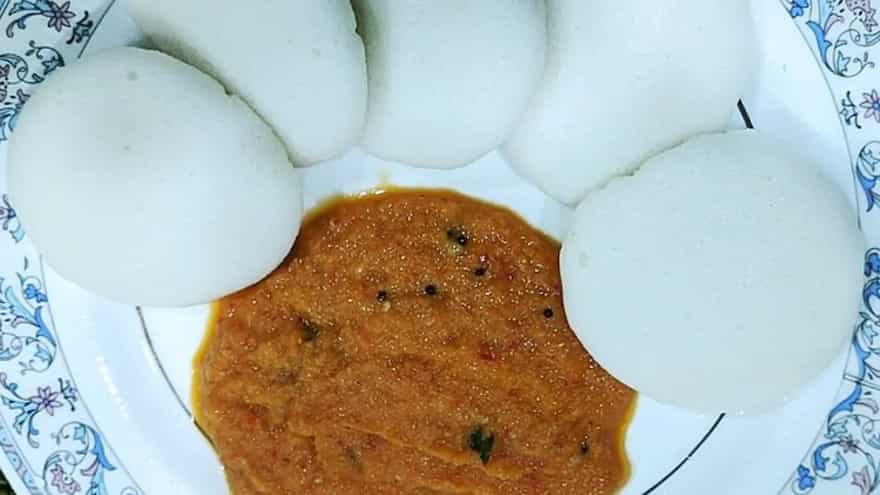
Image Credit: Wikimedia Commons
Jasmine Idlis
Typically paired with sambhar and chutney, idlis are of many shapes, sizes and colours. One such popular kind of idli from the Kannada cuisine is Mallige idlis. This is rice-based idli, but it is much, much softer and whiter in comparison. The fluffy idli is also known by many interesting names, such as Jasmine Idli, since it is as white as the jasmine flower. Mallige is the Kannada word for jasmine. The peculiar nomenclature has nothing to do with the scent of idlis; it is not floral. Instead, it has the fragrance of nice fermented food; the hot steam adds a lovely freshness to it. Another name of the idli is Kushboo idli, after the popular actress Kushboo, who was apparently so fair that the idli was supposedly named after her.




