


 Share
Share

Apart from eating vegetables raw or cooked with their skin intact, the peels can be removed and cooked separately as well. Utilising vegetable peels in cooking is a sustainable and nutritious practice. From crispy snacks like potato peel crisps to wholesome dishes like vegetable peel chutney, there are interesting ways that showcase how one can creatively incorporate peels into their daily lives. This not only reduces waste but also ensures you’re benefiting from the valuable nutrients often found in the skins of vegetables. Embrace the use of vegetable skins in a simple yet effective way to boost the nutritional value of your diet. Here are a few tips and tricks of using the vegetable peels to the fullest!
Carrot Peels
Seasoning your carrot peelings with spices and baking them can help to mask the bitter flavour that certain carrots have. To season carrot peels, a drizzle of oil, garlic powder, salt, and dried dill can be a good place to start. Making homemade stock is one of the best and most obvious ways to use carrot peels — or other vegetable peels, for that matter. It really doesn't require much creative flare. Leftover vegetable peelings can be used to make homemade stock, but they can also be transformed into a hearty winter soup. If the unappealing appearance of carrot peeling is keeping you from using it, you can always boil and combine it with other vegetable peels into a creamy soup.
Bottle Gourd Peels
By utilising every part of an ingredient, Bengali cuisine not only minimises waste but also creates a diverse array of flavourful and nutritious dishes. This sustainable approach to cooking is not just about reducing waste but also about respecting the ingredients and their potential to create delicious food. The bottle gourd, or lau, is a staple in Bengali kitchens, and every part of it is used in cooking. The flesh is used to make dishes like lau chingri (bottle gourd cooked with prawns) or lau ghonto (a dry curry with grated coconut). The peels are not discarded but instead used to make lau er khosha bhaja, a simple stir-fry with spices. Even the seeds are roasted and eaten as snacks or added to curries for an extra crunch.
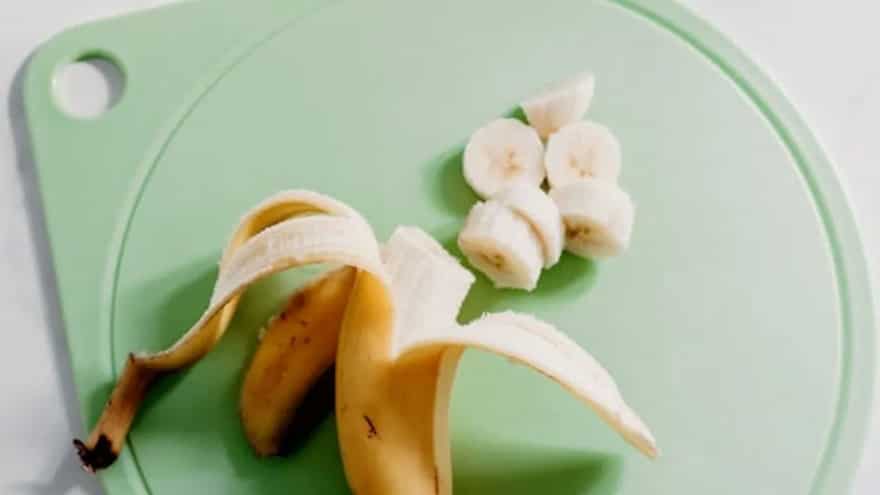
Image Credit: Pexels
Banana Peels
The world loves bananas because they are a sweet, velvety fruit. However, at least in Western nations, their thick, fibrous peels are not as often used as a food source. But in contrast to popular belief, banana peels are not only safe to eat but also provide a variety of health advantages. Eating banana peels has health and environmental benefits in addition to nutritional ones. Banana peel can be used to produce a deliciously healthy dessert or a healthy afternoon snack. If you use your imagination, you'll quickly realise why cooks all across the world frequently leave the banana peels on. A raw banana peel chutney with some chopped up curry leaves, some green peppers to taste, some banana peels, and a few skin-on garlic cloves makes up a perfect condiment. During the mixing process, a little fresh coconut, some chopped up amla, or lemon juice will be added.
Cucumber Peels
What you don't realise is that cucumber peels are extremely nutritious, and packed with antioxidants, minerals, and vitamins. If you want to see rapid growth in your countertop plants, this hack will come in handy. All you need to do is place some fresh cucumber peels in a jar. Fill it halfway with water, cover it with a lid, and soak the peels for 5 days. Cucumber peel ash grows plants like magic. All you have to do is dry the cucumber peels in the sun and, once completely dry, light a matchstick and burn the dried peels. This will aid in the transformation of the peels into ash. Sprinkle this cucumber peel ash on the plant's growing soil. Cucumber peel chutney is a tangy and refreshing condiment made from the peels of cucumbers. It is a great way to reduce food waste and add a burst of flavor to your meals. The chutney has a slightly crunchy texture and a zesty taste that pairs well with Indian dishes like dosas, idlis, and rice. It can also be used as a spread for sandwiches or as a dip for snacks.
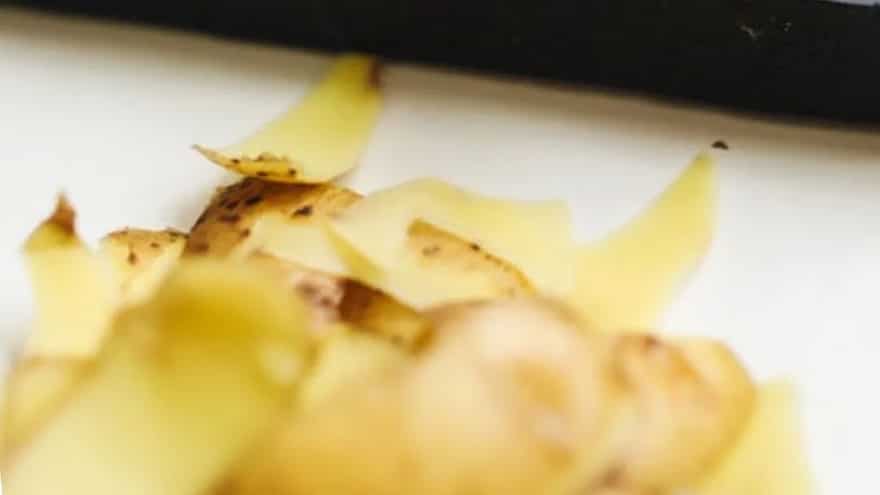
Image Credit: Pexels
Potato Peels
Instead of throwing out potato peels, soak them in water and once drained of all mud and soil, simply deep fry them to make crispy chips. Another alternative to avoid waste is to cook a stir-fried potato subzi with the peelings intact. Plus, if you’re keen on embracing a sustainable, zero-waste lifestyle, this is a quick and delicious step towards achieving that goal. Potato peels are high in potassium and thus, work efficiently when it comes to water retention. Surprisingly, potato peels could be used to drain herbal teas and filter the decoction that gets created in the boiling water. You didn’t know this, did you? If you want to get rid of your dark circles, potato peels are what you need. Because of their anti-inflammatory and softening properties, they can eradicate dark circles. Besides, they can also work like magic when it comes to bags under the eyes.




