


 Share
Share

A popular Korean dish is bibimbap, which is made of meat, vegetables, rice, and red chilli paste ‘gochujang’ and is crowned with a fried egg. Regional variations around Korea offer a variety of flavours and ingredients, each reflecting local culinary traditions and produce availability, although the basic principle stays the same. Apart from that, it gives an idea about the variety of food culture of Korea, besides demonstrating the versatility of bibimbap.
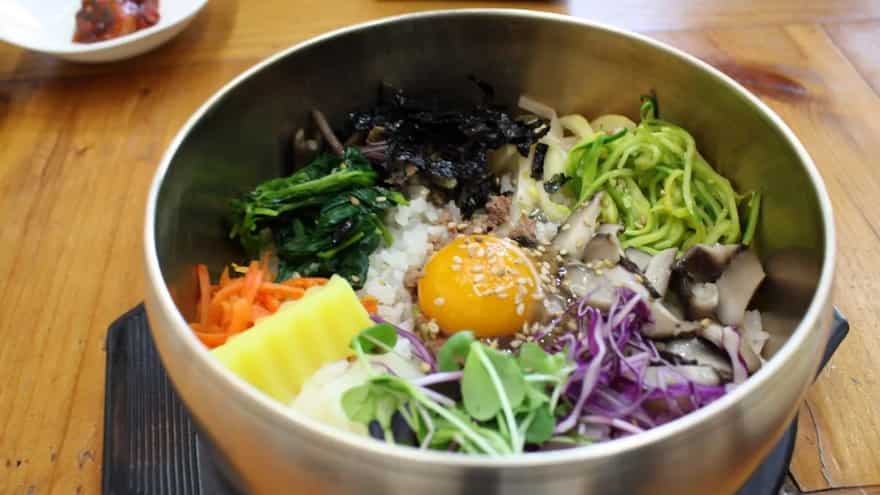
Image Credit: Flickr
The most well-known kind is probably Jeonju bibimbap, which comes from the city of Jeonju, which is regarded as the birthplace of bibimbap. This tasty dish has rice accompanied by colourful vegetables of spinach, radish, and zucchini, properly arranged and put on top. In addition to its liberal use of seasoned beef, which contributes a deep flavour profile, Jeonju bibimbap is renowned for its gochujang (Korean chilli paste), which adds a burst of heat. This kind is special because raw egg yolk is used in its preparation, and it enhances the texture and taste of the dish as well. For those who are interested in Korean food, Jeonju bibimbap is a must-try meal since it combines traditional preparation techniques with fresh ingredients.
There is a wide variety of flavours and textures in bibimbap, and each location has its own special variation of this traditional Korean cuisine. There's a bibimbap to suit every palate, whether you like the hot and sour Yeolmu kimchi bibimbap or the rich Jeonju bibimbap. In recent years, K-pop and K-dramas, even K-beauty, have been picked up as a huge trend all over the world. From moving to BTS and BlackPink tunes to loving Korean movies and dramas on Netflix, even Indians have caught on to this trend. But if there is one aspect of the global South Korean takeover that hasn’t reached India to that extent yet, it is K-food or Korean cuisine.
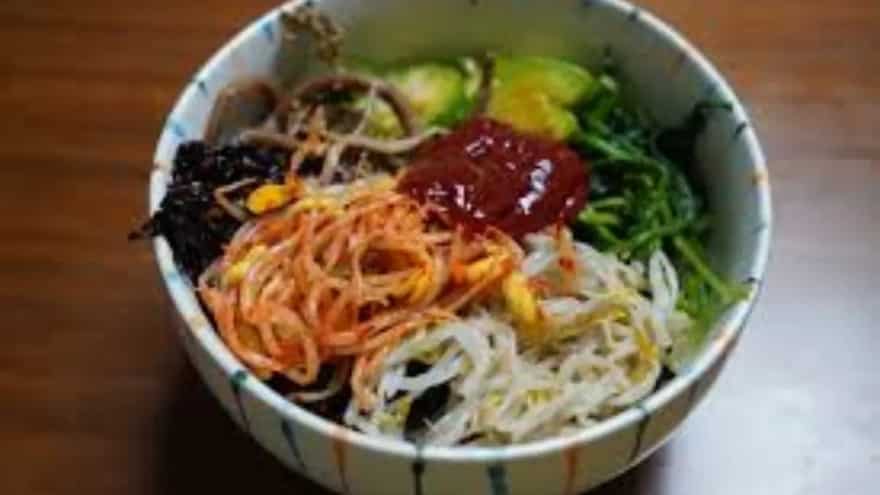
Image Credit: Wikimedia Commons
A Brief History Of Korean Bibimbap
Some speculate that the dish's name comes from 'goldongban', a phrase derived from written Chinese characters — 'goldong' meaning 'to mix', just as 'bibim' does in Korean, and 'bap' meaning rice — and refers to blending various items with rice in a bowl. Korea's goldongban ritual was originally used to empty out residences at the conclusion of one lunar year in preparation for the next. The meal 'goldongjiban' was created by combining pantry leftovers such as grains and dried namul (plants).
This word originally appears in Dongkuksaesigi, a book written by Hong Suk-Mo and published in 1849 to describe Korea's regional customs. The first documented recipe for bibimbap, named 'bubimbap' at the time, was written at some point in the latter part of the same century, in a cookbook called Siuijeonseo, which presented an overview of the dishes accessible in the later stages of the Joseon dynasty (1392–1910). It is a fun discussion; after all, if you're given a selection of greens, a bowl of rice, and some sauce, wouldn't it make sense to combine everything in one giant bowl, mix it up, and eat it with a spoon?
This colourful dish is a medley of sautéed vegetables, marinated meat, and a sunny-side-up egg, all served atop a bowl of warm rice. The magic happens when you mix everything with a dollop of spicy gochujang sauce, creating a symphony of flavours that's both wholesome and utterly delicious. If this is making you hungry, here are a few key tips to keep in mind while preparing Korean bibimbap:
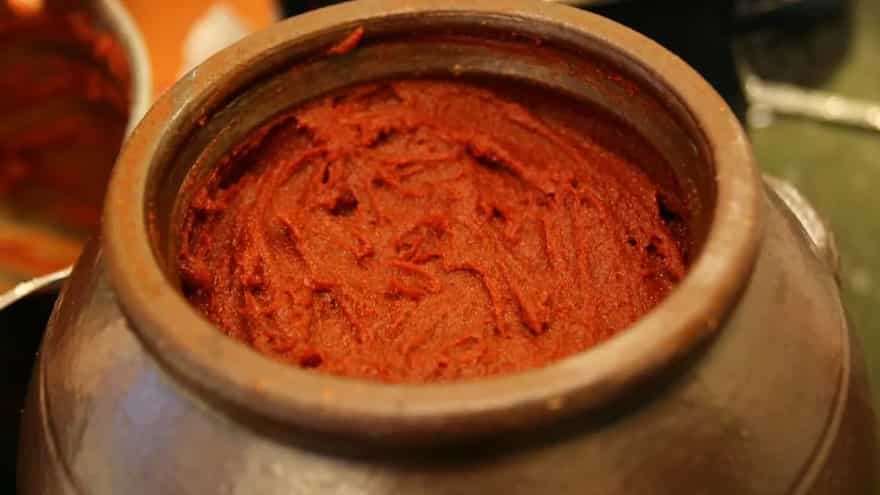
Image Credit: Flickr
The Sauce Is Key
It's probably not normal to start with the bibimbap sauce, but the sauces elevate this meal. You may use any vegetables and protein, including tofu, in your bibimbap, and it will still taste delicious once mixed with the rice and this sauce! The fundamental component of gochujang is an intensely flavoured spicy miso paste common in Korean cuisine, and adding this to your bowl of bibimbap is the best way to eat it.
Well-Marinated Meats
Nowadays, you may get bibimbap with a variety of meat toppings, but the traditional version is cooked with thinly sliced red meat. The meat seasoning is typically a milder variant of bulgogi, which is a Korean marinated beef dish. You don't need much flavour on the meat, since the sauce provides plenty. Some dishes even use the basic soy, garlic, and sesame oil combination to marinate the mix. The unique ingredient is grated apple, which is a signature technique used in Korean marinades to give taste, sweetness, and tenderness, and Nashi pear is also widely utilised sometimes.
The Core Vegetables
This bowl of comfort food will always need vegetables, and the elements of understanding how its aromatics lay down the taste profile are a must. For this recipe, you’ll have to soak shiitake mushrooms in boiling water, then slice and sauté with garlic, soy sauce, and sugar; fresh is okay, but dried has a stronger flavour. You need to keep the zucchini and the carrot sliced into batons, sprinkled with salt if desired, and left for 20 minutes before sautéing till tender. Then you have spinach and bean sprouts, which need to be steamed or boiled until wilted, then wrung out any remaining liquid and seasoned with garlic, sesame, fish sauce, or soy sauce.
Assembling A Bowl Of Bibimbap
There are no rules about how the veggies and meat should be placed on the rice, but try to use alternating colours to make it seem as wonderful as it tastes. Simply divide the rice into bowls and arrange the vegetables in wedges to form a colour wheel. Finally, add the meat bulgogi or place it in the centre of the rice, which is covered in veggies and garnish with a sunny-side up egg. For a final touch of flavour and aroma, add a sprinkle of toasted sesame seeds and a drizzle of toasted sesame oil. To bring everything together and infuse the bowl with a delightful kick of heat and savoury depth, add a generous drizzle of Bibimbap sauce.
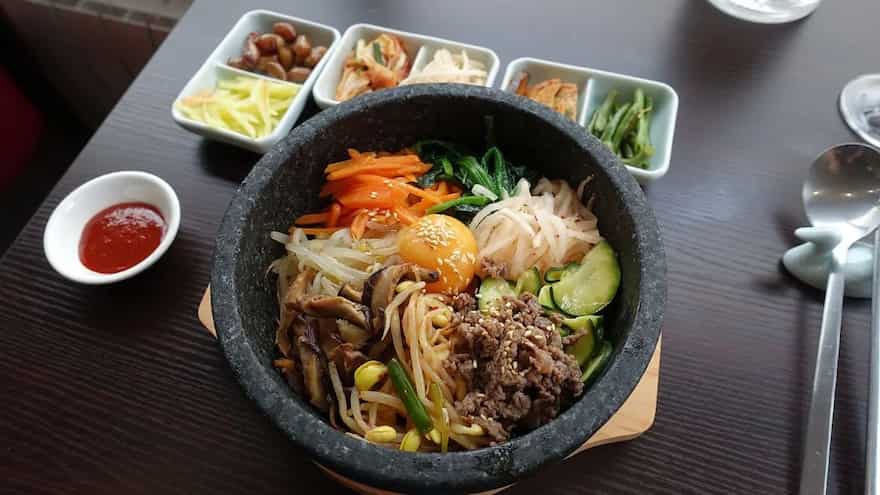
Image Credit: Wikimedia Commons
Learning How To Eat Bibimbap
The traditional way to eat bibimbap is to split the yolk into two crisscross slices using chopsticks, then toss the rice, meat, and vegetables with them. Toss completely with chopsticks, or use a spoon to ensure everything is properly coated with sauce. It's also worth noting that, while bibimbap is typically served in a metal bowl, there is a delectable version known as dolsot, which is named after the stone bowl that is served so hot that it toasts the rice on the bottom and keeps the rice warm while you eat. The egg for dolsot is served raw, to be whisked directly into the steaming rice. Regardless of which bowl the bibimbap is served in, mixing it up is the usual way to enjoy the flavour.




