


 Share
Share

Winter in Kashmir is not just about the season, but it is a mood, and the food mirrors it perfectly. As the temperatures drop and snow begins to blanket the valley, kitchens turn out the slow-cooked, spice-balanced dishes that are designed to warm the body from within. Kashmiri non-vegetarian food is not just about heat, but it is about depth. Gentle spices such as fennel, dry ginger, and cardamom work quietly, whereas rich cuts of lamb are cooked slowly to get the melt-in-the-mouth consistency. During the winter season, these dishes truly shine, and the cold lets the flavours settle, and the gravies thicken inherently.
Meals are prepared unhurriedly and often paired with steaming hot rice. From the festive Wazwan spreads to everyday comfort bowls, Kashmiri winter dishes are embedded in tradition, nutrition, and the idea that food needs to comfort as much as it needs to feed.
Rogan Josh
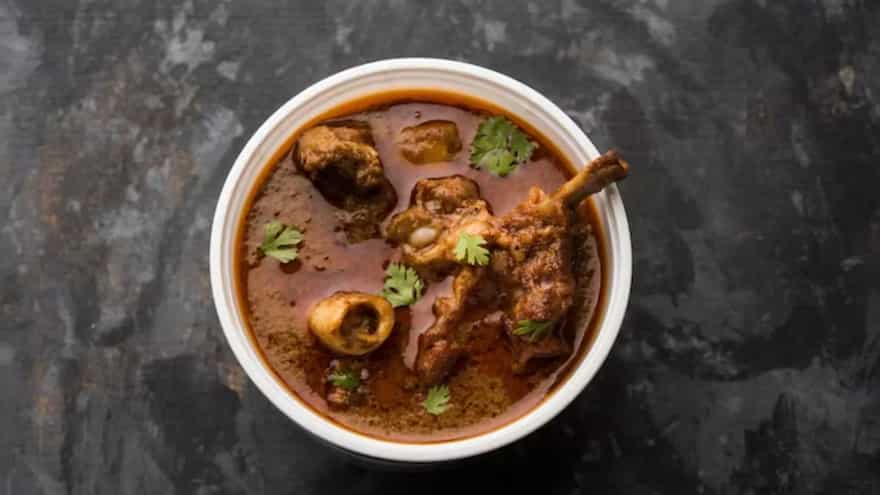
Talk of a Kashmiri non-vegetarian dish, and Rogan Josh comes first to mind without any second thought. Soft, tender lamb meat is cooked in a deep red gravy flavoured infused with Kashmiri chillies, fennel, ginger, and warming spices that feel precisely made for cold winter weather. The dish is not fiery, but is aromatic, gently spiced, and rich without being too heavy. During the cold winter season, Rogan Josh tastes more appealing because the slow cooking lets the fats and spices blend beautifully. It is traditionally enjoyed with steamed rice or girda (a Kashmiri bread), and is the kind of dish that is meant to be enjoyed hot and slowly on cold winter evenings.
(image credit: Freepik)
Yakhni
Yakhni is Kashmir’s answer to fine, subtle and soul-warming winter food. It is a yoghurt-based lamb curry that is delicate and extremely full of flavour, aromatised with fennel, dry ginger, bay leaf, and cardamom. Unlike other spicy gravies, yakhni settles quietly, which makes it perfect for winter digestion. The slow cooking process creates a creamy base that feels relaxing during cold winter months. Yakhni is best enjoyed with plain rice and is often part of celebratory winter meals, where its soft warmth perfectly balances the heavier dishes of the traditional Kashmiri spread.
Rista
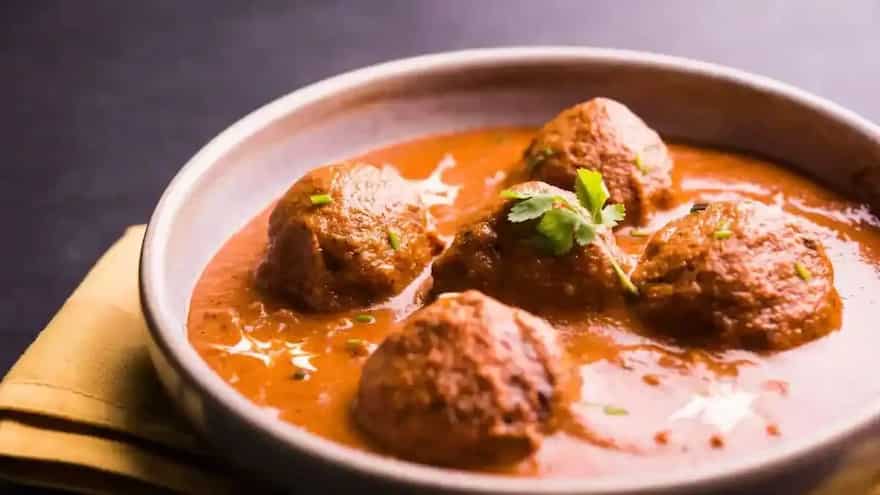
Rista is a carnival dish that truly shines in winter weather. The soft, hand-pounded mutton meatballs are cooked in a shiny red gravy that is prepared with Kashmiri chillies and fragrant, bold spices. It has a melt-in-the-mouth texture, whereas the gravy remains rich without being overwhelming. The winter season altogether enhances the rista’s appeal, i.e. the warmth of spices, the richness of meat, and the ghee-laden gravy that feels indulgent against the cold weather. Rista is traditionally served during weddings and feasts and tastes best when paired with piping hot rice.
(image credit: Freepik)
Gushtaba
Often called the king of Kashmiri dishes, gushtaba is a winter luxury. Large, silky mutton meatballs are cooked slowly in a creamy yoghurt gravy that is seasoned with dry ginger, fennel, and mild spices. The dish is warming without being too heavy or spicy. Winter is the perfect time to enjoy gushtaba because its slow digestion and comforting texture suit the cold temperatures. It is served at the end of a traditional Wazwan meal, and leaves you satisfied, warmed, and extremely content.
Tabak Maaz
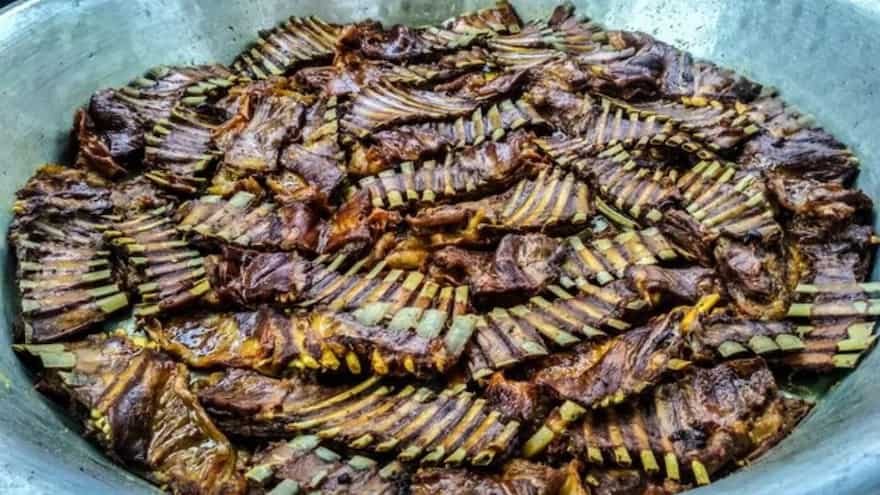
Tabak maaz is enjoyed during crisp winter indulgence. Lamb ribs are first simmered with mild spices, then shallow-fried until golden and crisp from the outside while remaining juicy from within. The contrast of textures makes it tempting during cold months. In winter, the richness of the meat and the crunchiness of the fried edges make it satisfying. Tabak Mazz is served as a starter in Wazwan meals and pairs beautifully with simple rice and chutney, making a favourite cold-weather treat.
(image credit: Freepik)




