


 Share
Share

The Indian subcontinent is a land rich with regional culinary diversity. Here, lentils are important as protein-rich staple foods and locally cultivated leafy greens bring with them great flavour and lots of iron and folic acid. In northern Karnataka, both these major ingredients come together to craft the muddi pallya, a thick side dish made by cooking dal and leafy veggies together. 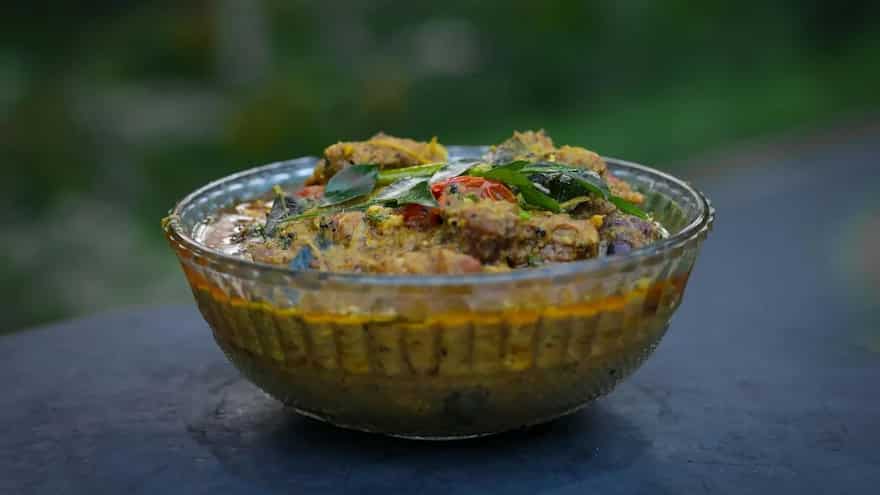
However, although a simple regional staple, muddi pallya is slightly tricky to prepare for a novice. Too much tamarind in the recipe makes it sour, too little and the muddi pallya falls flat. As well, adding too much dal to the thick sabzi almost turns it into a lentil curry and if leafy greens overpower, the muddi pallya resembles any other tossed green vegetable.
Choosing The Greens
Pallya in Kannada means vegetable. Evidently, the first step to making excellent muddi pallya begins with picking out the right leafy green vegetables. Traditionally, the sabzi is prepared using fresh amaranth or rajgira leaves but in its contemporary form, muddi pallya can also be prepared using spinach, radish greens or dill leaves.
The trick is to choose only those leaves which are tender and brightly green. Overly mature or fibrous leaves can take away the freshness of the vegetable. Soft leaves imbue a better texture and sweeter flavour into the recipe.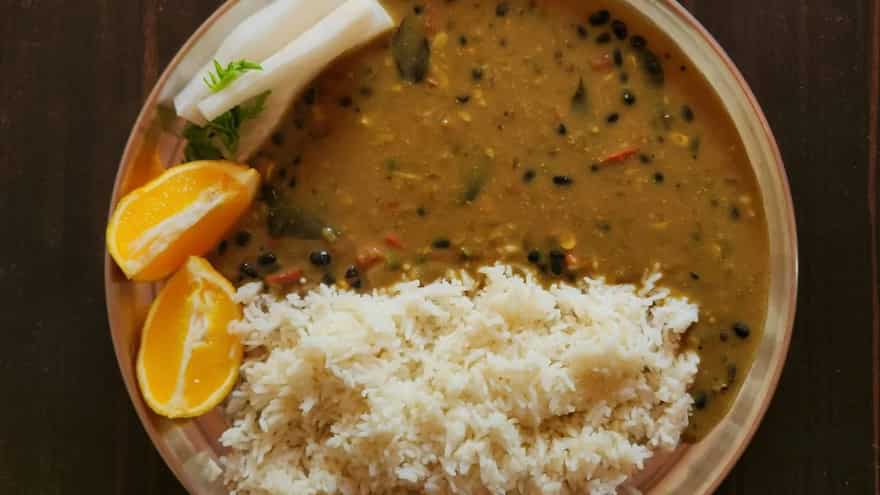
Cook Soft Dal, Not Mushy
The next most important tip to perfect the muddi pallya is preparing a mix of toor and moong dal for better density and thickness. However, the dal should be so cooked that it is soft and mashable but which does not turn mushy. When dal is too lumpy or thick, it takes away from the structure of the muddi pallya.
The sabzi becomes flat and dull and the leafy vegetables are hidden away under the mushiness and heaviness of the overcooked dal. So ensure the dal is soft, not too watery and that it blends really well with the leafy vegetables to give them a light structure.
Get The Consistency Right
Once the dal and leafy vegetables start cooking, keep them on low heat until the mixture thickens adequately. Muddi pallya is a side dish, it is neither a curry nor a dry sabzi but falls somewhere in between. This dish with a medium gravy is mixed into curd rice, sambar rice or dal rice so it has to have a consistency which is thick and semi-dry. 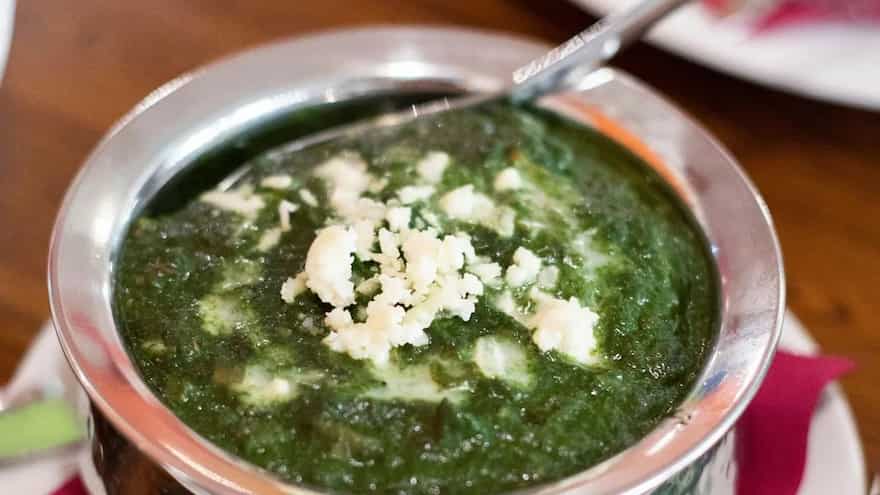
As well, the mixture needs to hold shape when it is pressed, without completely collapsing into a soggy mess. So, keep it semi-dry but avoid making the sabzi watery. If that happens, let it cook for a few minutes longer so the excess water is absorbed into the dal.
Proportion The Tamarind
What makes the muddi pallya truly stand out from other northern Karnataka recipes is the inclusion of tangy tamarind. This souring agent not only balances out the umami and savoury notes of the leafy vegetables and lightens the heaviness of the dal but also brings a very bright, tangy touch into the sabzi.
However, proportion the tamarind so that its mild flavour seeps into the muddi pallya without overdoing the acidity. This will bring vibrancy to the vegetable and infuse a much-needed flavour balance into the dish.
Magic Of Tempering
The final touch to the muddi pallya comes from the tempering. It elevates the dish to an altogether different level of spicy and umami notes. While the tempering follows the classic recipe, involving the addition of mustard, dried red chillies and hing, what brings that extra oomph in the recipe is a smattering of urad dal and curry leaves tossed in hot oil.
Pour this tempering over the muddi pallya and fold it in gently. Bring a precise, final elevated northern Karnataka touch into the dish by drizzling raw groundnut oil at the end.




