


 Share
Share

For most Indians, Middle-Eastern spices and Middle-Eastern food, in generalare very easy to relate to and understand. Most of the spices are used in ground form, whether it’s sumac or simple cumin. And just like in Indian cuisine, many spice blends can be used across all dishes, whether they are sweet or savoury. But because we love the addition of spices in our food, there comes a time in the life of all Indian foodies when, instead of eating Gobhi Aloo and roti for dinner, we crave Harissa-flavoured baked cauliflower with Hummus and Pita. It's on these occasions that a good stock of basic Middle-Eastern spices can make it or break it for you. Whether you’re making a simple Hummus, a Mediterranean salad, a Lebanese falafel, a Turkish pilaf or grilling fish or meat for dinner, Middle-Eastern spices can always come in handy. So, here are a few basic Middle-Eastern spices and spice blends that every home cook and foodie should stock up on.
Cumin Seeds
Cumin is a staple in both Middle Eastern and Indian cuisines. The seeds are small, elongated, and typically brown, though there is also a black variety known as black cumin. Cumin seeds, or "jeera," are often toasted or fried in oil at the beginning of cooking to release their aromatic oils. They are used in a myriad of dishes, from curries to rice dishes like biryanis, and even in beverages like spiced chhaas. Earthy, warm, and slightly peppery, cumin adds depth and a slight bitterness that balances well with other spices. While you can use it in Indian dishes like jeera rice or jeera aloo, it can also be used to make dishes like hummus and falafel.
Sumac
To add a tangy brightness, Sumac is commonly sprinkled over salads, such as the classic Fattoush, but it can easily be used to season Indian dishes, particularly grilled or tandoori meats, since it adds a citrusy punch without the moisture that lemon juice adds. Sumac is a key ingredient in the spice blend Za'atar, which is used to flavour flatbreads, meats, and vegetables. Its tartness also complements dips like hummus and baba ghanoush. Sumac is a reddish-purple spice made from the dried and ground berries of the sumac bush. It has a tart, slightly acidic flavour that is vibrant and can be layered with other spices.
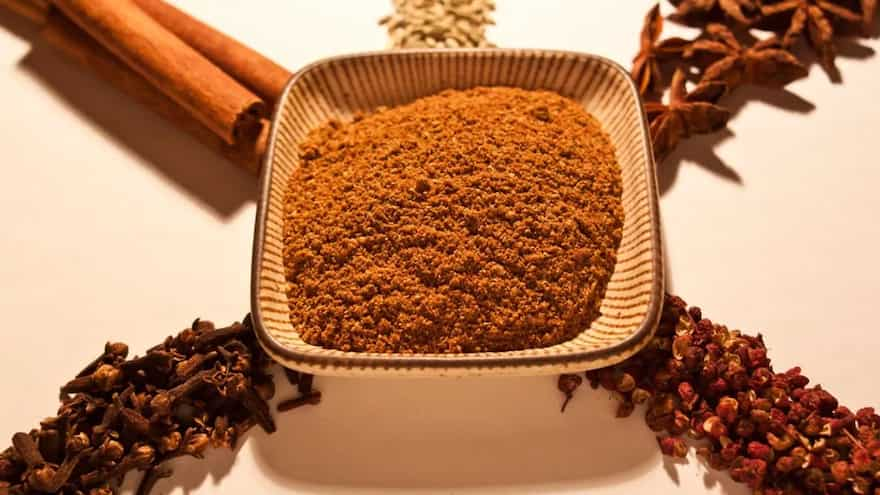
Image Credit: Flickr
Baharat
This blend typically includes a mix of black pepper, coriander, cinnamon, cloves, cumin, cardamom, nutmeg, and paprika. Each region and even individual families might have their unique variations of Baharat. Baharat is a versatile seasoning used in a variety of dishes. It is commonly used as a rub for meats such as lamb, beef, and chicken, imparting a rich, aromatic flavour. In stews and soups, Baharat adds depth and complexity, enhancing the overall taste profile. The blend is also used in rice dishes, marinades, and even some vegetable preparations. Baharat can be sprinkled over roasted vegetables or mixed into ground meat for kebabs, providing a balanced and flavorful seasoning.
Caraway
These seeds are a mix of sharp, sweet, and slightly peppery notes, with hints of citrus and anise. The seeds are small, crescent-shaped, and brown with lighter stripes. Caraway seeds are used to flavour a variety of Middle Eastern dishes. They are often added to bread and pastry dough, infusing the baked goods with their unique taste. In savoury dishes, caraway seeds are used to season meats, especially lamb and pork, as well as vegetable dishes and soups. They are also key ingredients in spice blends and marinades, providing a distinct flavour that enhances the overall dish. Caraway, also known as shahi jeera, is another well-known spice that is used in Indian kitchens. They are commonly confused with cumin seeds. Though their appearance is very similar, the taste of both of these spices is very different. The flavour of caraway is stronger as compared to cumin. Caraway seeds are mainly used in curries, rye bread, muffins, tandoori dishes, cookies, and French toast.
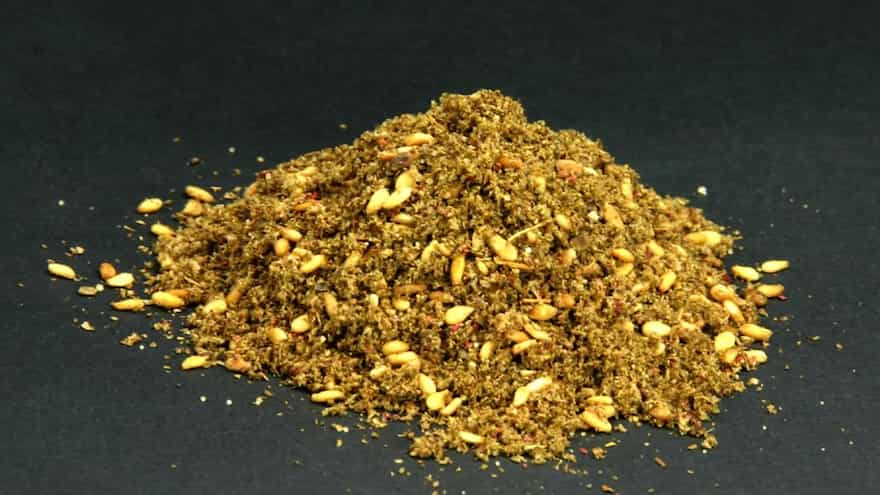
Image Credit: Wikimedia Commons
Zaa’tar
Za'atar is a traditional Middle Eastern spice blend that typically includes dried thyme, sumac, sesame seeds, and salt. Some variations might also include oregano, marjoram, and other herbs. The blend has a tangy, herbal flavour with nutty undertones from the sesame seeds. Za'atar is incredibly versatile and is used to season a wide range of dishes. It is commonly sprinkled over flatbreads, such as manakish, before baking. Za'atar can also be mixed with olive oil to create a flavorful dip for bread or used as a marinade for meats and vegetables. In salads, Za'atar adds a tangy and herbal note that complements fresh ingredients. It is also used to season yoghurt, cheese, and even roasted nuts. The blend's unique flavour profile makes it a staple in Middle Eastern kitchens.
Aleppo Pepper
Aleppo pepper is used to add a gentle heat and vibrant flavour to a variety of dishes. It is commonly sprinkled over grilled meats, vegetables, and salads. In stews and soups, Aleppo pepper provides a mild, flavorful heat that complements other spices. It is also used in marinades and rubs for meats, adding both colour and depth of flavour. The pepper's unique taste makes it a versatile ingredient in Middle Eastern cuisine, from kebabs to dips and sauces. It has a fruity, tangy flavour with a hint of cumin and a moderate heat level. The pepper is typically dried and ground into flakes or powder, often with a bit of salt and oil to enhance its flavour and texture




