


 Share
Share

Coriander-mint, coconut, tomato and peanut chutneys may conquer the Indian dining tables, but they are only a small part of the chutney tradition around the country. Across mountains, forests and the coastal regions, chutneys are also made with ingredients that seldom make it into mainstream cooking, such as foraged Himalayan herbs, dried fish, bitter gourd and even the red weaver ants. It is a known fact that these are not novelty foods made just for adventurous diners, but they are part of a local everyday food menu that is shaped by what grows, swims, gets foraged or can be preserved in a distinct landscape.
Ladakh's Tangthur, for example, incorporates seasonal greens with buttermilk and the fragrant herb skotse, whereas Bastar's Chaapda uses red weaver ants and their eggs to make the chutney, something that can rarely be imagined. On Maharashtra's coast, Sukhti chi Chutney turns the dried jawla into a spicy, punchy condiment, and Nagaland's Machihan blends to make bitter gourd and dried fish together. Their limited geographical reach, seasonal ingredients and community-specific techniques are specifically what make these chutneys so alluring, but still they remain relatively unexplored elsewhere.
Tangthur, Ladakh
Tangthur is a buttermilk-based Ladakhi chutney that is traditionally enjoyed during summer, especially alongside paba, a roasted-barley preparation. Seasonal greens like mustard, methi, bathua or radish leaves are first blanched, chopped and then mixed with whisked yoghurt and water. What gives the chutney its unique character is the tempering that is prepared with onion and skotse, a wild Himalayan herb having a garlic-like fragrance.
The greens make it earthy and vegetal, whereas the buttermilk keeps it tart and cooling, making it light for the stomach. Skotse is especially interesting: communities use it during the short summer season in Ladakh and dry it to use later, also making it a seasonal indulgence.
Chaapda, Bastar
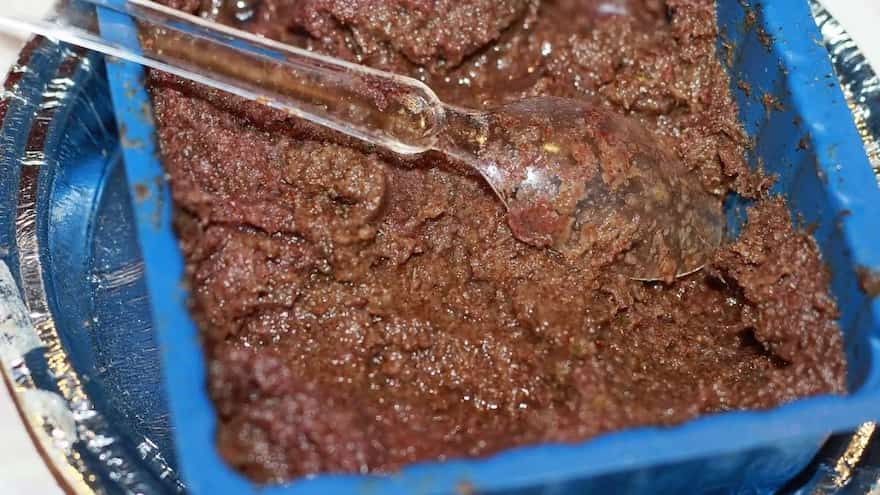
Bastar's Chaapda, also called Chaprah, is prepared with red weaver ants and their eggs, making it one of the most unusual chutneys that you can hear of. The ants are first collected from their leafy nests and then traditionally ground with ingredients like ginger, garlic, chilli and salt. Some versions also use tomato, coriander and raw turmeric to give it a tartness. The result is a sharp, sour, extremely spicy and distinctly delectable chutney.
The preparation of chaapda is closely associated with forest-based food knowledge: harvesting the nests itself needs experience because the ants aggressively defend them. Chaapda is eaten with everyday meals and can also be paired with dishes like rice and aamat. Its connection with tribal food traditions of Bastar, along with its unique principal ingredient, explains why it stays geographically rooted despite achieving wider attention.
(Image credit: Wikimedia Commons)
Sukhti Chi Chutney, Alibag
In coastal Alibag, Maharashtra, Sukhti Chi Chutney makes the dried fish the star ingredient of the preparation. The recipe uses dried jawla, a small dried shrimp and blends it with garlic, bedgi chilli, salt and oil. The jawla is dry-roasted until it turns crisp and fragrant, then pounded with garlic and the chilli before mixing in oil. It is a bit coarse in texture, giving the chutney a robust seafood taste with the heat it gets from the chilli and a strong roasted fragrance.
Although it can be eaten all year-round, it becomes particularly valuable during the monsoon, when fresh seawater fish is less readily available. Drying thus isn't just a flavouring process here; it is part of the coastal practice of preserving the seafood. Sukhti Chi chutney is paired with rice, bhakri and also everyday meals.
Machihan, Nagaland
Machihan, linked with the Lotha community of Nagaland, takes a very distinct route to the chutney. It combines tomatoes, green chillies, dried fish, bitter gourd or karela and brinjal with garlic, then grinding. The fish is first cooked thoroughly, then the bitter gourd and brinjal are added so that the vegetables maintain their texture. Everything is then pounded to make a coarse chutney.
Its defining taste lies between bitter karela, fiery chilli, acidic tomato and deeply savoury dried fish. Other Lotha variations use fermented dried fish, Naga basil and the dried yam stem, displaying that Machihan does not have a single fixed recipe. It is traditionally eaten with rice and is part of a wider Naga practice of serving chutneys alongside the staple meals.
Shrolo-Tangthur, Ladakh
Even within Ladakh, Tangthur has many other local expressions. Shrolo-tangthur uses the soft shoots of shrolo-marpo and shrolo-serpo, which are wild local edible plants, then rinsed thoroughly and mixed with curd. The preparation shows how the region's chutneys are made with the plants available in a particular season. Other wild plants, that includes nettle, phololing and shalmasgok, are also used in local chutneys or the curd-based preparations.
The appeal of Shrolo-tangthur is hence not a heavy spice mix but the flavour of a freshly foraged Himalayan plant against the sourness of curd. Such preparations are seldom experienced outside Ladakh because the ingredients themselves are linked to the high-altitude landscape and regional knowledge of edible plants.




