Share


Daily meal prep in an Indian kitchen often falls into a predictable routine of chopping vegetables, tempering spices in a kadhai, and simmering everything down until soft. While comforting, this traditional method can sometimes leave everyday vegetables like cauliflower, okra, and potatoes feeling a bit repetitive or overly mushy. Introducing an Usha air fryer into your weekday routine completely refreshes how you approach basic sabzis, giving you precise control over heat intensity and cooking duration. Instead of relying on heavy oil to build flavour, you can use targeted temperature dials and rapid hot air circulation to blister skins, crisp edges, and lock in natural sweetness before tossing the vegetables in your favourite spice blends. Five creative ways follow, showing how simple setting adjustments can transform ordinary sabzi prep into something genuinely exciting.
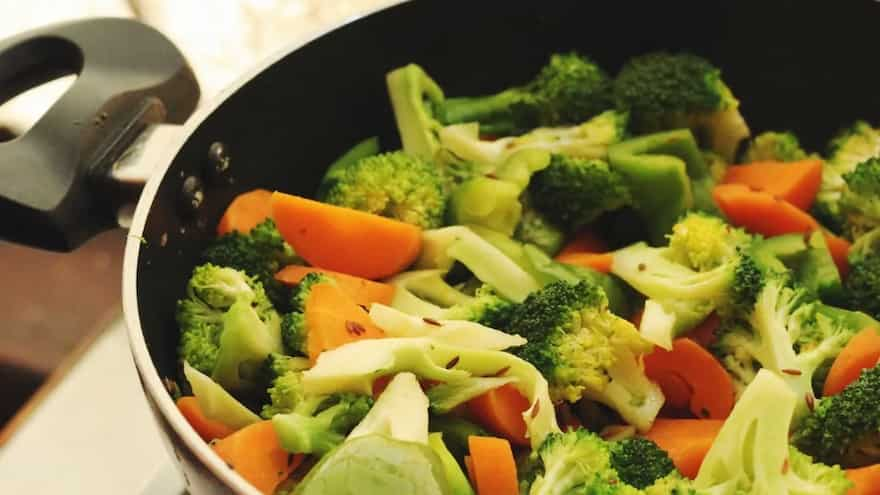 Image credit: Pexels
1. High-Heat Blistering For Smoky Baingan Bharta
Roasting an aubergine directly over an open gas flame often leaves a messy stove and an unevenly charred skin, while baking it in a conventional oven takes far too long for a quick weekday lunch. Dial your air fryer up to 200°C and set the timer for 18 minutes to replicate that authentic smoky char without the hassle. Rub a whole, pierced aubergine with a drop of mustard oil and place it directly into the preheated basket. The intense top-down convection heat blisters and blackens the outer skin rapidly while steaming the interior pulp into a soft, silky mash. Once finished, peel away the charred skin effortlessly and fold the smoky flesh into sautéed onions, tomatoes, and green chillies for a rich, deeply flavoured bharta.
 Image credit: Pexels
Your Kitchen Needs Usha’s Air Fryer, 
2. Moderate Heat And Rapid Airflow For Non-Slimy Bhindi
Okra has a notorious reputation for turning slimy the moment it hits a hot pan with moisture, forcing home cooks to use generous amounts of oil to dry it out. Solve this kitchen friction by setting your appliance to 180°C for 12 minutes, letting continuous hot air evaporate excess mucilage cleanly. Toss dry, sliced bhindi with turmeric, coriander powder, amchur, and a single teaspoon of oil, then spread the pieces in an even layer inside the basket. Shake the tray halfway through the cycle so the circulating heat crisps every edge uniformly. You end up with tender, bright green okra that retains a pleasant snap and mixes effortlessly into a dry masala without a hint of stickiness.
3. Two-Stage Temperature Control For Crisp Aloo Gobhi
Standard stovetop aloo gobhi often suffers from a timing mismatch where the potatoes turn mushy before the cauliflower florets develop any golden colour. Use a two-stage temperature approach to nail both textures simultaneously. Start by tossing cubed potatoes and cauliflower florets in cumin, red chilli powder, and oil, then cook them at 170°C for 10 minutes to cook the dense interiors gently. Increase the dial to 200°C for the final five minutes to deliver a blast of intense surface heat. This final spike caramelises the edges of the cauliflower and crisps the potato corners, giving your classic dry sabzi a wonderful contrast of tender insides and roasted, nutty exteriors.
 Image credit: Pexels
4. Gentle Convection Roasting For Stuffed Karela
Bitter gourd requires slow, even cooking so the outer ridges soften properly without burning the spiced filling tucked inside. Set your temperature dial to a gentle 160°C for 15 minutes to cook stuffed karela evenly from every angle. Scrape and salt the gourds beforehand to remove excess bitterness, pack the cavities with a tangy fennel and gram flour masala, and secure them lightly with thread. The lower, steady heat circulates around the whole vegetable, cooking the thick skin until tender while toasting the spice stuffing inside. This method eliminates the need to constantly turn the gourds in a shallow pan of oil, keeping the filling intact and well-cooked.
5. Short, High-Temperature Bursts For Charred Paneer And Bell Pepper Jalfrezi
Paneer can easily turn rubbery if simmered too long in a wet gravy, while bell peppers lose their vibrant crunch when overcooked on a stove. Rely on a short, high-temperature burst of 195°C for just six minutes to give both ingredients a restaurant-style sear. Toss cubed paneer, chunky capsicum, and onion petals in a light coating of oil, ginger-garlic paste, and kasuri methi before spreading them on the non-stick tray. The rapid heat browns the edges of the cottage cheese into a golden crust while blistering the peppers just enough to bring out their natural sweetness. Fold these seared cubes straight into a quick, tangy tomato reduction right before serving for an elevated weeknight sabzi.
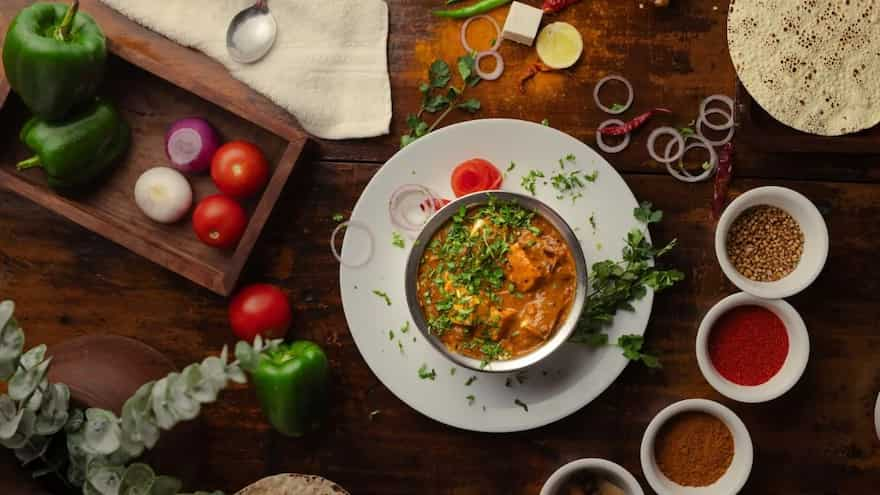 Image credit: Pexels