


 Share
Share

Fermentation did not enter Indian kitchens simply as a health trend, but it has been around since ancient times. Long before probiotics became a buzz, everyday foods were inherently fermented to improve digestion, preserve the ingredients, and make meals easier on the stomach. While idlis and dosas often steal the spotlight just in the name of fermented food, the food culture of India is full of lesser-known fermented staples that are also extremely gut-friendly. These foods do not shout “health”, but they easily fit into day-to-day life—that can be sipped, spooned, or eaten.
Fermentation breaks down tough fibres, boosts absorption of nutrients, and feeds the good gut bacteria, making food feel much lighter and more enjoyable. In a time when digestion issues are very common and ultra-processed foods dominate food habits, returning to these traditional fermented ones feels both useful and comforting. These foods are proof that gut care does not require supplements or a strict diet, but familiar ingredients and a little patience.
Kanji
Kanji is winter’s probiotic hero. Prepared by fermenting black carrots or beetroots with mustard seeds and water, it creates a tangy, peppery bite that helps with digestion. Unlike the packaged probiotic drinks, kanji helps in balancing the gut bacteria and eases bloating. It is light, keeps you hydrated, and is excellent for people who feel heavy after meals. Sip it in between meals or alongside lunch, kanji helps in smoother digestion without feeling like a medicinal drink. It has sharp and citrusy notes, is refreshing, and extremely comforting.
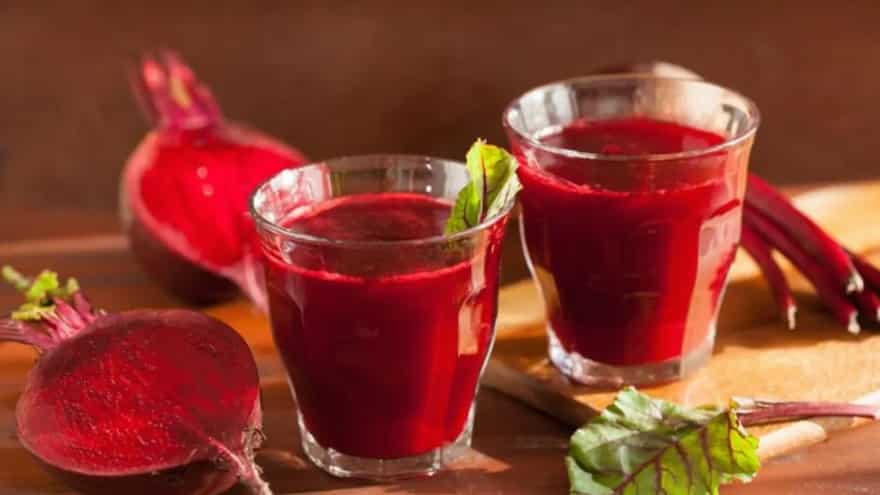
(Credits: Freepik)
Homemade Curd
Fresh, homemade dahi that is set naturally is the best fermented food to have. It has good bacteria that help break down lactose, making digestion easy, while calming the acidity. Unlike store-bought curd, home-set curd has active cultures that support gut lining health. When eaten plain, lightly salted, or blended to make chaas, it helps the stomach heal after spicy or heavy meals. Those who consume curd often have better digestion, feel less heavy after meals, and have more constant energy levels throughout the day.
Panta Bhat
Panta Bhat is a very common cuisine in South India and eastern states. Leftover rice is soaked overnight in water that ferments, changing into a breakfast that is cooling and probiotic-rich. This dish helps in improving nutrient absorption and supports the gut microbes. Pair this panta bhat with curd, onions, or green chillies, and it becomes an extremely satisfying breakfast while being light.
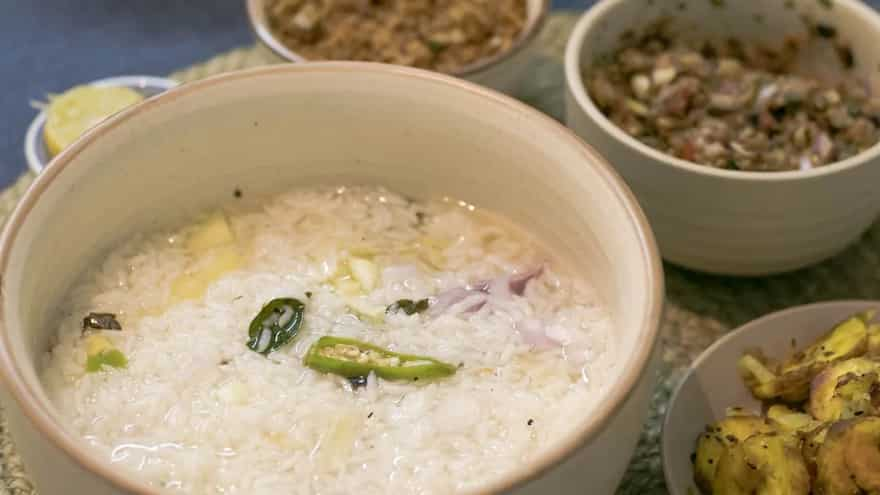
(Credits: Freepik)
Gundruk
Famous in the Himalayan region, gundruk is prepared by fermenting mustard or leafy greens. The process improves the probiotic content while also boosting the flavour. When boiled into soups or cooked into stir-fries, gundruk delivers a pleasant sourness that helps in digestion. The fermenting nature of gudruk helps in easing gut bloating. Light but full of flavour, gundruk shows how fermentation can change tough vegetables into digestion-friendly comfort food, especially in colder regions.
Tepache
A lightly fermented Mexican drink, tepache is prepared from pineapple peels, water, and jaggery. As it ferments, it turns lightly fizzy with a sweet-sour taste that feels refreshing. The natural fermentation supports digestion and balances the gut lining. Unlike the other sugary sodas, tepache is light and hydrating, making it easy on the stomach. Traditionally, it is consumed as a street drink in Mexico. The preparation method is quite sustainable as it uses vegetable waste wisely.

(Credits: Freepik)




