


 Share
Share

Tea is part of everyday life in Indian homes. For many, the mornings do not start until having a sip of a hot cup of chai. That is why news of tea adulteration should be paid more attention than just any other food safety headline. In a recent major crackdown, the Hyderabad Food Adulteration Surveillance Team (H-FAST) busted a large tea adulteration racket, arrested 10 individuals and seized more than 4,500 kg of contaminated tea stock. Reports also state that the seizure also includes around 3,000 kg of adulterated tea powder and 1,500 kg of expired tea stock.
The case has raised an important question for everyday consumers, i.e., how do you know if the tea in your kitchen is actually safe to consume? Adulteration in tea may include the addition of artificial colour, dampened tea leaves, unfamiliar particles or poor-quality fillers mixed into real tea. These additions can affect the overall flavour, smell and, in some cases, also health.
FSSAI-Approved Ways To Check Tea Purity At Home
The Food Safety and Standards Authority of India (FSSAI) has shared simple home inspections that can help consumers detect suspicious tea. Here are some useful FSSAI-approved methods to examine your everyday tea at home before you move to your next brew.
The Wet Blotting Paper Test For Added Colour
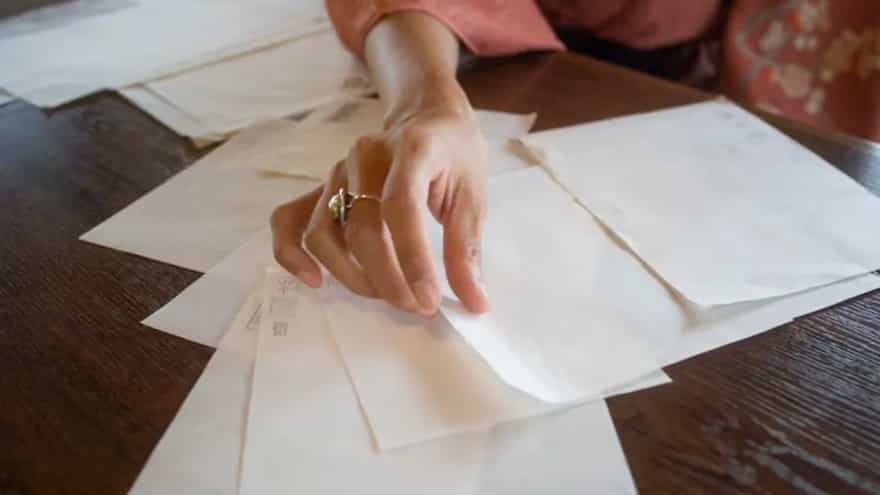
Take a bit of dry tea leaves and place them on moist blotting paper, or a wet white tissue also works. Leave it undisturbed for a few minutes. If the tea releases the colour too soon and makes strong brown or black stains, it may mean that there is added artificial colouring. Pure tea generally does not bleed colour immediately in dry form. This is one of the most straightforward first examinations because real tea releases colour only during brewing, and not simply by absorbing moisture on a paper.
(Image credit: Freepik)
The Cold Water Glass Test
Add a spoonful of tea leaves to a glass of cold water and watch. If the water begins to turn dark too soon without involving any heat process, there are possibilties may have added colour. Pure tea normally infuses slowly and requires hot water for suitable extraction. Cold water should not turn strongly coloured in just seconds. This simple test helps in knowing whether the tea that has been treated to look stronger than it actually is, is often done to mislead buyers.
Check Leaves After Brewing
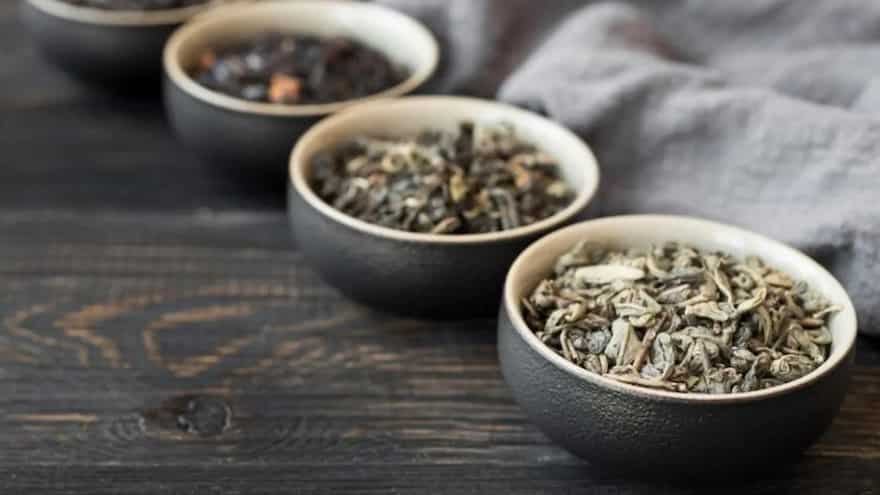
Once you make the tea, strain the leaves and then spread them on a plate. The real tea leaves often unfurl and appear more leaf-like after they are brewed. If you notice extreme dust, gritty particles, fibres or oddly shaped material that does not resemble anything like the tea leaves, the sample may be mixed with artificial fillers. This visual check is reasonable because adulteration is not always about chemicals, but it can also involve waste material that is added to increase bulk and weight.
(Image credit: Freepik)
Rub Between Fingers
Take a small pinch of dry tea and rub it between your fingers. If it leaves an unnatural dark stain or powdery colour on your skin, that can be a sign of added dye or a poor-quality layer. Real tea may feel dry and a bit dusty, but it should not colour your fingertips like a stain. This quick test is convenient when you open a new packet and want an early hint before beginning to use it.
Trust Aroma And Taste Changes
Those who drink tea regularly know what their regular brand smells and tastes like. If the fragrance feels flat, chemical-like, stale or strangely scented, you need to be careful. If brewed tea tastes sharp, metallic, unusually bitter or leaves an odd aftertaste, its bestter to use it. Adulterated tea often fails even the simplest test: it does not taste like good tea. Familiarity with your usual purchase can sometimes be the most useful household detector.
Possible Health Hazards Of Adulterated Tea
Tea is an everyday comfort drink, but when quality is compromised, regular consumption can turn out to be a concern. Depending on what has been mixed into it, adulterated tea may affect the digestion, freshness and general safety in ways you may not notice immediately.
Stomach Discomfort
Poor-quality add-ons or impure material may trigger nausea, make you feel bloated or cause digestive irritation if you have a sensitive stomach.
Exposure To Unapproved Colours
Artificial dyes that are not meant to be used in food may have health risks when consumed on a regular basis over time.
Reduced Quality And Nutrition
The dampened or reused tea leaves may give colour to the tea, but little real flavour or freshness.
Risk From Expired Stock
Old tea that has been stored badly may fail in quality and can create contamination through the moisture or poor handling, impacting its quality in the long term.
Headaches Or Irritation
Strong chemical depositions or poor adulterants may cause headaches, throat irritation or unpleasant reactions.




