


 Share
Share

Summer in India often calls for a glass of something that can instantly reset your internal thermometer and provide relief from the sun. While we have our beloved traditional sherbets and lassis, the world of Korean refreshments offers something uniquely vibrant called Hwachae. This traditional fruit punch has evolved from a royal delicacy into a viral sensation, combining seasonal fruits with chilled liquids to create a dessert that is as much about the visual appeal as it is about the taste. For anyone who enjoys the creamy texture of a fruit cream or the zest of a fresh juice, this Korean staple provides a fascinating bridge between two rich culinary cultures. It is a versatile dish that encourages creativity, allowing you to use whatever is fresh in your local market to create a cooling masterpiece.
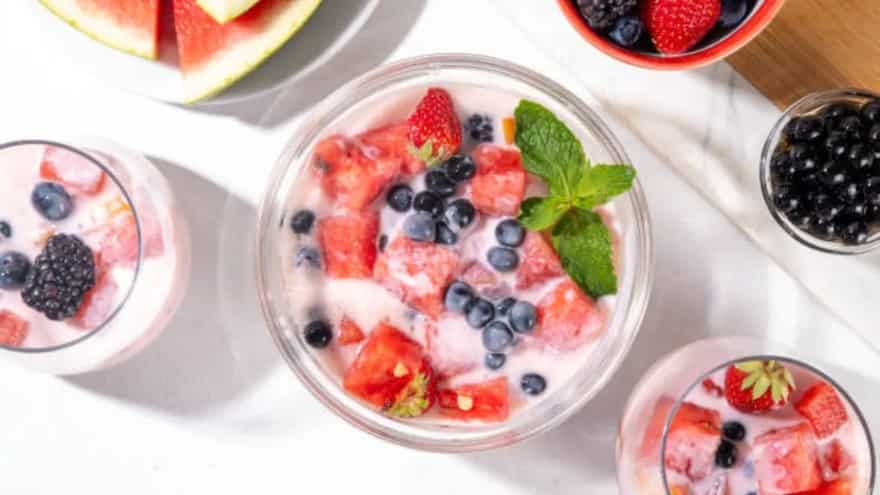
Image credit: Adobe Stock
1. Historical Roots In The Royal Court
Hwachae is far from a modern trend as it traces its origins back centuries to the Joseon Dynasty. In those days it was a sophisticated treat reserved for the royal court and high ranking officials during the humid months. Traditional recipes relied on natural sweeteners like honey and omija berries which were prized for their medicinal properties and cooling effects. It was specifically designed to keep the body balanced while providing a light energy boost during the long day. Today this heritage remains a point of pride for Koreans who view the drink as a symbol of seasonal transition.
2. The Complex Magic Of Omija
The most traditional versions of this punch use a base made from omija berries which are widely known as five flavour berries. These unique fruits are said to contain elements of sweetness, sourness, saltiness, bitterness, and pungency all in one tiny package. When soaked in cold water they produce a bright pink liquid that serves as a complex and refreshing foundation for fresh fruit. This multi dimensional profile is what gives traditional Hwachae its distinctive character and deep cultural significance across the peninsula. For those who enjoy complex flavours it offers a sensory experience that goes far beyond simple processed sugar.
3. Modern Milky And Fizzy Variations
In recent years the recipe has taken a fun and fizzy turn that has captured the attention of younger generations worldwide. Instead of the traditional berry water many people now use a mixture of strawberry milk and lemon lime soda. This combination creates a creamy and bubbly broth that perfectly complements the natural juices of the added seasonal fruit. It has become a staple of casual summer gatherings and social media videos due to its vibrant colours and satisfying textures. This modern twist has made the drink more accessible and popular in households far beyond the borders of Korea.
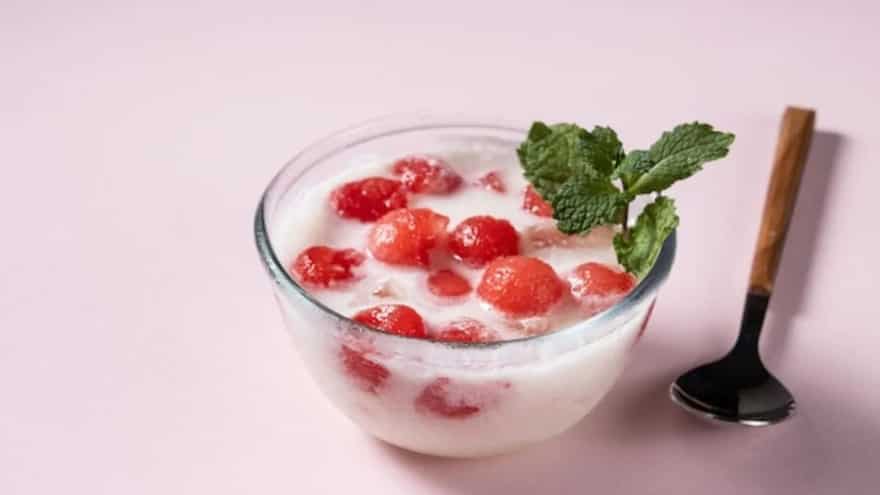
Image credit: Freepik
4. Watermelon As The Seasonal Star
Subak Hwachae or watermelon punch is arguably the most famous variety and is considered a mandatory summer essential in Korea. To make it truly authentic the flesh is scooped out of a large watermelon and the hollow shell is used as a bowl. This not only looks spectacular for guests but also keeps the fruit and liquid perfectly chilled for a longer period. The natural sweetness of the watermelon juice mingles with the milk or soda to create a refreshing pink elixir. It is a communal dish that is meant to be placed in the centre of the table for everyone to share.
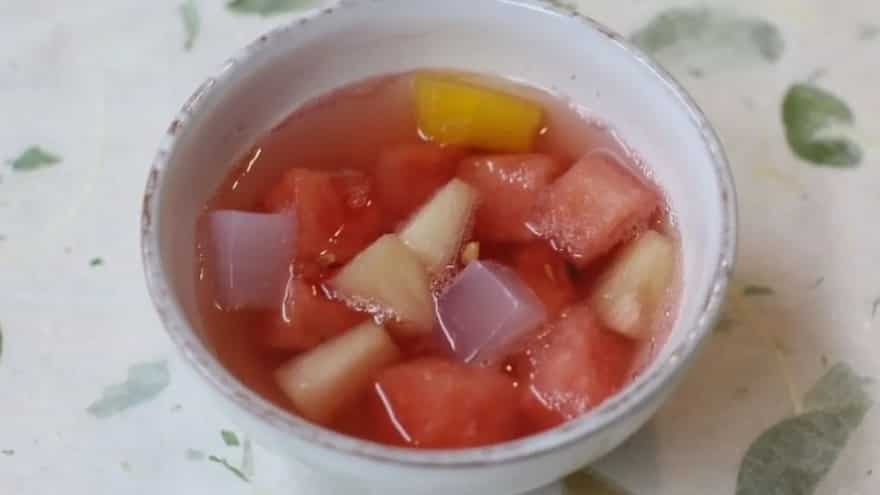
Image credit: Wikipedia
5. A Symphony Of Texture And Variety
One of the key secrets to a great Hwachae is the variety of textures that are packed into every single serving bowl. While soft fruits like bananas or peaches provide creaminess, crunchy elements like apples or pears add a very satisfying bite. Many people also include small chewy components like jelly pieces or cooked tapioca pearls to keep the eating experience interesting. The goal is to ensure that every spoonful offers a slightly different combination of flavours and a unique mouthfeel. This focus on variety is what makes the drink feel like a complete and highly satisfying afternoon snack.
6. Natural Appeal To Indian Palates
There is a striking similarity between Korean fruit traditions and the fruit based desserts that are popular across the Indian subcontinent. Those who grew up enjoying chilled fruit cream or seasonal fruit salads will find the concept of Hwachae very familiar. The use of milk as a base resonates with the Indian love for dairy based treats like lassi or chilled kulfi. Since the recipe is so flexible it is easy to incorporate local favourites like mangoes or pomegranates into the mix. This makes it a perfect cross cultural treat for a warm afternoon in any busy Indian city.
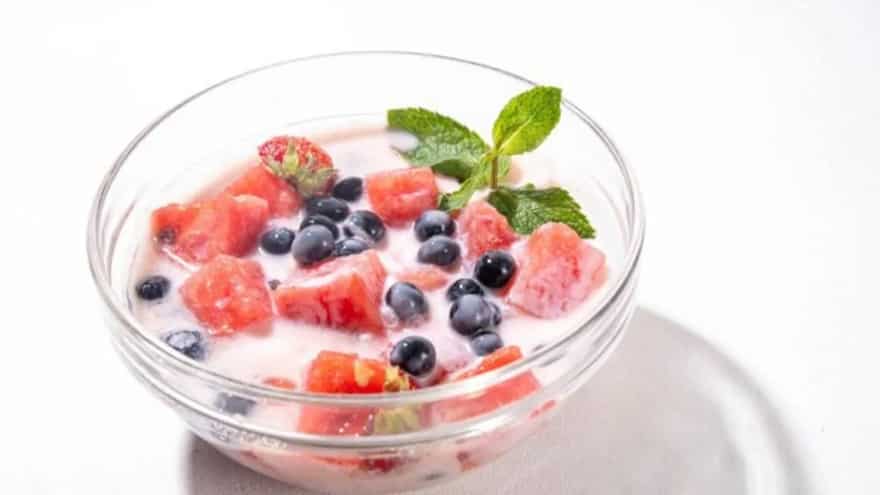
Image credit: Adobe Stock
7. The Importance Of Visual Artistry
The preparation of this drink is treated like a form of visual art where colour coordination is highly valued by the maker. Fruits are often cut into uniform shapes or even delicate flower designs to make the presentation as beautiful as possible. Using a mixture of red, yellow, and green fruits against a pale milky background creates a stunning aesthetic for any table. It is a dish that is intended to be admired before it is consumed, making it a favourite for festive occasions. This attention to detail reflects the broader Korean emphasis on the importance of food presentation and visual harmony.
8. Hydration And Nutritional Health
Beyond being a delicious treat this fruit punch is an excellent way to stay hydrated during periods of extreme atmospheric heat. Since watermelon and other summer fruits have high water content they help to replenish fluids lost through natural perspiration. By using honey or natural fruit juices as sweeteners one can create a version that is relatively low in calories. It provides a massive dose of essential vitamins and minerals that can help to boost the immune system naturally. It is a much better alternative to processed sugary snacks when you need a quick and healthy refresh.
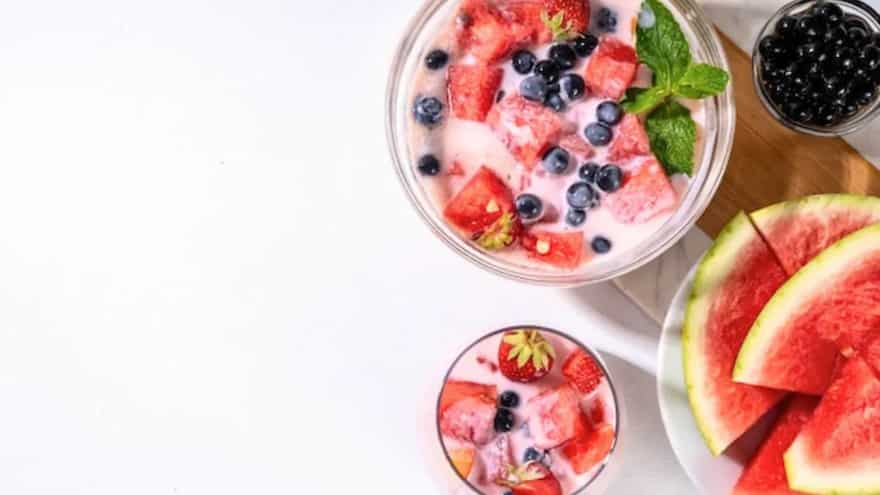
Image credit: Adobe Stock
9. Ceremonial And Social Significance
In historical contexts Hwachae was often served as part of specific seasonal festivals and formal ceremonial gatherings in the palace. It was used to welcome guests and show hospitality during the long and often exhausting summer months of the year. Even today the act of making and sharing a large bowl of fruit punch is considered a gesture of friendship. It brings people together and encourages them to slow down and enjoy the simple pleasures of the current season. This communal aspect is a vital part of the cultural identity that surrounds the beverage in modern Korea.
10. Easy Home Preparation For Everyone
One of the best things about this drink is how easy it is to assemble in your own kitchen without any cooking. All you need is a selection of your favourite chilled fruits and a cold liquid base of your personal choice. You can experiment with different ratios of soda and milk to find the level of creaminess that suits you best. It is a forgiving recipe that does not require precise measurements or professional culinary skills to master perfectly. This simplicity has helped it become a global favourite for quick summer desserts and casual garden parties everywhere.




